
DOJ Deploys 1,000 Monitors Nationwide Amid Legal Battles and Local Concerns
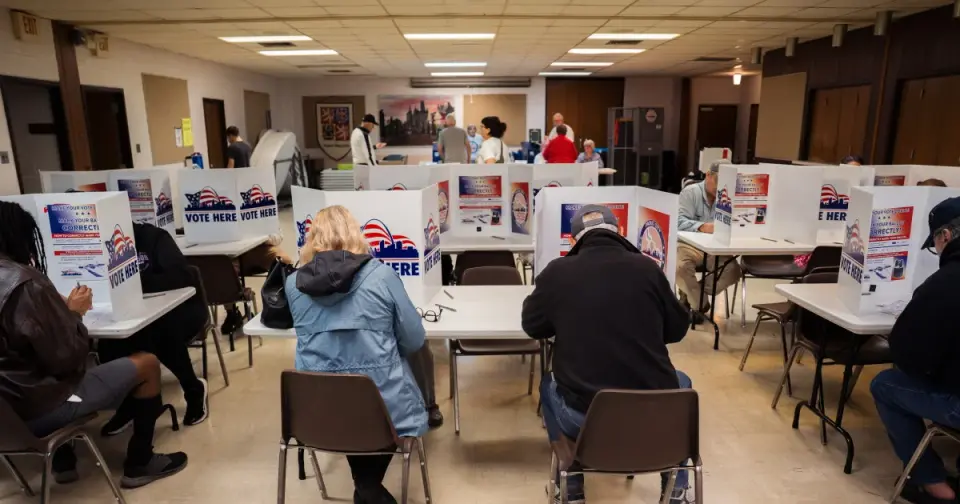
The U.S. Department of Justice has deployed approximately 1,000 election monitors across all 50 states for the November 3, 2026 midterm elections, describing it as the largest such effort in its history. While the DOJ frames the initiative as a compliance measure for federal voting laws, critics and local officials in key jurisdictions like California and Utah view the move as an intimidation tactic. The deployment coincides with intense legal battles over ballot counting and federal interference, with monitors observed in St. Louis, Los Angeles, and Salt Lake County.
Key points
- The DOJ deployed roughly 1,000 monitors to all 50 states, citing compliance with the Voting Rights Act, Americans with Disabilities Act, and other federal statutes.
- In St. Louis, monitors were required to stay at least 50 feet from polling places and identify themselves as federal representatives.
- Los Angeles faced a surge of monitors amid a 9th Circuit Court of Appeals ruling allowing the federal government to threaten election workers over contested ballots.
- In Salt Lake County, Utah, 11 monitors visited all 40 voting centers, with one ineligible to vote in the state, prompting concerns about voter intimidation.
- Critics, including California Attorney General Rob Bonta and legal experts, labeled the deployment as partisan and intended to suppress voter turnout.
Background
This deployment follows a period of heightened federal-state tensions over election integrity, including previous DOJ actions in 2022 and ongoing disputes over ballot access. The current effort is part of a broader pattern of federal involvement in state-administered elections, which has drawn criticism from civil rights groups and local officials.
How outlets are covering it
The DOJ, led by Assistant Attorney General Harmeet K. Dhillon, emphasizes transparency and compliance with federal laws, stating the effort is 'nondiscriminatory.' In contrast, the Los Angeles Times and California officials, including Attorney General Rob Bonta, view the deployment as an intimidation tactic tied to partisan goals, especially amid legal battles over 20,000 contested ballots. The Salt Lake Tribune reports that while monitors in Utah followed state laws, their presence was perceived as an attempt to 'have their presence felt,' raising concerns about voter comfort. St. Louis Public Radio notes that local election officials were alerted to the monitors' presence and emphasized that voter engagement with them is voluntary.
Why it matters
The deployment of federal election monitors on a national scale raises significant questions about the balance of power between federal and state election authorities. It could influence voter behavior and perceptions of election integrity, particularly in jurisdictions with existing legal disputes or high-profile races. The move also highlights ongoing tensions over the interpretation and enforcement of federal voting rights laws.
What to watch
The impact of the monitoring effort will be assessed in the days following the election, with potential legal challenges if any violations are alleged. Local election officials will likely report on the monitors' conduct, and the DOJ may face further scrutiny from civil rights groups and state attorneys general. The outcome of the midterms, particularly in contested jurisdictions like California, will be closely watched for any signs of federal interference.
- Trump administration is monitoring polling places in St. Louis, St. Clair and Madison counties STLPR
- Feds deploy election monitors to L.A. as 9th Circuit sides with Trump in ballot dispute Los Angeles Times
- Federal DOJ is sending election observers to Wisconsin. State election officials say that's nothing unusual. WPR
- Poll watchers from several organizations and the Department of Justice on the ground in Maine Portland Press Herald - Maine Sunday Telegram
- ‘Weren’t being wallflowers’: Here’s what a Utah poll worker saw when DOJ election monitors stopped by his polling location The Salt Lake Tribune
Want the full story? Read the original reporting
Read on STLPR