
DOJ Mandates 'Super Intelligence' Terminology in Court Filings
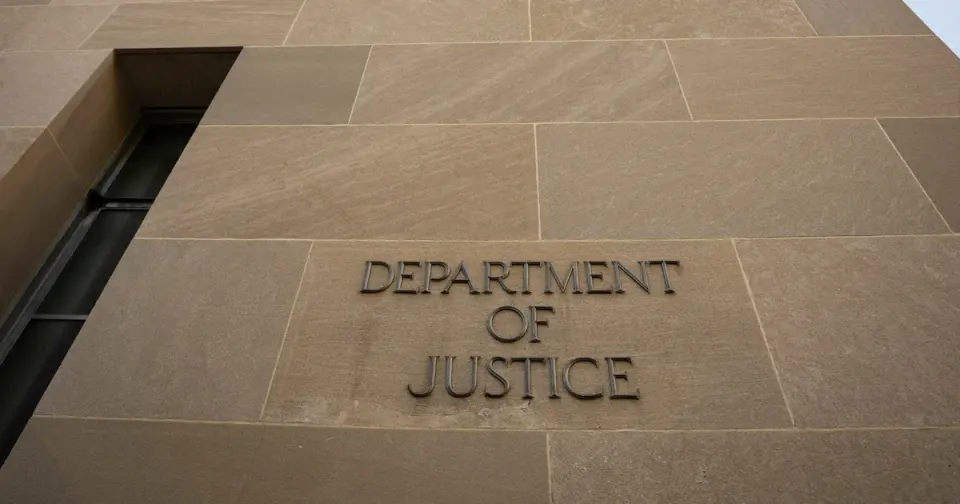
The Department of Justice has directed staff to replace the term 'artificial intelligence' with 'super intelligence' in official communications, including court filings, per a new executive order.
Key points
- Acting Deputy Attorney General Trent McCotter issued a memo requiring DOJ employees to use 'super intelligence' in government duties and legal filings.
- The directive stems from a September 29 executive order signed by President Trump, which mandates this terminology across all federal agencies.
- The policy aims to counter negative public perceptions by emphasizing the 'transformative capabilities' of American technology.
- The order applies to all federal departments, not just the Justice Department, and is part of a broader shift toward voluntary industry audits.
Background
This move follows the establishment of the 'Super Intelligence Force' task force in early October and Trump's rejection of traditional AI regulatory frameworks in favor of self-regulation. It also contrasts with earlier legal challenges regarding AI hallucinations in court filings, such as those seen in Indiana, where judges have tightened oversight of AI-generated content.
How outlets are covering it
Bloomberg Law and NBC News confirm the mandatory nature of the terminology change in DOJ court filings, citing internal memos. CNBC highlights the broader context of the September 29 White House lunch, noting that while major AI firms signed safety accords, Apple was absent, reflecting a divide in industry engagement. The administration frames the rebrand as a positive reflection of innovation, whereas critics in the tech sector have previously clashed with this terminology due to safety concerns.
Why it matters
This directive standardizes federal language on a contentious technology, potentially influencing legal precedents and public discourse. It signals a shift from technical precision to political branding in government communications, which could impact how AI-related cases are framed in courts.
What to watch
Federal agencies will likely audit existing documents for compliance with the new terminology. Legal professionals may face increased scrutiny regarding the use of AI in filings, especially as the 'Super Intelligence Force' coordinates federal engagement with tech companies.
- DOJ Staff Told to Refer to AI as ‘Super Intelligence’ in Court Bloomberg Law News
- They told the world AI was dangerous. Now Trump’s allies are coming for them. Yahoo
- US Justice Dept tells staff to call AI 'super intelligence' under Trump order Reuters
- Justice Department tells employees to adopt Trump’s AI rebrand NBC News
- Trump’s AI lunch included every major tech company. Except Apple CNBC
Want the full story? Read the original reporting
Read on Bloomberg Law News