
DOJ Monitors Deployed to New Haven and Charleston Amid National Election Watch
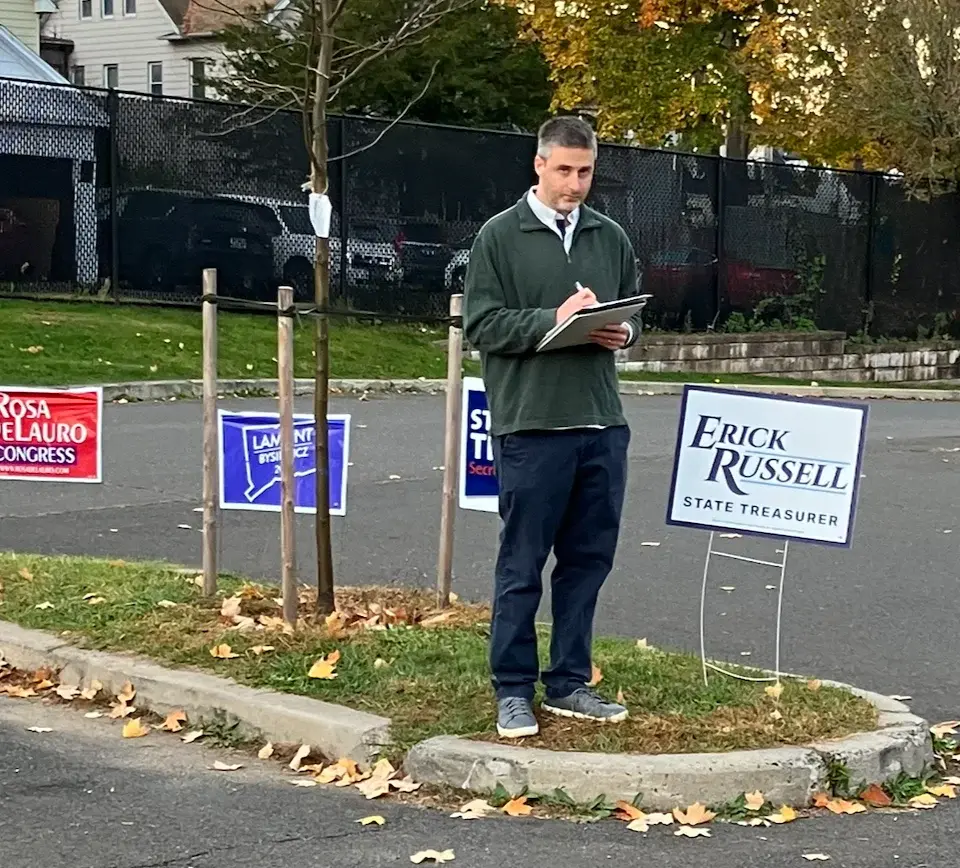
The U.S. Department of Justice has deployed approximately 1,000 election monitors across all 50 states for the November 3 midterms, describing it as the largest such effort in history. In Connecticut, New Haven is the only municipality receiving monitors, with Assistant U.S. Attorney Zachary Denver observed at multiple polling places in Westville and the Annex. In South Carolina, Charleston is the sole jurisdiction targeted. While the DOJ frames the operation as routine compliance with the Voting Rights Act and Help America Vote Act, local officials and critics in New Haven view the presence as intimidating and politically motivated, particularly given the city’s recent legal battles with the administration.
Key points
- DOJ deployed roughly 1,000 monitors nationwide, calling it the largest monitoring effort in its history.
- New Haven is the only Connecticut municipality targeted; monitors were seen at Davis Street, Westville, Annex, and Fair Haven Heights polling places.
- Assistant U.S. Attorney Zachary Denver, identified as the team lead, interviewed voters about accessibility and signage but did not enter polling places.
- Charleston, South Carolina, is the only jurisdiction in that state receiving monitors, raising questions about selection criteria.
- Local officials in New Haven banned monitors from entering polling places, citing state laws and concerns over voter intimidation.
- DOJ spokesperson Kiersten Pels stated monitors will only observe and report potential violations, with no interference in the voting process.
Background
This deployment follows a contentious period in late October and early November 2026, where the DOJ initially proposed using federal law enforcement agents from the Bureau of Prisons, DEA, and ATF as poll monitors. A federal court order later barred sworn law enforcement officers from serving in this role, prompting the DOJ to reverse its stance. Civil rights groups, including the NAACP, had filed emergency motions to block the use of federal agents, arguing it constituted voter intimidation. The current deployment of non-law-enforcement monitors is part of a broader national effort to ensure compliance with federal voting rights statutes, particularly regarding language assistance and accessibility, amid heightened tensions over election integrity.
How outlets are covering it
The DOJ, through spokesperson Kiersten Pels and Assistant Attorney General Harmeet K. Dhillon, emphasizes that the monitoring effort is routine, nondiscriminatory, and focused on ensuring compliance with the Voting Rights Act and Help America Vote Act. They assert that monitors will only observe and report potential violations, with no interference in the voting process. In contrast, local officials in New Haven, including Mayor Justin Elicker and Democratic Ward Co-Chair Laura Cahn, view the presence of monitors as intimidating and politically motivated, particularly given the city’s recent legal battles with the Trump administration. Critics argue that singling out New Haven, a heavily Democratic city, is an attempt to suppress turnout or cast doubt on election integrity. In South Carolina, the selection of Charleston as the sole jurisdiction for monitoring has raised questions about the criteria used, with some suggesting it may be related to the city’s status as a battleground or its demographic composition. The New Haven Independent reported that Denver’s presence was 'quiet and not obtrusive,' but still sent a 'chilling message' that voters were being watched by the federal government.
Why it matters
The deployment of federal election monitors in New Haven and Charleston highlights ongoing tensions between the federal government and local officials over election integrity and voting rights. The DOJ’s claim that the effort is routine and compliance-focused contrasts with local concerns about voter intimidation and political motivation. The selection of specific jurisdictions, such as New Haven and Charleston, raises questions about the criteria used and whether the deployment is truly nondiscriminatory. The outcome of this monitoring effort could influence public trust in the election process and set precedents for future federal involvement in state-run elections.
What to watch
The DOJ will review any reports from monitors after Election Day and act where appropriate. Local officials in New Haven will continue to monitor the situation and may take further action if they perceive any violations of state laws or voter intimidation. The public is encouraged to report any disruptions or issues at polling places to local election officials or the DOJ’s election issues hotline. The outcome of the midterms and the integrity of the election process will be closely watched, with potential legal challenges if any violations are reported.
- DOJ Monitors Hit Westville, Annex New Haven Independent
- Election Day 2026 live updates: DOJ election monitors to be dispatched across all 50 states ABC News - Breaking News, Latest News and Videos
- Federal election monitors will stop at every Salt Lake County polling location. Here’s what we know. The Salt Lake Tribune
- Trump administration is monitoring polling places in St. Louis, St. Clair and Madison Counties STLPR
- US Department of Justice announces plans to monitor Charleston elections Live 5 News
Want the full story? Read the original reporting
Read on New Haven Independent