
Early Vote Surges Past 43 Million, With Democrats and Hispanic Voters Leading in Key Battlegrounds
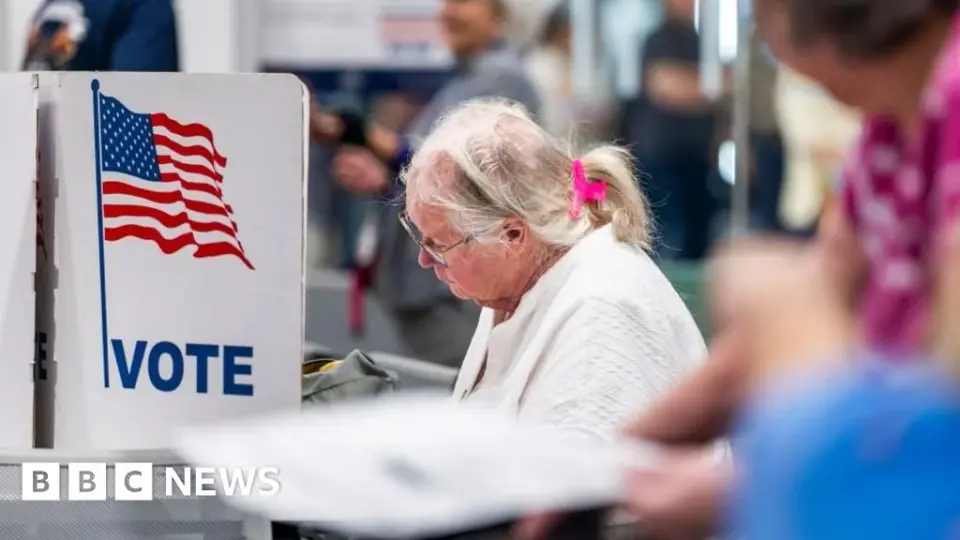
With less than a week until the US midterm elections, over 43 million Americans have cast early ballots, a rate significantly higher than previous cycles. Texas has surpassed its 2022 early vote totals by 1.75 million, while Hispanic and unaffiliated voters show record participation. Analysts note a shift toward in-person voting, potentially driven by concerns over mail ballot security, though final outcomes remain uncertain.
Key points
- Over 43 million early ballots have been cast, with 4-5 million added daily, outpacing 2022 and potentially rivaling the 2018 record.
- Texas has recorded over 5.8 million early votes, surpassing 2022 numbers by 1.75 million, a critical factor for Senate control.
- Hispanic voters have seen a massive surge, with 3.8 million casting ballots nationwide, a 60% increase over the same period in 2022.
- Democrats lead early voting in party-registration states, with 44% of ballots attributed to them versus 31% for Republicans.
- Voters are increasingly choosing in-person early voting over mail, possibly due to concerns about postal service disruptions or ballot disqualification.
Background
The 2026 midterms determine control of Congress for the next two years. Previous tracking showed over 41 million ballots cast by October 29, with key battlegrounds including Texas, Georgia, and Michigan. President Trump recently voted in person in Florida, contrasting with his previous mail voting habits, and has campaigned in Texas to mobilize Republican base voters.
How outlets are covering it
BBC and University of Florida data emphasize the overall surge and demographic shifts, particularly among Hispanic and unaffiliated voters. The Washington Post highlights specific state increases, noting a 213% rise in Hispanic early votes in Minnesota. ABC News focuses on less-frequent voters, suggesting Democrats are gaining enthusiasm among those who rarely vote, especially in Texas and Georgia. Axios notes a split in analysis: Michael McDonald sees a 'referendum on Trump' driving unaffiliated turnout, while Charles Stewart cautions that high numbers may just reflect a shift from Election Day voting rather than increased overall engagement. Republicans, via the RNC, dismiss early vote analysis as premature, asserting Trump's leadership is motivating their base.
Why it matters
Early voting trends indicate potential shifts in congressional control, particularly in the Senate, where Texas is a pivotal battleground. High participation among Hispanic and unaffiliated voters could influence close races in states like Georgia and Michigan, affecting policy directions for the next two years.
What to watch
Early voting will taper off as states cut off options in the days before November 3. Final results will depend on Election Day turnout, particularly among habitual voters who have not yet cast ballots. Campaigns will focus on mobilizing less-enthusiastic supporters in the final week.
- Early voting skyrockets with 42m midterm ballots cast so far BBC
- More than 39 million Americans have voted early, including many Hispanic voters The Washington Post
- What Early Voting Data Is Showing About the Midterm Elections Time Magazine
- Democratic enthusiasm seen among less-frequent voters in key states of Texas and Georgia, analysis shows ABC News - Breaking News, Latest News and Videos
- Midterm voters show up early — and in droves Axios
Want the full story? Read the original reporting
Read on BBC