
El-Sayed’s Historic Michigan Win Cements Democratic Senate Control
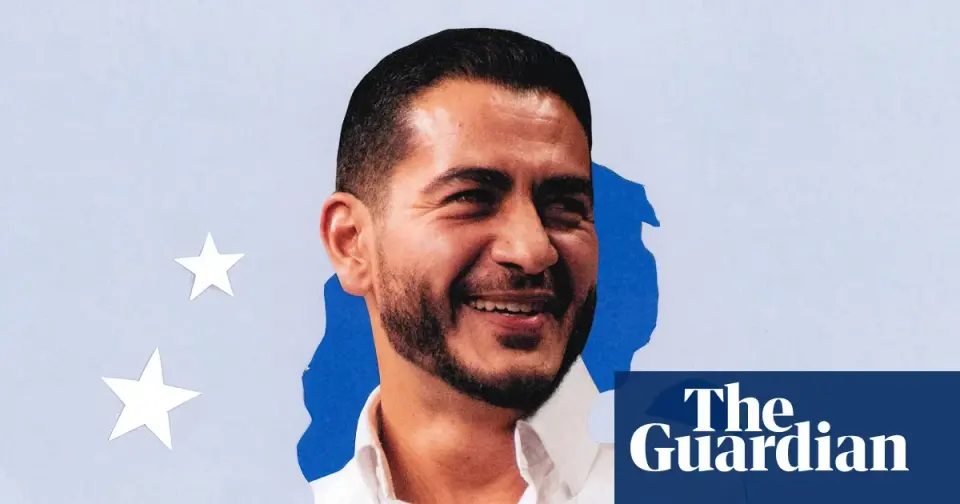
Abdul El-Sayed, a progressive Democrat and former health director, has won the Michigan US Senate race, becoming the first Muslim American to serve in the chamber. His victory over Republican Mike Rogers secures a decisive Democratic majority in the Senate, following unexpected wins in Texas, Kansas, and South Carolina. The race, marked by intense Islamophobic attacks from President Trump and a late endorsement of Rogers by El-Sayed’s primary rival Haley Stevens, was viewed as a critical test of progressive viability in swing states. El-Sayed’s platform, which included universal healthcare and opposition to US military aid for Israel, resonated with high turnout in Detroit and college towns, despite significant spending by pro-Israel groups against him.
Key points
- Abdul El-Sayed, 42, defeated Republican Mike Rogers to become the first Muslim US senator, securing a key seat for Democrats in the 2026 midterms.
- The victory contributes to a broader Democratic wave, including shock wins in Texas, Kansas, and South Carolina, ensuring party control of the Senate.
- El-Sayed’s campaign faced severe Islamophobic attacks, including claims by President Trump that he was a 'jihadist' and would need a metal detector to enter the Senate.
- Haley Stevens, El-Sayed’s primary opponent, endorsed Rogers just days before the election, a move Democratic leadership called a 'despicable betrayal.'
- El-Sayed’s platform included Medicare for All, a wealth tax, and an end to US military aid for Israel, which drew criticism from pro-Israel lobbies and some Jewish voters.
- Turnout in Michigan exceeded 4.8 million, a midterm record, with El-Sayed winning 14 counties and outperforming Kamala Harris’s 2024 results in key areas like Wayne County and Detroit.
Background
The Michigan Senate race was seen as a bellwether for progressive influence in swing states, following El-Sayed’s upset victory over establishment favorite Haley Stevens in the August primary. Earlier in October, El-Sayed had proposed an 'AI Under Control' platform, calling for a pause in superintelligent AI development, while AOC campaigned in the state to support his candidacy. The race also followed a period of rising Islamophobia nationwide, with El-Sayed’s faith and name becoming central targets for his opponents.
How outlets are covering it
The Guardian and BBC emphasized the historic nature of El-Sayed’s victory and the Islamophobic attacks he faced, with the Guardian noting Trump’s specific slurs and the BBC highlighting emotional reactions from Muslim and Arab American communities. MS NOW focused on the strategic implications, noting that El-Sayed’s win was essential for Democrats to retake the Senate and that the race tested the viability of progressive politics in a state Trump won in 2024. Bridge Michigan provided granular data on turnout and county-level shifts, noting that all 83 Michigan counties shifted toward Democrats compared to 2024, and that El-Sayed outperformed Harris in Detroit and college towns. The sources diverge on the impact of Stevens’ endorsement: the BBC and Guardian frame it as a betrayal that confused voters, while MS NOW suggests it may have had limited effect given the national anti-Trump sentiment. All sources agree that El-Sayed’s platform, particularly on Israel and healthcare, polarized voters but ultimately resonated with a broad coalition in Michigan.
Why it matters
El-Sayed’s victory marks a historic first for Muslim representation in the US Senate and signals a significant shift in the political landscape, with Democrats gaining control of the Senate despite a Republican president. The win validates the strategy of progressive insurgents in swing states and highlights the growing influence of issues like healthcare and foreign policy on voter behavior. It also underscores the impact of Islamophobic rhetoric in US politics, as El-Sayed’s faith was a central target for his opponents. The result may influence future Democratic strategies in competitive states and could shape the party’s approach to issues like Israel and social safety nets in the coming years.
What to watch
El-Sayed will be sworn into the Senate in January 2026, where he is expected to push for his platform, including Medicare for All and an end to US military aid for Israel. His victory may embolden other progressive candidates in future elections, while Republicans may reassess their strategy in swing states. The Democratic control of the Senate could lead to legislative battles over healthcare, immigration, and foreign policy, with El-Sayed’s presence adding a new dimension to debates on Islam and Middle East policy. The impact of Stevens’ endorsement on future Democratic primaries may also be scrutinized, as the party grapples with internal divisions over progressive vs. establishment candidates.
- Progressive Abdul El-Sayed wins Michigan Senate race to become first Muslim US senator The Guardian
- Left-wing Democrat Abdul El-Sayed wins in Michigan to become first Muslim senator BBC
- El-Sayed defeats Rogers, holding a key Senate seat for Democrats MS NOW
- How Abdul El-Sayed, Jocelyn Benson won Michigan: Big turnout, Democratic shifts Bridge Michigan
- With Michigan Victory, Abdul El-Sayed Becomes Nation's First Muslim Senator Vanity Fair
Want the full story? Read the original reporting
Read on The Guardian