
FAA Ground Stop Sparks Funding Fight as Trump Administration Demands $50B
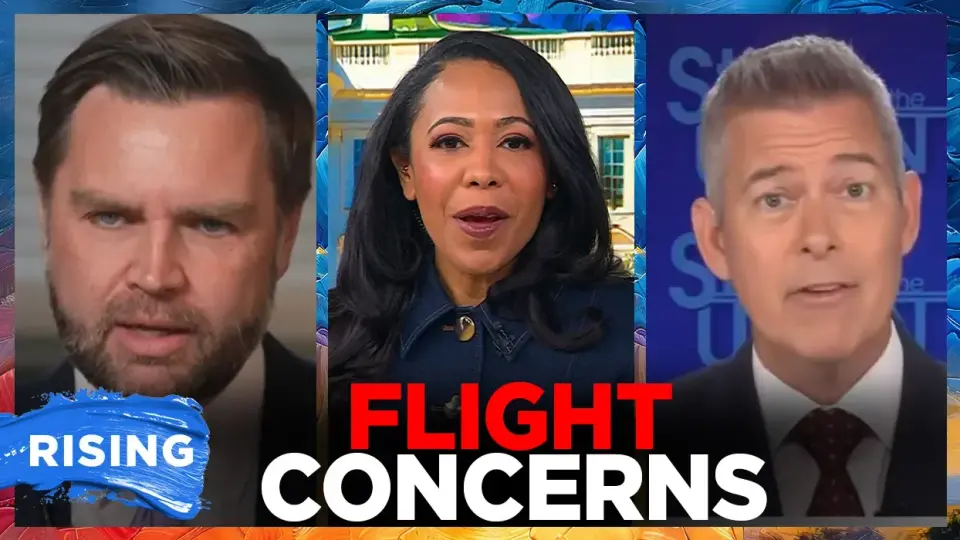
A nationwide flight ground stop on November 13, 2026, triggered by FAA system instability, has intensified a political dispute over air traffic control modernization. While the Trump administration blames aging technology and insufficient funding, Democrats argue that $12.5 billion in recent appropriations was mismanaged. Transportation Secretary Sean Duffy has escalated his funding request to $50 billion, but Senate Republicans have blocked immediate bailout measures, citing unspent funds.
Key points
- The FAA reported instability in 17 of its 22 Air Route Traffic Control Centers over the weekend, leading to a ground stop that canceled over 12,400 flights.
- Transportation Secretary Sean Duffy raised the administration’s funding request from $30.1 billion to $50 billion, claiming the existing $12.5 billion appropriation is committed to legacy projects and cannot cover new network architecture.
- Democrats, including Massachusetts Rep.-elect Dan Koh, argue the administration has failed to utilize existing infrastructure funds, noting that the Biden administration provided over $1 trillion in infrastructure money that was largely reversed.
- Senate Republicans rejected immediate funding via reconciliation, arguing that prior appropriations remain unspent, while the FAA investigates a potential contractor error during a fiber optic upgrade.
- President Trump remained largely silent during the crisis, later blaming the Biden administration and stating he does not take responsibility, while officials like Mullin and Duffy focused on praising the administration’s leadership.
Background
The current crisis follows a period of significant infrastructure investment, including a $12.5 billion appropriation in July 2025 for FAA improvements, specifically targeting telecommunications modernization and radar replacement. The administration had previously requested approximately $30.1 billion for broader aviation needs. This dispute occurs against a backdrop of recent midterm election losses for the GOP and ongoing debates over the reversal of Biden-era infrastructure policies.
How outlets are covering it
The Hill and Politico emphasize the perceived lack of transparency and accountability from the Trump administration, with Lindsey Granger and John F. Harris criticizing the vague explanations and blame-casting by officials like Duffy and Mullin. AP News highlights the practical impact on travelers, noting that the Trump administration’s rollback of Biden-era compensation rules left passengers without financial recourse for the ground stop. Mashable focuses on the political optics, mocking Trump’s silence and focus on vanity projects like the White House ballroom during a national crisis. While all sources agree on the severity of the disruption, they differ in their assessment of the administration’s intent, with some viewing it as a failure of management and others as a deliberate deflection of responsibility.
Why it matters
The FAA ground stop exposes deep divisions over infrastructure funding and management in the US. The dispute over the $50 billion request and the unspent $12.5 billion appropriation highlights the political risks of infrastructure modernization, potentially delaying critical upgrades to air traffic control systems. The rollback of passenger compensation rules also raises concerns about consumer protections in the event of future disruptions, leaving travelers vulnerable to financial losses without clear recourse.
What to watch
Congress is expected to debate the $50 billion funding request, with Democrats demanding a detailed accounting of the unspent $12.5 billion appropriation. The FAA is investigating the cause of the ground stop, with a focus on a potential contractor error during a fiber optic upgrade. The administration is likely to continue pushing for additional funding, while Republicans may resist immediate bailouts, citing unspent funds. The outcome of this dispute could influence future infrastructure spending and the pace of air traffic control modernization in the US.
- Vance, Duffy give absurd responses to FAA outage The Hill
- Are Trump Officials Living in an Alternate Reality? Politico
- Trump clipped Biden's payouts for stranded travelers. It may not have helped during the ground stop AP News
- Trump on FAA outage: ‘I don’t take any responsibility’ The Hill
- Seth Meyers responds to Trump's 'I don’t take any responsibility' stance on FAA ground stop Mashable
Want the full story? Read the original reporting
Read on The Hill