
Fact-checkers dispute Trump’s Asia trip claims on gas, crime, and trade
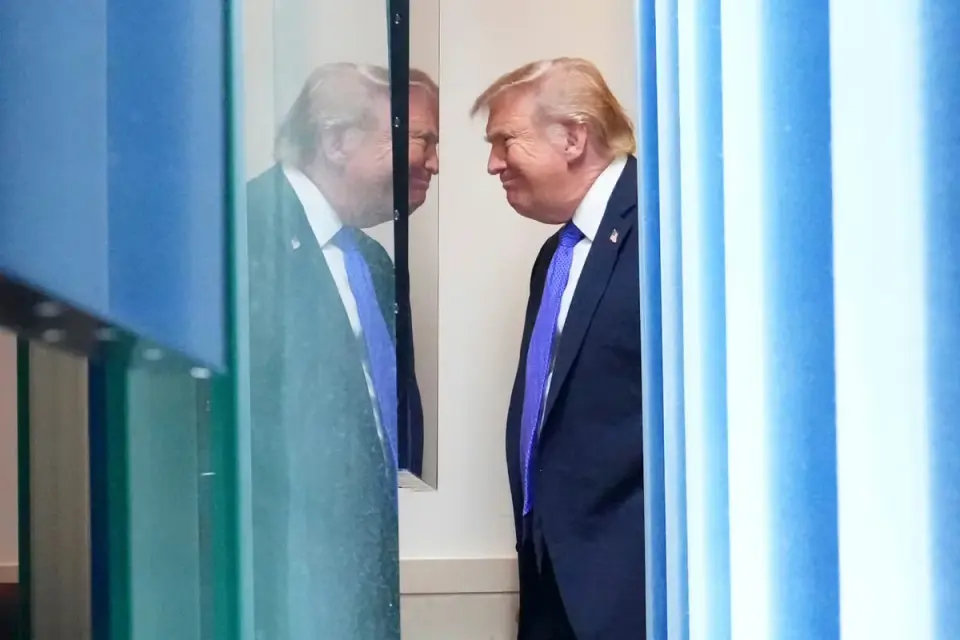
President Trump held a 90-minute news conference to promote his Asia trip, but fact-checkers found multiple false or misleading claims regarding gas prices, manufacturing records, and crime statistics. While he touted trade deals with Thailand and the Philippines, critics noted his defensive tone following the GOP’s midterm losses and his continued praise for authoritarian leaders.
Key points
- Trump claimed gas prices dropped 60 cents, but AAA data shows Iowa’s average was $2.63 before the Iran war, not the $1.85 he cited.
- He labeled 10 months of manufacturing growth a record, ignoring a 35-month streak from 2016-2019; current growth is largely driven by AI data center demand.
- Trump cited a $25 trillion wealth creation figure, which the White House’s own website lists as $11.4 trillion, including some Biden-era commitments.
- He claimed murder rates hit a 125-year low, but FBI data shows the rate is tied with 1955-1956, and experts attribute the decline to trends since 2022.
- Trump defended the Iran war and suggested bipartisan cooperation on healthcare, while VP Vance and Secretary Rubio attended the briefing.
Background
This briefing follows earlier coverage of Trump’s Asia trip, where he promoted diplomatic successes despite fact-checker rebukes. Previous reports noted his defensive posture after the GOP lost the midterms and internal tensions over the Iran conflict. The current news conference occurred in the lame-duck period, with Trump attempting to frame his second term as a success despite low approval ratings.
How outlets are covering it
The Independent and AP News focus on specific factual errors in Trump’s economic and crime claims, citing AAA and FBI data to refute his assertions. The New York Times emphasizes the diplomatic context, noting that the trilateral meeting with Xi and Putin produced no breakthroughs on nuclear control or Ukraine. The Hill highlights political dynamics, including Trump’s defensive tone after the GOP midterm defeat, tensions with VP Vance over the Iran war, and the presence of new Chief of Staff Stephen Miller. All sources agree that Trump’s claims were misleading, but they differ in emphasis: fact-checkers prioritize data accuracy, while political analysts focus on the implications for his lame-duck period and 2028 ambitions.
Why it matters
The news conference reveals Trump’s strategy to frame his second term as a success despite significant political setbacks, including the GOP’s midterm losses and the ongoing Iran war. The fact-checking disputes highlight the gap between his narrative and economic realities, which could influence public perception and future policy debates. The internal tensions with Vance and the presence of Miller suggest ongoing power struggles within the administration, potentially affecting the lame-duck period and 2028 presidential ambitions.
What to watch
Trump may continue to promote his Asia trip achievements in the lame-duck period, potentially facing further fact-checking disputes. The internal tensions with Vance over the Iran war could escalate, especially if Vance pursues 2028 ambitions. The suggested bipartisan cooperation on healthcare and other issues may face resistance from Democrats, given the GOP’s midterm losses and Trump’s confrontational approach. The ongoing Iran war and its impact on gas prices will likely remain a key issue in the coming months.
- All the false and misleading claims Trump made after his Asia trip The Independent
- FACT FOCUS: A look at false and misleading claims Trump made at news conference after his Asia trip AP News
- Takeaways From Trump’s Post-Trip News Conference The New York Times
- Week in Politics: Trump returns from Asia; hails trip as one of best in history NPR
- 5 takeaways from Trump’s Friday news conference The Hill
Want the full story? Read the original reporting
Read on The Independent