
Federal Judge Halts Ballot Seizure as DOJ Data Flaws Exposed in California Midterm Fight
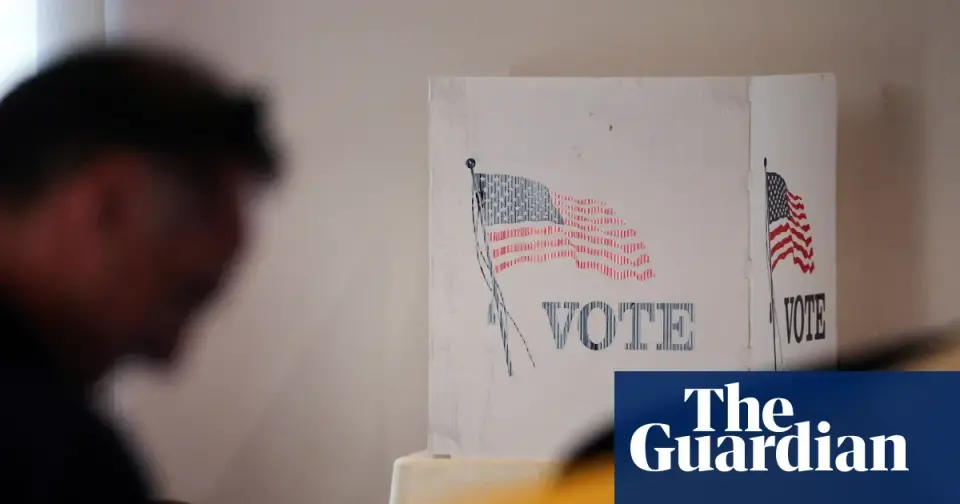
A federal judge in California has delayed a ruling on the Trump administration’s demand to sequester 20,000 mail-in ballots, citing concerns that the move could disenfranchise eligible voters. The Department of Justice (DOJ) claims these ballots belong to noncitizens, but local election officials report the data is riddled with errors. While the DOJ threatens criminal charges for non-compliance, courts and state leaders argue the federal government lacks the authority to intervene in state-run elections at this late stage.
Key points
- U.S. District Judge David O. Carter expressed skepticism about the DOJ’s claims, warning that setting aside ballots could disenfranchise valid voters. He indicated a final ruling may not occur until after the November 3 election, potentially appointing a special master to review evidence.
- The DOJ sent 48-hour demand letters to California county clerks, including Butte County’s Keaton Denlay, threatening criminal prosecution if they did not segregate ballots. Denlay reported the provided list contained 46 names instead of the claimed 47, with many entries lacking crucial details like dates of birth or social security numbers.
- The Ninth Circuit Court of Appeals rejected the administration’s emergency bid to bypass the district court, with two judges noting the urgency was 'self-constructed' since the DOJ had raised these claims since July. Judge Patrick Bumatay dissented, arguing federal law requires the exclusion of likely noncitizen votes.
- California officials, including Attorney General Rob Bonta, argue the federal data is unreliable. A sample review by Los Angeles County found that over 25% of the flagged individuals were born in the U.S., and many had never voted or had canceled registrations.
- The DOJ has charged 28 lawful permanent residents in California with voter fraud, but critics argue this operation risks disenfranchising citizens and violates the state’s authority to administer elections. Local officials like Napa County’s John Tuteur describe the federal pressure as an attempt to intimidate voters and undermine democratic confidence.
Background
This dispute follows a series of federal actions in October 2026, including the charging of 28 green card holders under 'Operation Protect the Vote' and a broader lawsuit to block 20,000 ballots. The conflict represents an escalation of the administration’s efforts to scrutinize voter rolls ahead of the midterms, contrasting with previous claims of much larger numbers of noncitizen voters in other states like Nevada and Pennsylvania.
How outlets are covering it
The DOJ, represented by Bill Essayli, maintains that the list is reliable and that the state has no right to facilitate noncitizen voting, arguing that the potential for illegal votes justifies the intervention. In contrast, California officials and local clerks like Keaton Denlay and John Tuteur argue the data is 'extraordinarily sloppy' and that the federal government is using intimidation tactics to compromise the election. Legal experts and the Ninth Circuit majority view the DOJ’s actions as an overreach that risks disenfranchising citizens, while the dissenting judge argues that federal law mandates the exclusion of likely noncitizen ballots to protect election integrity.
Why it matters
The outcome of this legal battle could set a precedent for federal interference in state-run elections and impact the counting of thousands of mail-in ballots in the 2026 midterms. It highlights the tension between federal claims of voter fraud and state-level concerns about data accuracy and voter rights, potentially influencing public confidence in the integrity of the upcoming election results.
What to watch
Judge Carter is expected to issue an order by Wednesday, potentially directing federal authorities to cease threats against election officials. A final ruling may be delayed until after the November 3 election, with a special master appointed to weigh the evidence. The DOJ may continue to pursue legal challenges in other states, such as Washington, while California officials prepare to defend the validity of their voter rolls and ballot counts.
- California election official says federal agents threatened him over ‘voter fraud’ The Guardian
- Appeals Court Declines to Intervene in California Ballot Lawsuit The New York Times
- North Bay election official, one of state's most tenured, accuses Trump of attacking democracy. Here's what he said The Press Democrat
- San Diego Registrar ‘evaluating’ response to DOJ voter-information demand, threat of prosecution San Diego Union-Tribune
- Judge says Trump could disenfranchise voters in purge of noncitizens from election rolls CalMatters
Want the full story? Read the original reporting
Read on The Guardian