
Florida Amendment 3: $250k Tax Exemption vs. $12B Local Budget Crisis
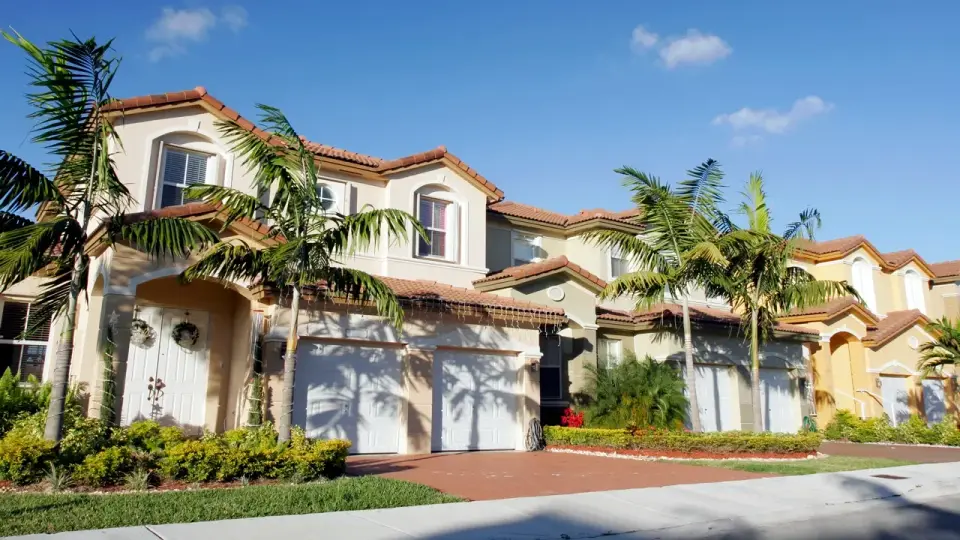
Florida voters decide on Amendment 3, a constitutional amendment that would raise the homestead property tax exemption to $250,000 by 2028. While supporters promise massive tax relief, critics and nonpartisan analysts warn it will cost local governments up to $12 billion annually, forcing cuts to essential services.
Key points
- Amendment 3 requires a 60% supermajority to pass, a high threshold that current polling suggests it may not meet.
- The measure would increase the non-school homestead exemption from $50,000 to $150,000 in 2027 and $250,000 in 2028, with future inflation adjustments.
- It also lowers the annual cap on assessment increases for non-homestead properties from 10% to 5%.
- New residents would wait five years to qualify for the full exemption, receiving only the current $50,000 cap in the interim.
- The amendment restricts local government spending to specific areas like public safety, infrastructure, and debt service, excluding other services.
Background
Florida has no state income tax, making property taxes a primary revenue source for local governments. Recent data shows local property tax revenue nearly doubled from $32 billion in 2019 to nearly $60 billion in the last fiscal year, driven by a post-pandemic real estate boom. Prior polls indicated support for Amendment 3 lagged at 50%, well below the 60% threshold required for passage. Early voting has already begun, with high turnout reported in key counties like Hillsborough and Palm Beach.
How outlets are covering it
Supporters, including Governor Ron DeSantis and the Florida Realtors, argue local governments have excess revenue and that the amendment provides necessary relief for homeowners facing high costs. They claim local budgets can absorb the cuts by eliminating waste. Opponents, including the Florida Democratic Party and grassroots groups like Florida Rising, warn the measure will devastate services like libraries, public transit, and food banks. They argue the tax cuts benefit wealthy homeowners while shifting costs to renters and businesses. The nonpartisan Tax Foundation criticizes the design, noting it is a 'fundamental restructuring' that shifts burdens to non-homesteaders and fails to balance affordability with fiscal stability. Local officials, including Jacksonville’s chief administrative officer, warn that cuts could reach $372 million in some cities, forcing reductions in road maintenance and emergency services.
Why it matters
The outcome of Amendment 3 will determine the fiscal stability of Florida’s local governments for years to come. If passed, it could lead to significant cuts in public services or force local governments to raise other taxes and fees. If rejected, the status quo remains, but property tax burdens continue to rise. The vote also signals the direction of Florida’s fiscal policy and its impact on housing affordability and public infrastructure.
What to watch
Voters will cast ballots on November 3, 2026. If Amendment 3 passes, it takes effect January 1, 2027. Local governments will begin facing revenue shortfalls in 2027, with the full impact potentially exceeding $12 billion annually by 2031. If it fails, current property tax structures remain in place. The results will likely influence future state and local budget decisions and may set a precedent for similar measures in other states.
- What to know about Florida's property tax measure and how it could affect homeowners Fox Business
- 'Affordability? For who?' Voters decide between helping homeowners or public services NPR
- How a Tax Cut Could Threaten a Florida Necessity: Mosquito Control The New York Times
- How Would Amendment 3 Impact Hillsborough County? Florida Policy Institute
- The Tax Fight Splitting the Right in Florida The Free Press
Want the full story? Read the original reporting
Read on Fox Business