
GOP Rejects Moderation After Midterm Rout, Elevating Jordan and Miller
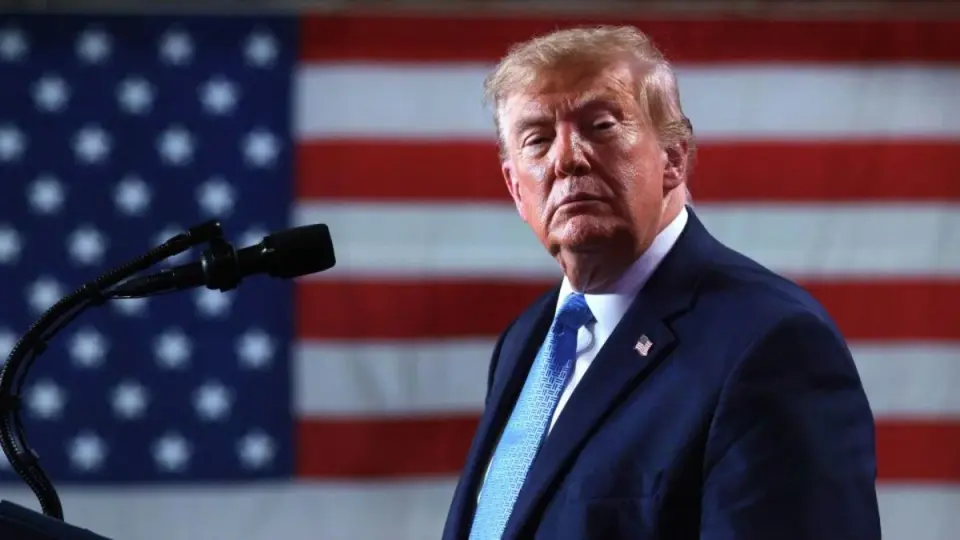
Following a devastating 2026 midterm loss that cost Republicans control of both chambers of Congress, the party has doubled down on its most combative figures rather than pivoting toward moderation. The House GOP selected Ohio Representative Jim Jordan as its minority leader, while President Donald Trump promoted Stephen Miller to White House Chief of Staff. This decision signals a strategy of intensified confrontation rather than reflection, even as Democrats secured majorities of 54 Senate seats and 256 House seats. The party’s refusal to distance itself from controversial policies, such as the Iran war and strict immigration enforcement, suggests a deepening alignment with Trump’s base despite electoral rejection.
Key points
- House Republicans elected Jim Jordan as minority leader, prioritizing a combative figure over moderate leadership.
- President Trump appointed Stephen Miller as White House Chief of Staff, signaling a focus on nationalist policies.
- Republicans blocked impeachment efforts against Defense Secretary Pete Hegseth, despite his role in the unpopular Iran war.
- Democrats won significant majorities, including 54 Senate seats and 256 House seats, marking a historic shift.
- The GOP’s strategy reflects a pattern of intensifying conflict after defeats, mirroring the 2012 post-Romney shift toward Trumpism.
Background
This development follows the 2026 midterm elections, where Republicans suffered sweeping losses across deep-red and swing districts. Prior coverage noted that Defense Secretary Pete Hegseth had defied impeachment threats in early November, acknowledging the political fallout from the Iran war. Additionally, South Dakota remained a Republican stronghold despite the national blue wave, highlighting regional disparities in the election results. The current move by the GOP contrasts with historical attempts at party reinvention, such as the 2012 post-Romney analysis, which ultimately led to the rise of populist nationalism under Trump.
Why it matters
The Republican Party’s decision to elevate its most aggressive figures after a major electoral defeat suggests a strategic commitment to mobilizing its base rather than appealing to the political center. This approach may deepen polarization and complicate future legislative negotiations, as the party appears unwilling to moderate its stance on contentious issues like immigration and foreign policy despite voter rejection. The move also indicates that Trump’s influence within the party remains dominant, potentially limiting internal dissent and shaping the political landscape for the next two years.
What to watch
Democrats, now holding majorities in both chambers, are expected to initiate investigations and legislative actions against the Trump administration. Jim Jordan will lead the House GOP’s opposition, likely focusing on blocking Democratic initiatives and defending Trump’s policies. The party’s stance on immigration and the Iran war will remain central to political debates, with potential further conflicts over policy reversals or new legislative battles in 2027.
Want the full story? Read the original reporting
Read on Yahoo