
GOP Senate Leader Thune Keeps Lame Duck Supreme Court Confirmation Option Open Despite Alito, Thomas Refusal to Retire
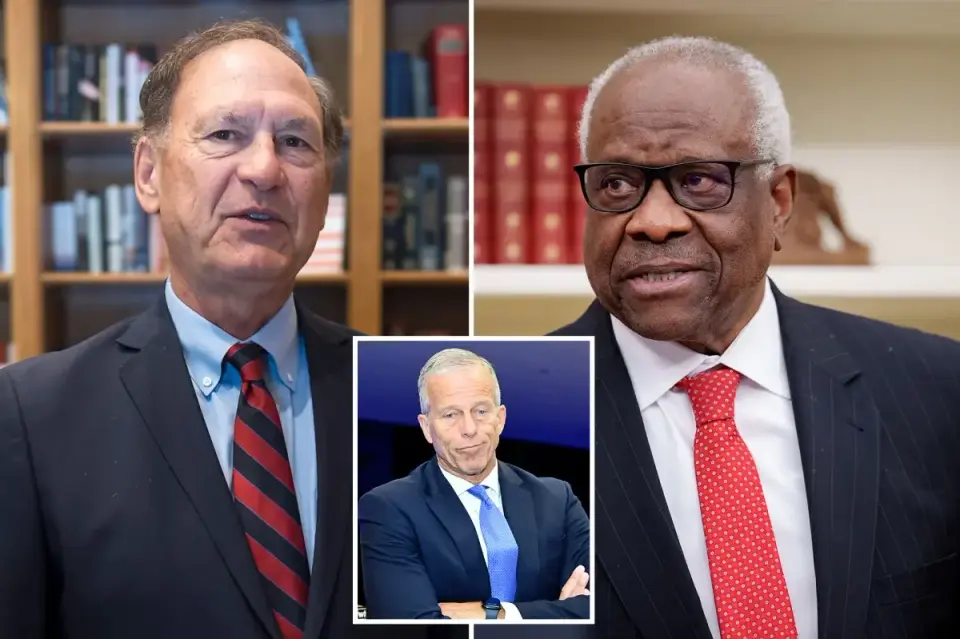
Senate Majority Leader John Thune stated that Republicans remain open to confirming a new Supreme Court justice during the lame duck session if Justices Samuel Alito or Clarence Thomas change their minds about retiring. However, both justices have told allies they do not intend to step down, and a Supreme Court insider told the New York Post that pressuring them to retire is likely futile. Democrats, who won a commanding majority in the 2026 midterms, are now expected to control the Senate and House, potentially blocking Republican judicial appointments for years and reviving proposals for Supreme Court reforms, including term limits and ethics codes.
Key points
- Senate Majority Leader John Thune told Punchbowl News that a lame duck confirmation is possible if Alito or Thomas change their minds, noting that the window is roughly 60 days post-election.
- Justices Samuel Alito and Clarence Thomas have told close allies they do not intend to retire, and a Supreme Court insider told the New York Post that pressuring them to change course is likely futile.
- Democrats are projected to hold at least 54 Senate seats and at least 250 House seats, giving them the opportunity to advance Supreme Court reform legislation that stalled in the previous Congress.
- Democratic House Leader Hakeem Jeffries has called for 'dramatic' Supreme Court reform, and Rep. Jamie Raskin is expected to lead the House Judiciary Committee in the next Congress.
- Some Democrats have proposed term limits, ethics reforms, and expanding the number of Supreme Court seats, though most of these measures would require 60 votes in the Senate or a constitutional amendment, making passage unlikely.
- A Supreme Court luminary, Sarah Isgur, floated the idea of Trump nominating candidates without a vacancy, but many insiders were skeptical of this approach, fearing it would push Democrats toward packing the court in 2028.
Background
In October 2026, Justice Alito confirmed he would not retire during the lame duck session, prioritizing judicial continuity over partisan timing. This decision removed the possibility of President Trump filling a vacancy before the new Congress convenes. The current 6-3 conservative majority on the Supreme Court is expected to remain intact until at least 2028, and possibly until 2032, if Alito and Thomas do not retire.
How outlets are covering it
The New York Post emphasized that Senate Republicans, including retiring Sen. Thom Tillis and Judiciary Committee Chairman Chuck Grassley, have signaled support for rushing through a nominee if needed, but a GOP Senate advisor told the Post that pressuring Alito or Thomas to retire is likely futile. The New York Times reported that Alito shared his plans with friends after the election results were clear, and that Republicans may have missed the window for Trump to name a fourth or fifth justice. CBS News focused on the Democratic side, noting that Democrats could dust off plans for Supreme Court reforms after capturing the House and Senate, and that House Democratic Leader Hakeem Jeffries has indicated he has the Supreme Court on his mind. SCOTUSblog noted that Republicans and Democrats are grappling with what the blue wave means for the Supreme Court, and that the Senate shake-up could affect when a justice next leaves the court and how the confirmation process might unfold.
Why it matters
The decision by Alito and Thomas not to retire locks in the current conservative majority on the Supreme Court for years, potentially until the 2030s. This prevents President Trump from securing a fourth or fifth conservative appointment before his term ends, and gives Democrats the opportunity to advance Supreme Court reform legislation that stalled in the previous Congress. The outcome of the 2026 midterms has significant implications for the future of the Supreme Court and the balance of power in the federal judiciary.
What to watch
Democrats are expected to take control of the House and Senate in January 2027, and could begin advancing Supreme Court reform legislation. Republicans may attempt to pressure Alito or Thomas to retire, but a Supreme Court insider told the New York Post that this is likely futile. The next Supreme Court confirmation may not occur until the 2030s, if Republicans regain enough Senate seats to confirm a nominee.
- GOP Senate ready for lame duck Supreme Court confirmation — if Alito or Thomas change mind New York Post
- Justice Alito Will Not Retire From Supreme Court Immediately, Despite Election Outcome The New York Times
- Democrats could dust off plans for Supreme Court reforms after capturing House and Senate CBS News
- GOP’s losses will raise pressure on conservative Supreme Court justices to retire The Washington Post
- The midterms and SCOTUS SCOTUSblog
Want the full story? Read the original reporting
Read on New York Post