
Harwood, North Dakota, becomes the sole U.S. town to reject data center restrictions in 2026 elections
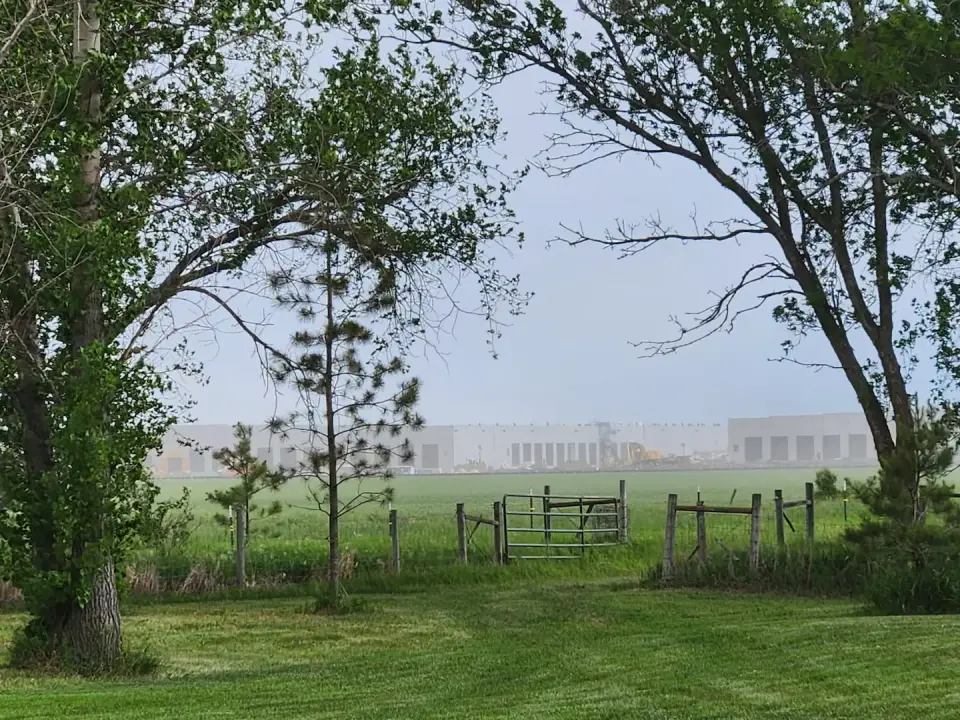
Harwood, North Dakota, is the only U.S. community to vote against data center restrictions in the 2026 midterm elections. Residents rejected a Home Rule Charter amendment that would have imposed stricter oversight on industrial projects, including the $3 billion Applied Digital facility under construction. While the town anticipates significant tax revenue, opponents argue the measure failed due to economic fears and lack of transparency, and the project faces ongoing challenges regarding traffic, power capacity, and community impact.
Key points
- Harwood voters rejected a Home Rule Charter amendment by 75.6% (325 to 105), the only such defeat among 45 national data center ballot measures.
- The amendment would have required independent reviews and public hearings for large industrial projects, a move opposed by local officials who feared it would hinder economic growth.
- Mayor Blake Hankey projects the Applied Digital facility will generate $4.36 million annually for Fargo Public Schools and $1.65 million for Harwood by 2028.
- Construction began in September 2025, but residents report traffic congestion, roadside litter, and concerns about noise near a nearby elementary school.
- Opponents, including Voices of Harwood, argue the project was approved without adequate public input and that the town may face long-term environmental and quality-of-life costs.
Background
Harwood, a town of approximately 845 to 940 residents located 10 miles from Fargo, North Dakota, has become a focal point in the national debate over data center expansion. The community’s decision to allow the Applied Digital facility, which uses Oracle as an end-user, stands in contrast to a broader trend of local moratoriums and restrictions across the United States. While the Greater North Dakota Chamber of Commerce highlights potential benefits such as job creation and infrastructure funding, local advocates and residents remain divided over the project’s long-term impacts on the community.
How outlets are covering it
The Washington Post and Yahoo highlight Harwood as a unique outlier in a national trend of rejecting data centers, noting that 40 of 41 ballot measures in other states passed restrictions. Mayor Hankey, however, argues that the vote was not a direct endorsement of data centers but a rejection of a broader charter amendment that would have imposed administrative burdens on all future industrial development, including hospitals and grocery stores. Opponents, such as Michael Swartz of Voices of Harwood, contend that the project was approved with minimal public notice and that the ballot language was confusing. While Hankey emphasizes the financial benefits and the risk of losing the project to neighboring jurisdictions, critics argue that the economic gains do not outweigh the potential for decreased property values, increased noise, and environmental strain. The InForum notes that while 57% of North Dakotans support data centers in general, only 36% support them in their own communities, highlighting the tension between regional economic hopes and local concerns.
Why it matters
Harwood’s decision underscores the growing polarization over data center development in the United States. As AI and tech companies seek to expand infrastructure, communities are increasingly weighing immediate economic incentives against long-term environmental and social costs. The outcome in Harwood may influence how other municipalities approach similar projects, particularly in regions with cooler climates and abundant energy resources. Additionally, the dispute highlights the importance of transparency and public engagement in large-scale industrial developments, as residents demand greater control over decisions that affect their quality of life and local tax burdens.
What to watch
Construction of the Applied Digital facility is ongoing, with at least one building fully enclosed, but a firm completion date remains uncertain due to electrical capacity constraints. The project is expected to be fully operational by 2027, with potential expansion to 900 acres. Local officials will continue to monitor traffic, public safety, and environmental impacts, while residents may push for further dialogue on the project’s long-term effects. The outcome of the election may also influence future policy discussions in other communities facing similar data center proposals.
- The only town in the U.S. that said yes to data centers The Washington Post
- Harwood mayor reveals millions in projected tax revenue for Fargo Public Schools from Applied Digital data center Valley News Live
- Data center growth meets a different response in North Dakota InForum
- ‘Like being hit between the eyes with a sledgehammer’: Meet the one town in America that defied election trends and voted in favor of data centers Yahoo
- Poll: Support mixed for data centers, state asked to take lead North Dakota Monitor
Want the full story? Read the original reporting
Read on The Washington Post