
Hilton vows to dismantle DMV, slash fees to $73 in bid to cut costs
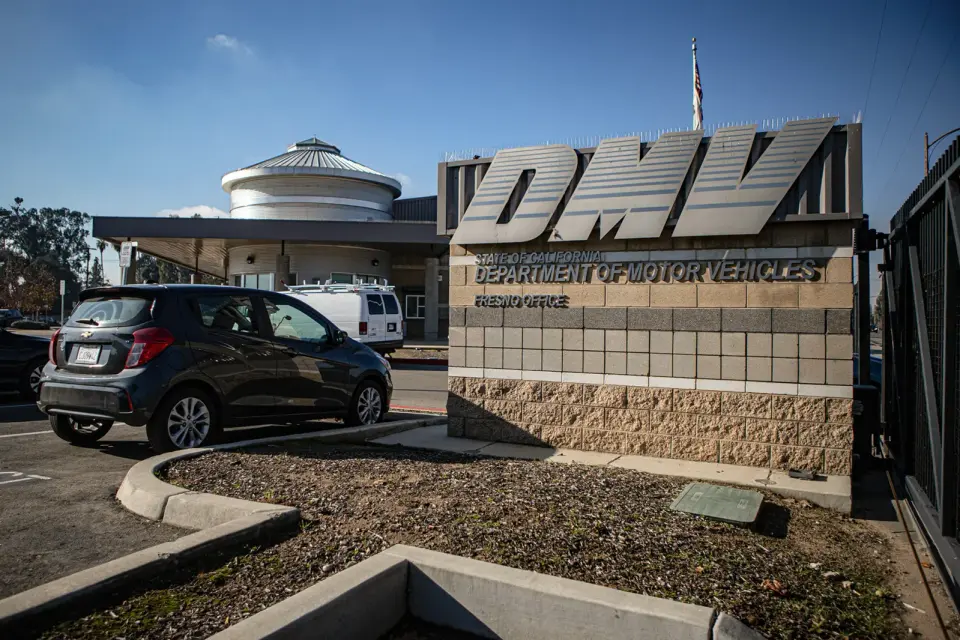
Republican gubernatorial candidate Steve Hilton has proposed abolishing the California Department of Motor Vehicles (DMV) and capping annual vehicle registration fees at $73. He argues the current system is a 'bloated' bureaucracy that gouges residents, proposing to shift routine services to county offices and online platforms. While the plan aims to reduce state revenue from $11 billion to $2.7 billion, critics warn it could compromise safety and funding for roads and the California Highway Patrol. Hilton claims he can persuade the Democratic-controlled Legislature to support the move, framing it as a necessary step to lower the cost of living in a state with some of the highest registration fees in the nation.
Key points
- Hilton plans to eliminate the DMV as a standalone agency, transferring routine registration and title services to county offices and certified local providers.
- The proposal includes a flat annual vehicle registration fee of $73, down from an average of $329, which would cut state revenue from approximately $11 billion to $2.7 billion.
- Hilton intends to offset the revenue loss by reducing the state workforce by 10% and agency budgets by 5%, a plan he calls 'Operation Zero Waste.'
- A smaller state entity would remain to handle driver's licenses, fraud prevention, and REAL ID, while DMV field offices could be repurposed for job training or sold.
- The plan requires legislative approval, which Hilton believes he can secure despite Democratic supermajorities, arguing that Democrats would prefer a cooperative Republican governor over a hostile one.
Background
This proposal echoes former Governor Arnold Schwarzenegger’s 2003 campaign, which successfully leveraged public anger over vehicle license fees to win a recall election. Hilton cited a recent dinner with Schwarzenegger, noting that the former governor believed Democratic legislators often preferred working with a Republican governor. In the current 2026 race, Hilton trails Democratic opponent Xavier Becerra by 18 points in recent polls, but his populist platform on affordability and energy costs has narrowed the gap. The DMV abolition plan is part of a broader 'Califordable' strategy aimed at addressing high living costs, including housing and energy, which have been central to Hilton’s campaign messaging since the primary elections.
How outlets are covering it
CalMatters and the Los Angeles Times highlight the political challenge Hilton faces, noting that Democrats hold supermajorities in both legislative chambers and have endorsed his opponent, Xavier Becerra. The LA Times emphasizes that eliminating the DMV would require significant legislative action, which Hilton’s critics say is unlikely given the current political climate. 10News.com and USA Today focus on the operational details, such as the three-month audit and the shift to county offices, while noting concerns about how the revenue shortfall would be managed. Becerra’s campaign, represented by communications director Jonathan Underland, dismissed the plan as a 'rude awakening' for Hilton, arguing that outsourcing driver safety checks to the 'lowest bidder' would compromise road safety. Hilton, however, maintains that the plan is a pragmatic solution to a 'nanny-state' bureaucracy that treats Californians with contempt, and he is confident that lawmakers will support measures to reduce the cost of living.
Why it matters
The DMV is a critical revenue source for California, funding not only its own operations but also the California Highway Patrol and road maintenance. Abolishing it and slashing registration fees would create a massive budget gap, potentially leading to significant cuts in public services or increased taxes elsewhere. The proposal also touches on broader issues of state bureaucracy, cost of living, and the feasibility of decentralizing government services. If implemented, it could reshape how Californians interact with state agencies and set a precedent for other states considering similar reforms. The outcome of the 2026 gubernatorial race, and the subsequent legislative battles, will determine whether this ambitious plan moves from rhetoric to reality.
What to watch
Hilton and Becerra are scheduled to debate on September 30 on CNN, where the DMV proposal is likely to be a key topic. Hilton has requested additional debates, criticizing Becerra for limited public appearances. In the meantime, Hilton’s campaign will continue to push for the 'No More DMV Act' and seek support from state legislators. The November 2026 election will determine whether Hilton or Becerra becomes governor, with the DMV abolition plan potentially becoming a central issue in the final months of the campaign. If Hilton wins, the implementation of the plan will depend on his ability to navigate the Democratic-controlled Legislature and manage the resulting budget challenges.
- Steve Hilton: Abolish the DMV CalMatters
- Hilton proposes eliminating DMV, slashing vehicle registration fee if elected governor Los Angeles Times
- California gubernatorial candidate Steve Hilton proposes abolishing DMV, cutting registration costs 10News.com
- GOP candidate Steve Hilton announces plan to abolish California DMV USA Today
- Steve Hilton promises to abolish state-level DMV if he’s elected governor Sacramento Bee
Want the full story? Read the original reporting
Read on CalMatters