
Jensen Huang Frames $8 Billion Tax Liability as a 'Privilege' Amid Wealth Tax Debate
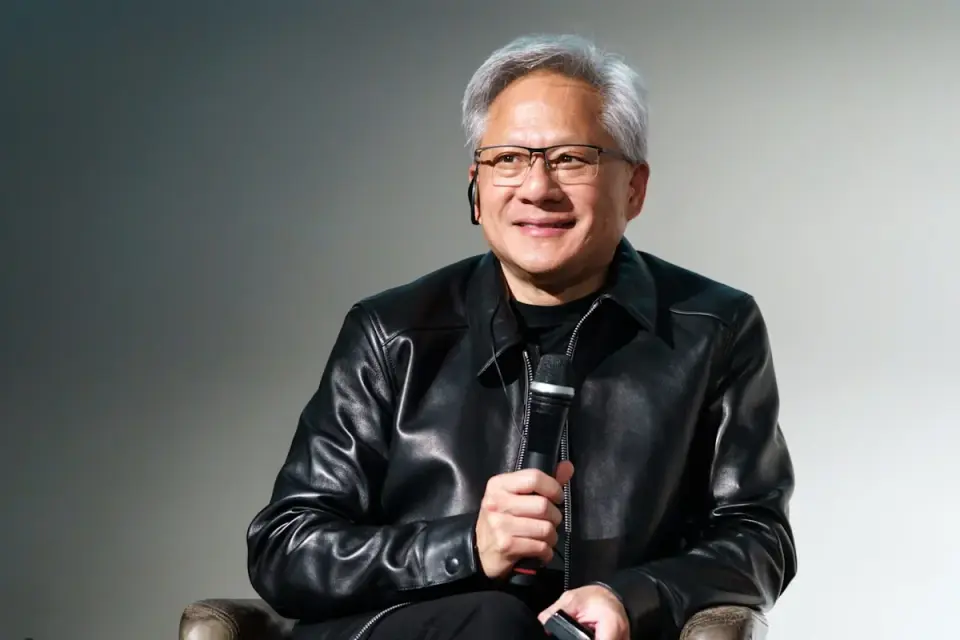
Nvidia CEO Jensen Huang has publicly defended his decision to remain in California despite the state's proposed 5% one-time wealth tax on billionaires, which would cost him approximately $8 billion. In a recent statement, Huang described paying such a large tax as a 'privilege' and expressed that he is 'afraid of being poor,' signaling his commitment to staying in the state. This stance contrasts sharply with other tech leaders like Larry Page, Sergey Brin, and Peter Thiel, who have relocated to avoid the measure. The debate centers on Proposition 40, which aims to fund healthcare through a one-time levy on the ultra-wealthy. While supporters argue the tax is necessary to offset federal funding cuts, opponents, including Governor Gavin Newsom, view it as an 'anti-entrepreneurial' deterrent. The situation highlights a divergence in how ultra-wealthy executives are responding to the November ballot measure, with Huang choosing to stay put while others exit the state. This decision comes amidst broader discussions about wealth migration and the impact of high taxes on professional ties and economic activity.
Key points
- Jensen Huang, CEO of Nvidia, has publicly committed to remaining in California despite the state's proposed 5% one-time wealth tax on billionaires, which could cost him approximately $8 billion.
- Huang described paying the tax as a 'privilege' and stated that he is 'afraid of being poor,' indicating his willingness to accept the financial burden to stay in the state.
- This stance contrasts with other tech leaders like Larry Page, Sergey Brin, and Peter Thiel, who have already relocated to avoid the tax.
- The debate centers on Proposition 40, which aims to fund healthcare through a one-time levy on the ultra-wealthy, with supporters arguing it is necessary to offset federal funding cuts.
- Opponents, including Governor Gavin Newsom, view the tax as an 'anti-entrepreneurial' deterrent, while experts debate whether such taxes cause significant wealth migration or if existing professional ties outweigh tax burdens.
Background
This development follows earlier reports that Jensen Huang defied the California wealth tax threat by committing to remain in the state, contrasting with other tech leaders who have relocated. The debate over Proposition 40 has been ongoing, with supporters arguing the tax is necessary to offset federal funding cuts and opponents viewing it as an 'anti-entrepreneurial' deterrent. The situation highlights a divergence in how ultra-wealthy tech executives are responding to the November ballot measure, with Huang choosing to stay put while others exit the state. This decision comes amidst broader discussions about wealth migration and the impact of high taxes on professional ties and economic activity.
Why it matters
Jensen Huang's decision to remain in California despite the proposed wealth tax highlights the complex dynamics of how ultra-wealthy individuals respond to high taxes. His stance contrasts with other tech leaders who have relocated, suggesting that professional ties and other factors may outweigh tax burdens for some. The debate over Proposition 40 has broader implications for state revenue and healthcare funding, as well as for the perception of California as a hub for tech entrepreneurs. The situation also raises questions about the effectiveness of wealth taxes in generating revenue and their potential impact on economic activity and wealth migration.
What to watch
The outcome of Proposition 40 will be determined in the November ballot measure, with supporters and opponents continuing to debate the merits of the tax. The decision of ultra-wealthy individuals like Jensen Huang to remain in California may influence the broader discussion on wealth migration and the impact of high taxes on economic activity. The situation will also have implications for state revenue and healthcare funding, as well as for the perception of California as a hub for tech entrepreneurs.
Want the full story? Read the original reporting
Read on Yahoo Finance