
Johnson Revives Corporate Head Tax in 2027 Budget Amid Council Opposition
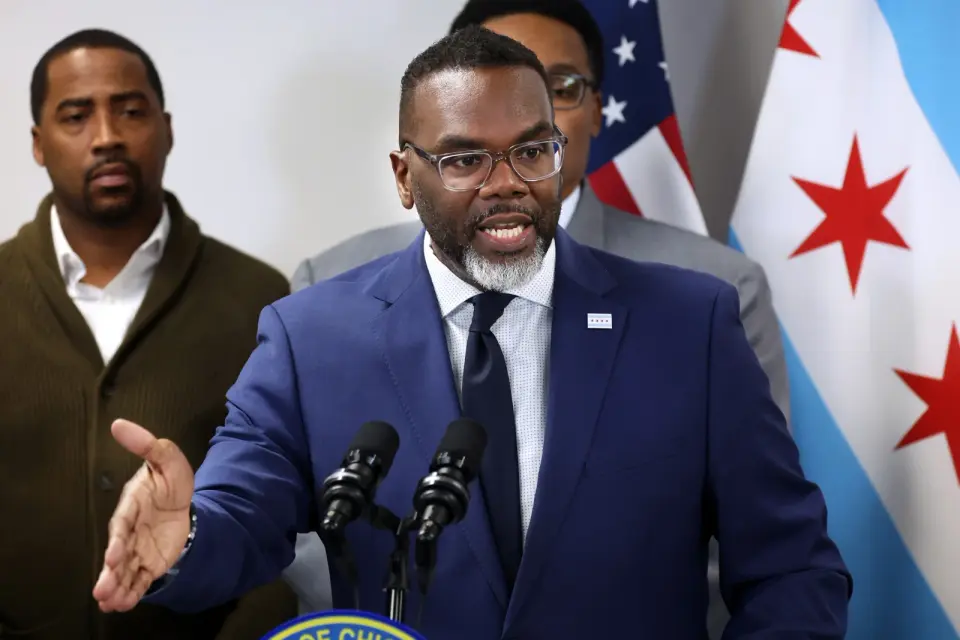
Chicago Mayor Brandon Johnson is set to unveil a 2027 budget proposal that reintroduces a corporate head tax and increases the personal property lease tax. The plan aims to address an $880 million deficit by targeting large businesses while avoiding property tax hikes for residents. The proposal includes a $480 million borrowing measure for police settlements and faces immediate opposition from a coalition of aldermen who previously rejected similar measures.
Key points
- Mayor Johnson proposes a $25 monthly head tax on companies with 125 or more employees, estimated to raise $102 million.
- The plan includes a rebate for businesses in socioeconomically disadvantaged areas to incentivize investment in underserved neighborhoods.
- Johnson proposes raising the personal property lease tax from 15% to 20%, targeting cloud computing and large tech firms.
- The budget includes a $480 million loan to cover police misconduct settlements, including $261 million for cases tied to former officer Reynaldo Guevara.
- A coalition of 29 aldermen has already opposed the head tax, calling it a threat to job growth and business retention.
Background
This proposal follows Johnson’s 2026 budget defeat, where the City Council passed its own spending plan after rejecting his head tax. Johnson’s reelection bid has faced challenges, including a 53% disapproval rating and criticism over campaign rhetoric. The current budget gap has narrowed from an initial $882.4 million estimate to $652.5 million, though pension and settlement costs remain significant pressures.
How outlets are covering it
The Chicago Tribune and CBS News emphasize the political risk of reviving a previously rejected tax, noting that 29 aldermen have formally opposed the measure. NBC Chicago highlights the broader tax package, including sports betting and packaging fees, as part of a strategy to avoid burdening residents. The Chicago Sun-Times frames the move as a renewed fight for Johnson’s signature policy, despite low approval ratings. All sources agree that the proposal faces significant legislative hurdles, with the Council likely to scrutinize the borrowing for police settlements and the impact on local businesses.
Why it matters
The outcome of this budget battle will determine Chicago’s fiscal stability and borrowing costs, especially after recent credit rating downgrades. It also sets the stage for the 2027 mayoral election, where Johnson’s progressive tax agenda may influence voter sentiment. The proposal’s success or failure will impact neighborhood services, school funding, and the city’s ability to manage long-term liabilities.
What to watch
Johnson is expected to detail the proposal on Wednesday, with the City Council likely to debate the head tax and borrowing measures in the coming weeks. The mayor must secure 26 votes to pass the budget, a challenge given the current opposition from the Budget Accountability Coalition. The outcome will influence the city’s credit rating and future borrowing costs.
- Mayor Brandon Johnson proposing corporate head tax again, sources say Chicago Tribune
- Mayor Johnson to release 2027 budget with new proposed taxes: Here's what it could include NBC 5 Chicago
- Mayor Johnson renews fight for his failed corporate head tax Chicago Sun-Times
- Chicago Mayor Brandon Johnson to give head tax another shot in 2027 budget proposal CBS News
- Mayor Brandon Johnson to deliver Chicago budget address Wednesday with plan including corporate head tax ABC7 Chicago
Want the full story? Read the original reporting
Read on Chicago Tribune