
Judge Blocks Trump's Second Bid to Limit Birthright Citizenship
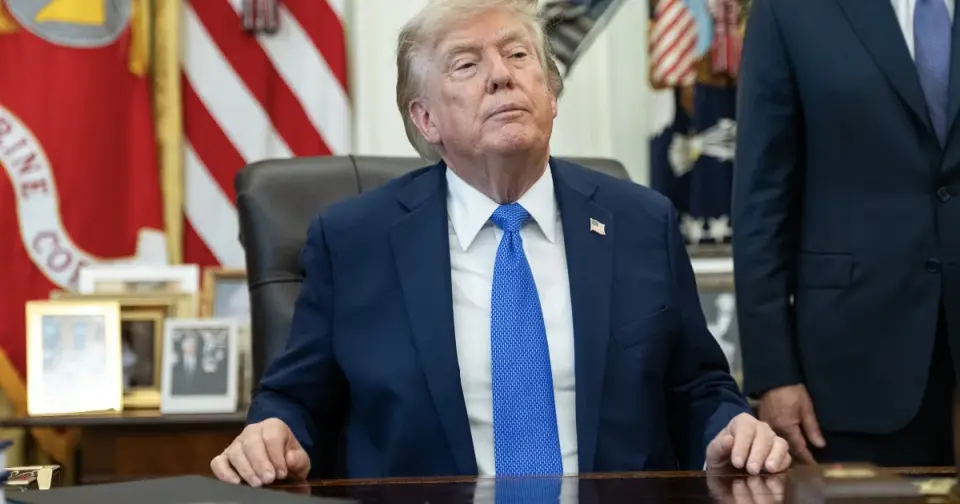
A federal judge has blocked President Donald Trump’s August 2026 executive order attempting to limit birthright citizenship. U.S. District Judge Deborah Boardman ruled the order 'almost certainly unconstitutional,' citing the Supreme Court’s June 2026 decision that struck down a broader 2025 order. The new order targeted specific groups, including children of 'alien enemies' or foreign embassy workers, but the court halted its enforcement. This marks the second major legal setback for the administration’s efforts to restrict citizenship by birth since the start of Trump’s second term.
Key points
- Judge Deborah Boardman issued a 35-page ruling blocking the August 2026 executive order, calling it 'almost certainly unconstitutional.'
- The order sought to deny citizenship to children born to parents classified as 'alien enemies,' foreign government employees, or those engaged in 'birth tourism.'
- The ruling relies on the Supreme Court’s June 2026 decision, which invalidated a broader 2025 executive order seeking to end birthright citizenship for children of non-citizens.
- The White House did not immediately respond to the ruling, though Attorney General Todd Blanche indicated the administration may appeal to the Supreme Court.
- A separate case challenging the order is pending in New Hampshire, and the State Department has proposed requiring parents to prove their own citizenship status for children's passports.
Background
This ruling follows a series of legal challenges to Trump’s immigration policies since his second term began in January 2025. The Supreme Court’s June 2026 decision struck down the initial 2025 order, which sought to broadly end birthright citizenship for children of non-citizens. In response, the administration issued narrower orders in August 2026, targeting specific exceptions. Previous coverage noted that legal experts were divided on the constitutionality of these narrowed measures, with some arguing they relied on longstanding exceptions, while others warned they violated the Fourteenth Amendment. The current ruling aligns with the Supreme Court’s precedent, reinforcing the constitutional right to birthright citizenship.
How outlets are covering it
NBC News and CNN emphasize the judicial block as a significant defeat for the administration, highlighting Judge Boardman’s language that the order was 'unprecedented' and 'almost certainly unconstitutional.' AP News frames the ruling as a continuation of the legal battle over the Fourteenth Amendment, noting the State Department’s proposed passport requirements. SCOTUSblog provides background on the procedural history, noting that Boardman initially declined a temporary restraining order due to technicalities in the complaint but later granted the injunction after the complaint was updated. The White House, through Attorney General Todd Blanche, expressed surprise at the ruling but signaled potential appeals to the Supreme Court, indicating a continued legal strategy to test the boundaries of executive power on citizenship.
Why it matters
The ruling reinforces the constitutional protection of birthright citizenship under the Fourteenth Amendment, limiting the executive branch’s ability to redefine citizenship through executive orders. It sets a precedent for future challenges to immigration and citizenship policies, potentially influencing the outcome of pending cases in other jurisdictions. The decision also highlights the ongoing tension between the executive and judicial branches over the scope of presidential power in immigration matters, with implications for millions of Americans born in the U.S. to non-citizen parents.
What to watch
The administration may appeal the ruling to the Supreme Court, as indicated by Attorney General Todd Blanche. A separate case in New Hampshire is pending, which could further test the constitutionality of the August 2026 order. The State Department’s proposed passport requirements may face additional legal challenges. The outcome of these cases will determine whether the administration can implement any version of its birthright citizenship restrictions or if the Supreme Court will further reinforce the 14th Amendment’s protections.
- Federal judge blocks Trump’s latest order limiting birthright citizenship NBC News
- Federal judge blocks Trump’s newest attempt to crack down on birthright citizenship CNN
- Trump’s New Birthright Citizenship Curbs Halted by Court for Now Bloomberg.com
- Updates on the new birthright citizenship executive order and mail-in ballots SCOTUSblog
- A judge blocks Trump's new bid to curb birthright citizenship, citing Supreme Court precedent AP News
Want the full story? Read the original reporting
Read on NBC News