
Kennedy Proposes Ban on Naming Buildings After Living Officials Amid Trump Ad Controversy
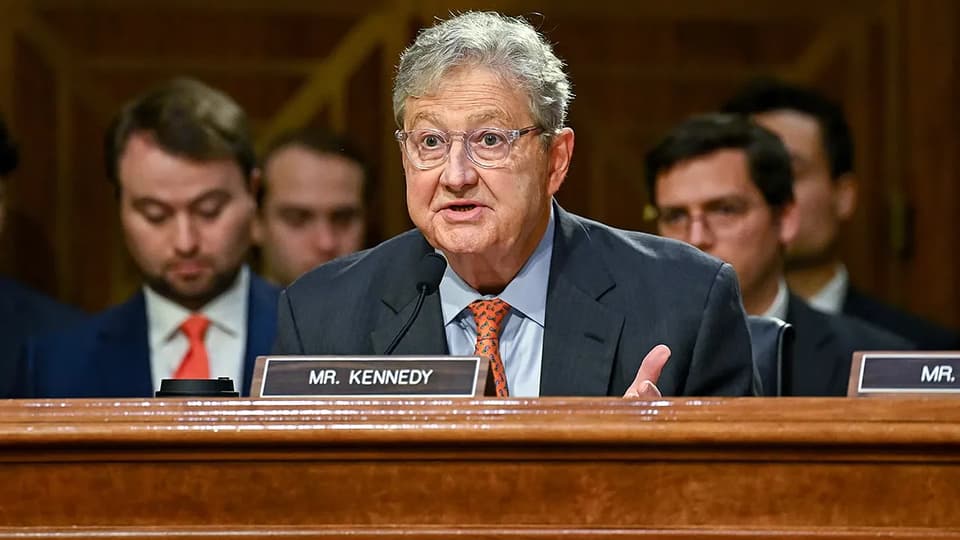
Sen. John Kennedy proposed a rule barring living public officials from having buildings named after them, citing President Trump’s recent attempts to rename federal sites. This follows a federal court order removing Trump’s name from the Kennedy Center and new scrutiny over taxpayer-funded political ads airing ahead of the November midterms.
Key points
- Sen. John Kennedy (R-La.) stated on CBS News that no living politician should have a building named after them, calling such actions 'private ads' funded by public money.
- A federal appeals court denied a last-minute appeal to keep Trump’s name on the Kennedy Center, ordering its removal after a board vote in December 2025.
- The White House defended new 30-second TV ads as 'public service announcements' about patriotism, but critics argue they are political propaganda ahead of the midterms.
- The government has spent nearly $920,000 on one ad and $362,000 on another, featuring Trump’s message that 'America will never be a communist country.'
- Democrats and some Republicans, including Sen. Kennedy, have filed complaints or letters arguing the ads violate federal laws prohibiting the use of appropriated funds for political propaganda.
Background
This proposal follows a protracted legal battle over the Kennedy Center’s name, which saw Trump’s name added and removed multiple times in 2026. Courts previously ruled that only Congress can authorize such name changes. The current dispute also coincides with a two-year closure of the Kennedy Center’s main building for renovations, a move linked to the naming controversy and safety concerns after a ceiling collapse.
How outlets are covering it
Fox News emphasized Kennedy’s proposal as a direct response to Trump’s 'vanity projects' and his push to rename federal buildings. CNN focused on the broader controversy of taxpayer-funded ads, framing them as provocative 'strongman' messaging that ignores ethical norms and precedes the midterms. CNBC highlighted the bipartisan scrutiny, noting that while the White House calls the ads patriotic, lawmakers from both parties argue they violate federal prohibitions on using public funds for political propaganda. All three outlets agreed that the ads and naming attempts represent a significant test of presidential power and ethical boundaries.
Why it matters
The proposal and the ad controversy highlight a growing tension between executive authority and congressional oversight regarding the use of public funds and federal property. If successful, Kennedy’s rule could set a precedent limiting how presidents use their office for personal branding. The ad dispute also raises questions about the legality of using government money for political messaging, potentially setting a precedent for future administrations and influencing the upcoming midterm elections.
What to watch
The White House is expected to continue airing the ads, while Democrats and ethics watchdogs may pursue legal or administrative challenges. The Kennedy Center’s two-year renovation and the legal status of its name remain pending, with further court rulings anticipated. The outcome of the November midterms could determine whether new congressional oversight mechanisms are implemented to restrict such practices.
- Sen Kennedy says no living politicians should have buildings named after them after Trump's moves foxnews.com
- Trump stirs new storm by posing as strongman in taxpayer-funded video CNN
- Taxpayer-funded Trump administration ads raise questions about their legality NPR
- A Trump 2024 Campaign Ad Returns, Now Brought to You by the Government The New York Times
- Taxpayer-funded Trump ads draw bipartisan scrutiny ahead of midterms CNBC
Want the full story? Read the original reporting
Read on foxnews.com