
White House price-cut plans stall amid industry pushback
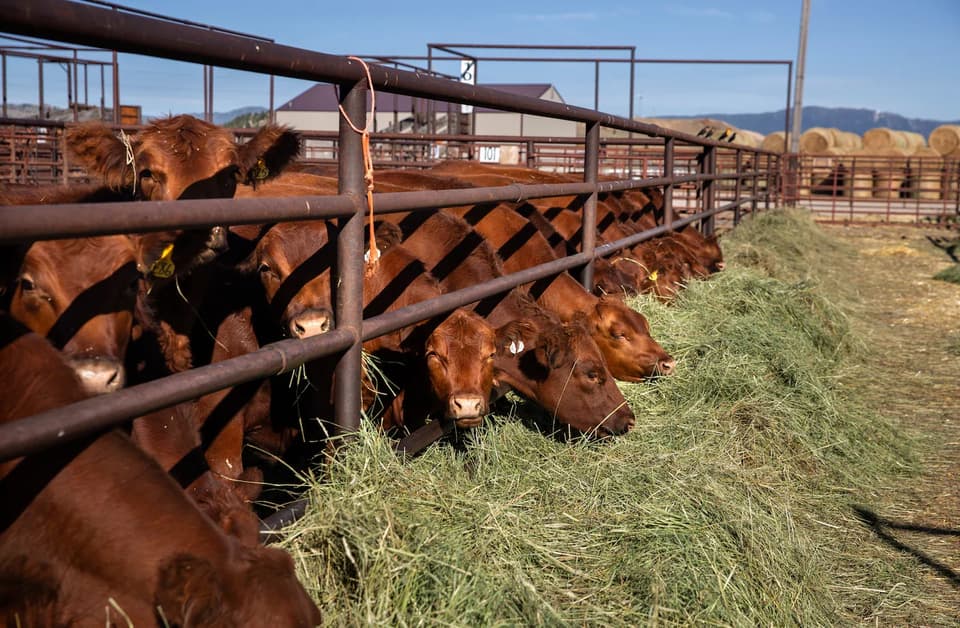
President Trump’s recent efforts to lower consumer costs have faced significant resistance from key industry groups. Proposals to allow tariff-free beef imports and ban domestic diesel exports have both encountered opposition, raising doubts about their effectiveness ahead of the midterm elections.
Key points
- The administration proposed allowing tariff-free beef imports to lower food prices, but the plan angered U.S. farmers and ranchers.
- A separate proposal to ban exports of domestic diesel fuel faced pushback from major oil companies.
- Inflation remains the top concern among voters in the upcoming midterm elections, according to The Washington Post.
- Economic experts doubt these specific measures will effectively address broader inflation or significantly aid the Republican Party in elections.
- The White House has expanded a taxpayer-funded ad campaign to boost President Trump’s image, according to The Washington Post.
Background
In August 2026, the U.S. and China detailed $60 billion in tariff cuts, with China’s list favoring U.S. agricultural products. In August, Trump also announced a major oil deal with Venezuela, granting U.S. equity in reserves. These moves reflect ongoing efforts to manage trade and energy costs, though current proposals face domestic industry resistance.
How outlets are covering it
The Washington Post frames the stalled beef and diesel proposals as a pattern of resistance from domestic industries, questioning their impact on inflation. Axios highlights a specific political backlash, noting Rep. Levin’s criticism of Trump’s pledge to lower energy costs. While The Post focuses on the broader failure of consumer-aid ideas, Axios emphasizes the political conflict surrounding energy policy.
Why it matters
The failure of these price-cut measures highlights the political and economic challenges the Trump administration faces in addressing inflation, a key issue for midterm voters. Resistance from farmers and oil companies could limit the administration’s ability to deliver tangible economic relief, potentially affecting voter sentiment and the GOP’s electoral prospects.
What to watch
The administration may need to revise or abandon the beef and diesel proposals to avoid further industry backlash. The White House is likely to continue its taxpayer-funded ad campaign to manage public perception. Future policy decisions will depend on whether the administration can find compromises that balance consumer relief with industry interests.
Want the full story? Read the original reporting
Read on The Washington Post