
MAHA Architect Calley Means Resigns Amid Policy Stalls and Midterm Tensions
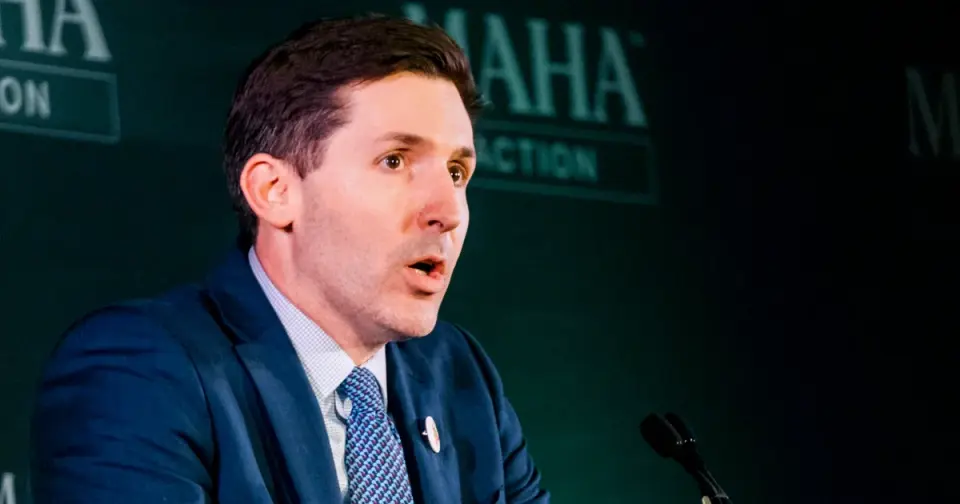
Calley Means, a senior adviser to Health Secretary Robert F. Kennedy Jr. and a central figure in the 'Make America Healthy Again' (MAHA) movement, resigned from the Trump administration on October 22, 2026. His departure, occurring less than two weeks before midterm elections, stems from deep frustration over stalled food policies, particularly the failure to define ultra-processed foods, and conflicts with the EPA’s stance on pesticides. While Means cited bureaucratic resistance as a barrier, he acknowledged recent policy wins, including SNAP restrictions on soda and changes to dietary guidelines. His exit highlights growing disillusionment among MAHA supporters, who feel the administration has failed to break corporate influence in healthcare and agriculture, potentially impacting voter turnout in the upcoming elections.
Key points
- Calley Means resigned from his role as senior adviser to the Health and Human Services Department on October 22, 2026, citing frustration with the pace of progress on MAHA goals.
- A key driver of his resignation was the administration’s failure to release a federal definition for ultra-processed foods, a priority Means had championed since joining the White House in early 2025.
- Means expressed frustration over the EPA’s weakening of mercury emissions standards and rollback of PFAS drinking water limits, as well as an executive order boosting glyphosate supply, which conflicted with MAHA’s anti-pesticide stance.
- In his resignation statement, Means praised Trump and Kennedy for fighting 'a corrupt DC bureaucracy' and highlighted wins such as restricting soda purchases via SNAP and fast-tracking psychedelic research.
- The resignation coincides with a broader disillusionment among MAHA supporters, who have accused the administration of breaking promises on food and environmental health, potentially affecting voter turnout in the midterm elections.
- Means, who helped introduce Kennedy to Trump and was a key architect of the MAHA agenda, had previously served as a special government employee before transitioning to a full-time HHS role after divesting from his wellness company, Truemed.
Background
This resignation follows a period of internal tension within the Trump administration’s health agenda. Earlier in 2026, Trump nominated Means’ sister, Casey Means, as surgeon general, but she was replaced by Dr. Nicole Saphier after facing scrutiny over her lack of an active medical license and controversial views on vaccines. The MAHA movement, which helped power Trump’s 2024 victory, has faced growing criticism for perceived inaction on corporate influence in food and healthcare. Recent setbacks, including a Supreme Court ruling in June that sided with Bayer over Roundup’s cancer risk warnings, have deepened these frustrations. The archive notes that MAHA supporters have released scorecards accusing the administration of failing most of its promises, and some have threatened to abstain from voting in the midterms.
How outlets are covering it
NBC News and CNN emphasize Means’ frustration over stalled food policies, particularly the lack of a federal definition for ultra-processed foods, and conflicts with the EPA’s pesticide-friendly actions. CNN highlights the political alliance between Trump’s MAGA base and Kennedy’s MAHA voters, noting that Means’ exit signals a rift as MAHA supporters grow disillusioned. Politico focuses on the broader disillusionment among MAHA adherents, framing Means’ resignation as a symptom of the movement’s lack of momentum ahead of the midterms. All sources agree that Means’ departure underscores the tension between the administration’s promises and its actions, particularly regarding corporate influence in healthcare and agriculture. Means himself, in his statement, praised the administration’s efforts against bureaucratic inertia while acknowledging the challenges of advancing MAHA goals in Washington.
Why it matters
Means’ resignation signals a potential shift in the political dynamics surrounding the MAHA movement, which played a significant role in Trump’s 2024 victory. His departure, coupled with growing disillusionment among MAHA supporters, could impact voter turnout and policy priorities in the upcoming midterm elections. The failure to advance key food and health policies may also reflect broader challenges in balancing corporate interests with public health goals, potentially affecting future legislative and regulatory efforts in these areas.
What to watch
The administration may face increased pressure to address MAHA-related policies, particularly the definition of ultra-processed foods and pesticide regulations, to retain support from Kennedy’s base. MAHA supporters may continue to push for accountability, potentially influencing voter behavior in the midterms. The White House may also reassess its health agenda to align more closely with popular priorities, as seen in recent pivots away from controversial vaccine policies. Further resignations or policy shifts in the health sector could follow as the administration navigates these tensions.
- Top adviser to Kennedy resigns from Trump administration NBC News
- MAHA adviser who introduced RFK Jr. to Trump quits admin amid frustrations over food policy CNN
- Top health adviser and MAHA ally quits Trump admin Axios
- Food Stocks Jump as Top MAHA Ally Departs WSJ
- Calley Means, top MAHA ally, resigns from Trump administration Politico
Want the full story? Read the original reporting
Read on NBC News