
Mamdani Signs Romanch’s Law, Ending NYC Horse Carriages by 2028 Amid Union Lawsuit
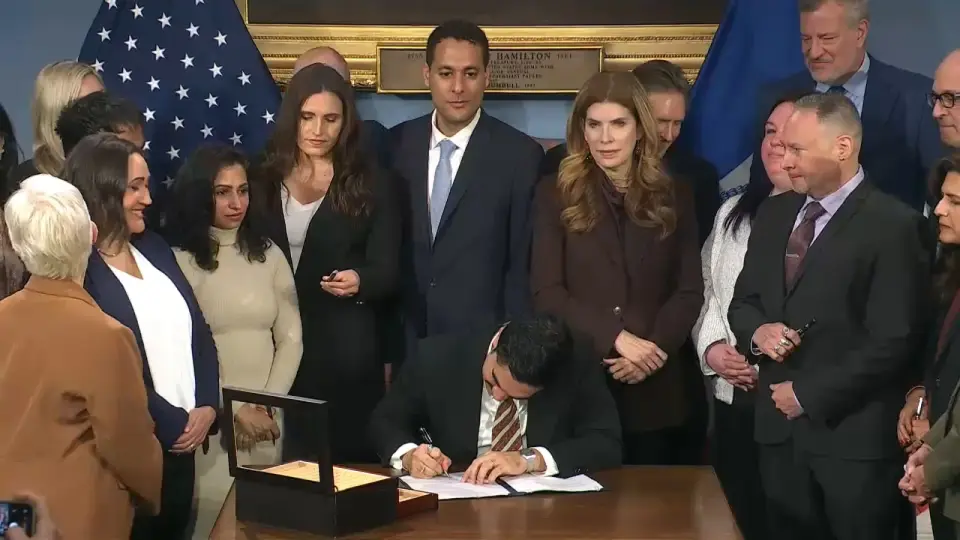
Mayor Zohran Mamdani signed legislation banning horse-drawn carriages in New York City by June 1, 2028. The measure, named after 18-year-old Romanch Mahajan who died in a June accident, ends a 150-year tradition. The administration plans to support approximately 200 affected workers through medallion buybacks and job training, though the Transport Workers Union has filed a lawsuit challenging the ban as unconstitutional.
Key points
- The law, known as Romanch’s Law, mandates the end of the horse-drawn carriage industry by June 1, 2028, and immediately halts the issuance of new licenses.
- The legislation is named after Romanch Mahajan, an 18-year-old tourist who died in June after being thrown from a carriage in Central Park due to a spooked horse.
- The city plans to buy back 68 medallions, valued at approximately $400,000 each, and provide workforce development programs for the roughly 200 to 300 affected workers.
- The Transport Workers Union filed a class-action lawsuit in Manhattan federal court minutes after the signing, arguing the ban is unconstitutional and fails to provide guaranteed compensation.
- The law also prohibits carriage owners from selling their horses to operators in other cities or states where rides are permitted.
Background
The ban follows decades of animal rights activism and previous failed attempts by former Mayor Bill de Blasio to end the industry. The New York City Council passed the measure last month with a veto-proof majority, 40-7, following the fatal accident in June. The industry has operated in Central Park since 1863, with horses often dying on city streets, a practice that drew viral attention and fueled opposition.
How outlets are covering it
Supporters, including Council Member Chris Marte and the ASPCA, emphasize public safety and animal welfare, stating that no more lives should be lost to the tourist attraction. The administration highlights its commitment to supporting workers through transition plans. Conversely, the Transport Workers Union, represented by President John Samuelsen, calls the law an 'unconstitutional abomination' that strips owners of property without due process or guaranteed compensation. Union attorneys argue the city could have regulated the industry instead of banning it, and point to potential electrical hazards in the park as a cause for the fatal accident, rather than the horses themselves.
Why it matters
The signing marks the end of a 150-year-old tradition in New York City and sets a precedent for how the city handles the phaseout of traditional industries. The immediate legal challenge from the Transport Workers Union, which represents 40,000 subway and bus workers, could delay or alter the implementation of the ban and the transition plan for the affected carriage workers.
What to watch
A full transition plan for the affected workers is expected by April 2027. The city will also study alternatives, including electric carriages and pedal-assist vehicles for use in and around Central Park. The Transport Workers Union lawsuit will proceed in federal court, potentially challenging the constitutionality of the ban and the lack of guaranteed compensation for medallion owners.
- Mayor Mamdani signs Romanch's Law ending NYC horse-drawn carriage industry ABC7 New York
- Mamdani Signs Law Banning Central Park Horse Carriages WSJ
- Mayor Mamdani signs NYC's carriage horse ban after decades of animal rights activism Gothamist
- Mamdani signs carriage horse ban, triggering TWU lawsuit New York Daily News
- Central Park's horse-drawn carriage drivers sue NYC over incoming ban ABC News - Breaking News, Latest News and Videos
Want the full story? Read the original reporting
Read on ABC7 New York