
Mid-Decade Redistricting Reshapes 21 House Districts Ahead of 2026 Midterms
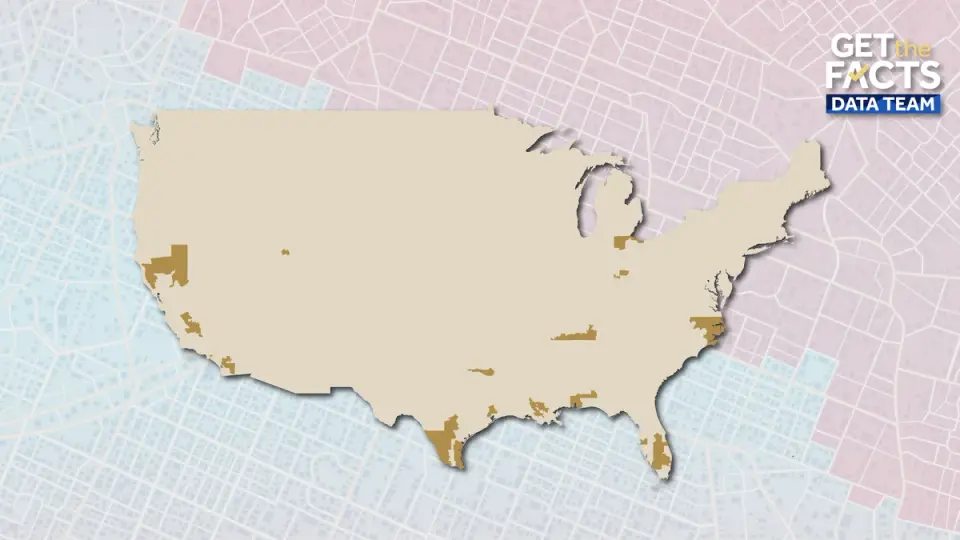
A year-long legal and political battle over mid-decade redistricting has resulted in nine states adopting new congressional boundaries for the 2026 elections. These changes affect more than 34 million voters, with 15 districts redrawn to favor Republicans and six to favor Democrats. While Texas and California led the effort, Utah’s court-ordered changes have significantly shifted the political landscape in its first district.
Key points
- Nine states are using new congressional district boundaries for the 2026 midterms, a rare occurrence between census cycles.
- The redistricting efforts resulted in a net gain of nine districts favoring Republicans, with 15 total districts redrawn in their favor versus six for Democrats.
- More than 34 million Americans, or roughly one in ten voters, have been reassigned to new districts due to these changes.
- Utah has the highest share of reassigned voters at over 69%, following court orders that ruled state Republican maps violated anti-gerrymandering laws.
- Six of the 21 targeted districts are currently rated as toss-ups, though some previously competitive areas like Ohio’s 1st district have shifted toward Democratic control.
Background
This redistricting activity occurs against a backdrop of intense competition for the 2026 House majority. Recent analyses indicate Democrats hold a significant lead in generic ballot polling, driven by economic concerns and anti-incumbency sentiment. However, party leaders and analysts debate whether Republican redistricting efforts and substantial spending will limit Democratic gains to a slim majority or allow for a larger wave. The 2026 elections will also determine control of 33 Senate seats and 36 governorships, making the House balance of power a critical component of the broader political landscape.
Why it matters
The outcome of these redistricting battles directly influences the composition of the 119th Congress and the balance of power in Washington. By altering district boundaries outside the traditional decennial cycle, states have attempted to secure partisan advantages that could impact legislative agendas on immigration, energy, and election reform. The shift in district ratings, particularly in swing states, may determine whether Democrats achieve a simple majority or a more substantial supermajority, affecting their ability to pass legislation and conduct oversight.
What to watch
The 2026 midterm elections will take place on November 3, 2026, where voters will decide the fate of all 435 House seats. The final impact of the redistricting changes will be evident in the election results, particularly in the six toss-up districts and the newly drawn areas in Texas, California, and Utah. Campaign spending and voter turnout in these reassigned districts will be critical factors in determining the final House majority.
Want the full story? Read the original reporting
Read on WYFF