
Midterm rout forces Christian right to reassess political strategy
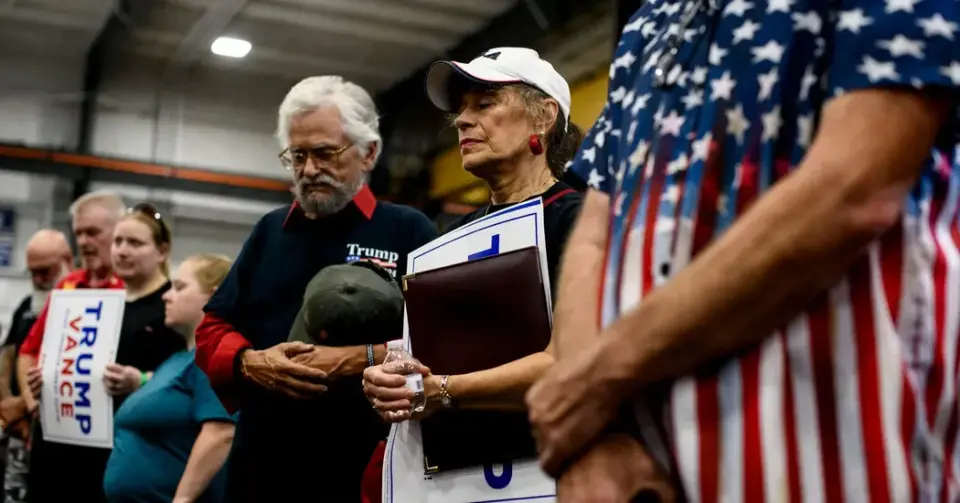
The Christian right faces a strategic crisis after suffering its largest electoral losses since the rise of Donald Trump, with Democrats winning both houses of Congress and key state offices. While some conservative voices urge withdrawal from politics, others argue for introspection and continued engagement, citing economic concerns as the primary driver of the Democratic victory.
Key points
- Democrats achieved a 'seismic' victory in the 2026 midterms, gaining control of both the House and Senate by significant margins, a result far exceeding optimistic projections.
- The Christian right, which had aligned closely with Trump’s agenda, particularly on abortion, is now grappling with the fallout, described by The New York Times as a 'crushing defeat' that weakens their grip within the Republican Party.
- Notable Democratic wins included Adam Hamilton in Kansas, Annie Andrews in South Carolina, and a sweep of statewide offices in Texas, including the governorship and Senate seat, ending decades of Republican dominance in those states.
- Analysts and exit polls attribute the shift largely to economic factors, including high gas and grocery prices, cost of living, and uncertainty regarding tariffs and immigration enforcement, rather than purely cultural or moral issues.
- Conservative evangelicals are divided on how to respond: some advocate for introspection and continued civic engagement, while others view the results as a rejection of personal responsibility in favor of government dependence.
Background
This development follows the 2024 presidential election, where Donald Trump won a multiracial coalition, including significant support from conservative Christians. The current midterms represent a sharp reversal, with voters in traditionally red states like Texas and Kansas voting for Democratic candidates. The archive notes unrelated political fragmentation in New Zealand, but the US midterms are distinct in their scale and impact on the Republican coalition.
How outlets are covering it
The New York Times frames the outcome as a strategic failure for the Christian right, suggesting their influence within the GOP has weakened and they must regroup for 2028. Christianity Today’s Daniel Darling urges conservative evangelicals to engage in introspection, questioning how to advocate for biblical priorities like religious liberty and family flourishing in a new political landscape, while warning against total disengagement. In contrast, The Richland Beacon News offers a more ideological critique, attributing the Democratic victory to voters prioritizing economic comfort over personal responsibility, which the author links to a drift toward socialism. This outlet emphasizes faith over political outcomes, arguing that Christian hope should not depend on election results. The outlets disagree on the primary cause of the shift: The Times and Christianity Today focus on coalition breakdown and policy failures, while The Richland Beacon News emphasizes economic anxiety and a perceived decline in individual responsibility.
Why it matters
The loss of Republican control in Congress and key statehouses directly impacts the ability of the Christian right to advance pro-life and pro-family policies. It signals a potential shift in the political landscape for the 2028 presidential cycle, forcing conservative religious leaders to reconsider their strategy and engagement with the Republican Party. The results also highlight the growing influence of economic issues over cultural ones in determining voter behavior, which may reshape future political alliances and policy priorities.
What to watch
Conservative evangelicals are expected to engage in internal debates about their political strategy, with some calling for a return to grassroots community engagement and others advocating for continued alignment with the Republican Party. The Democratic gains in statehouses and Congress may lead to new policy initiatives that challenge conservative positions on abortion, immigration, and social issues. The 2028 presidential race will likely see increased competition within the Republican Party as factions seek to redefine the party’s direction in light of these losses.
- ‘We Squandered an Opportunity’: The Christian Right on Its Election Rout The New York Times
- The Questions Conservative Evangelicals Should Be Asking Christianity Today
- Top reactions from Christian leaders to 'catastrophe' of midterms: 'We are under God's judgment' Christian Post
- There are Christians and then there are Christians Storm Lake Times Pilot
- Beyond the ballot box www.therichlandbeaconnews.com
Want the full story? Read the original reporting
Read on The New York Times