
Midterm Shifts Signal Potential Overhaul of U.S.-Israel Relations
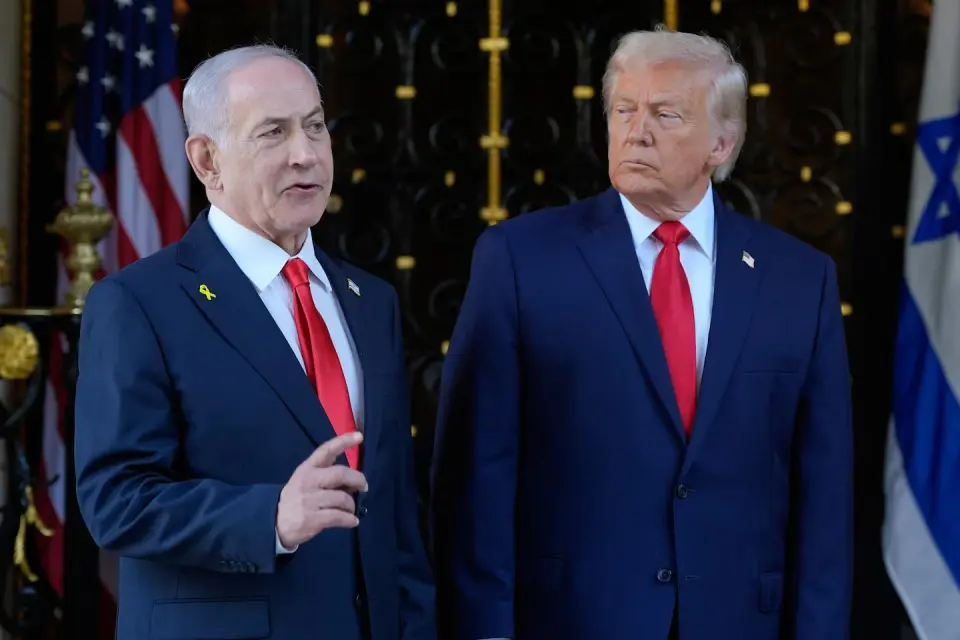
Following the 2026 midterm elections, a broad consensus is emerging across the U.S. political spectrum that the traditional alliance with Israel requires fundamental restructuring. While progressive Democrats have long pushed for restrictions on military aid, the shift is now notable for including support from the White House and prominent Republicans. This bipartisan pivot, highlighted by Vice President JD Vance’s recent calls for change, suggests a potential end to decades of robust U.S. support, though the specific mechanisms for altering this relationship remain under debate.
Key points
- A consensus is forming among progressive Democrats, the White House, and some Republicans that the U.S.-Israel alliance needs to change fundamentally.
- Vice President JD Vance, a potential 2028 presidential candidate, publicly called for ending the war against Iran and changing the relationship with Israel to help Republicans recover from midterm losses.
- President Trump announced a halt to $4 billion in annual aid to Israel, though experts note Congress controls this funding and it may be restructured rather than eliminated.
- The Democratic Party faces internal divisions over Israel, as seen in Michigan where Representative Haley Stevens withdrew support for candidate Abdul El-Sayed due to his stance on the issue.
- Analysts in Israel describe the shift in U.S. sentiment as sudden and previously unappreciated, indicating a dramatic change in diplomatic relations.
Background
This development follows President Trump’s Election Day announcement to cease $4 billion in annual aid to Israel, a move he claimed was agreed upon with Prime Minister Netanyahu. However, prior analysis noted that Congress controls this funding, suggesting the aid might be restructured into joint defense partnerships rather than fully eliminated. The current political shift builds on earlier tensions, including a 2026 incident in Dublin where a hotel canceled rooms for a diplomatic conference after inquiring about links to the Israel Defense Forces, highlighting rising international friction.
How outlets are covering it
The Washington Post frames the situation as a broad consensus emerging from progressive Democrats to the White House, suggesting a unified push for change. The New York Times emphasizes the bipartisan nature of this shift, highlighting that even Vice President JD Vance, a Republican, is calling for a change in the relationship, which contrasts with historical robust support. The Atlantic focuses on the internal Democratic divisions, noting that the issue has ruptured the party’s coalition, as seen in Michigan where a representative withdrew support for a candidate over his stance on Israel. NBC News highlights the impact on Israel, with analysts describing the shift in U.S. sentiment as sudden and dramatic, indicating a significant change in the diplomatic landscape.
Why it matters
The potential restructuring of the U.S.-Israel relationship could have profound implications for U.S. foreign policy, military aid, and regional stability in the Middle East. The bipartisan nature of this shift suggests a fundamental change in U.S. approach, moving away from decades of robust support. This could affect U.S. influence in the region and the dynamics of ongoing conflicts, including the war against Iran. Additionally, the internal Democratic divisions over this issue could impact the party’s future coalition and electoral strategy, as seen in the Michigan midterm results.
What to watch
The next steps will likely involve congressional debates over the restructuring or elimination of military aid to Israel, as Congress controls this funding. The White House and Congress may need to negotiate the specifics of how the relationship will change, potentially involving joint defense partnerships or other forms of support. The Democratic Party will need to navigate its internal divisions over Israel, which could impact its future coalition and electoral strategy. Additionally, the U.S. may need to reassess its diplomatic and military presence in the Middle East, potentially affecting regional stability and U.S. influence in the area.
- A new Congress looks to remake the U.S.-Israel relationship The Washington Post
- The Democrats’ Fight Over Israel Is Just Beginning The Atlantic
- Bipartisan Support for Israel Erodes as Both Sides Push for New Limits The New York Times
- Israel reels as midterms and Trump’s $4 billion aid cut point to dramatic shift in U.S. relations NBC News
- Stop blaming Israel for America's decisions- opinion The Jerusalem Post
Want the full story? Read the original reporting
Read on The Washington Post