
Midterm trifectas bring national popular vote compact within reach of 270 threshold
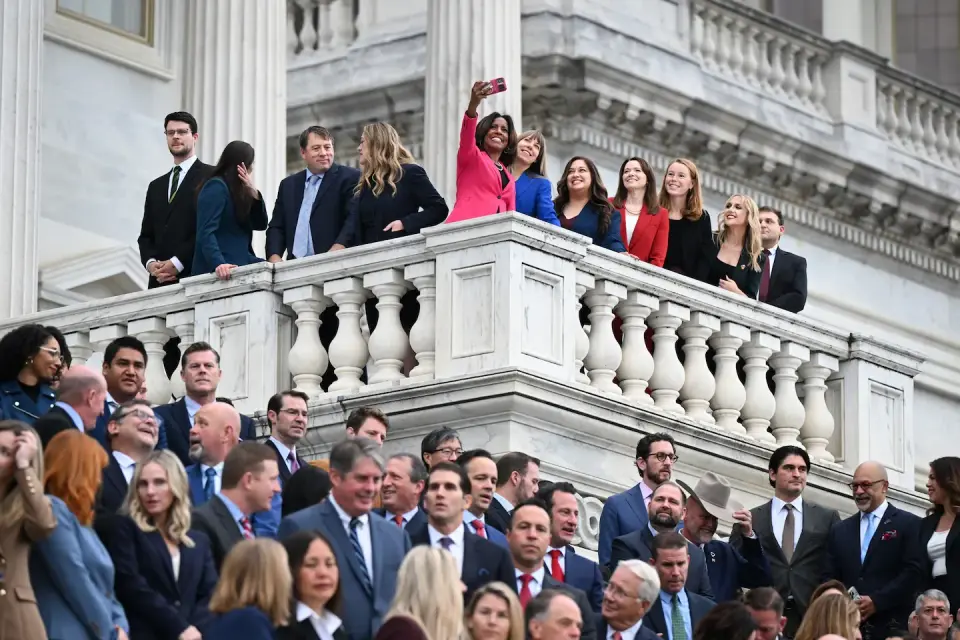
The National Popular Vote Interstate Compact, which would award electoral votes to the winner of the national popular vote, is nearing its 270-vote activation threshold after Democrats gained full control of five key state governments in the 2026 midterms. While 18 states and D.C. have already signed on with 222 votes, legal and political hurdles remain significant.
Key points
- Democrats won full control of Arizona, Michigan, Nevada, Pennsylvania, and Wisconsin, adding 61 electoral votes to the potential compact.
- The compact requires 270 electoral votes to activate; four of the five new Democratic trifectas joining would suffice.
- Legal challenges are anticipated, with opponents arguing the compact violates the Constitution and state voter residency requirements.
- Supporters argue the system is antidemocratic, while opponents warn it could marginalize smaller states and ignore the founders' intent.
Background
The push to bypass the Electoral College via the National Popular Vote Interstate Compact has been ongoing for two decades. Previous attempts, such as in Nevada in 2019, failed due to gubernatorial vetoes. The 2026 midterms marked a significant shift, as Democrats secured control of statehouses that had previously blocked or hesitated on the measure.
How outlets are covering it
The Washington Post and The New York Times emphasize the political momentum gained by Democrats, noting that the compact is now within reach. Vox highlights concerns from Akhil Reed Amar, a key architect of the plan, who worries about potential legal pitfalls. AZ Family focuses on Arizona's specific role, noting that while some Democrats support the compact, Governor-elect Katie Hobbs has not committed to signing it. Opponents, including the Wisconsin Institute for Law and Liberty, argue the compact is an illegal workaround that undermines the constitutional structure.
Why it matters
If activated, the compact would fundamentally change how U.S. presidents are elected, potentially ending the Electoral College's influence without a constitutional amendment. This could reshape campaign strategies, shifting focus from swing states to national vote totals, and trigger a wave of litigation that could reach the Supreme Court.
What to watch
Democrats in the five new trifecta states will likely introduce legislation to join the compact. Legal challenges are expected to follow, with courts potentially weighing in on the constitutionality of the compact. The outcome could determine whether the 2028 presidential election is decided by the national popular vote or the Electoral College.
- Democrats in position to end electoral college, but challenges await The Washington Post
- Democrats Now Have a Path to Sidestep the Electoral College. Would It Work? The New York Times
- Democrats plot their course on national popular vote Politico
- Arizona could play key role in push to change presidential elections AZ Family
- Democrats’ plan to scrap the Electoral College is finally within reach. One of its architects is having second thoughts. Vox
Want the full story? Read the original reporting
Read on The Washington Post