
Post-Midterm Chaos: MAGA Voters Fracture as Trump Doubles Down on Extremism
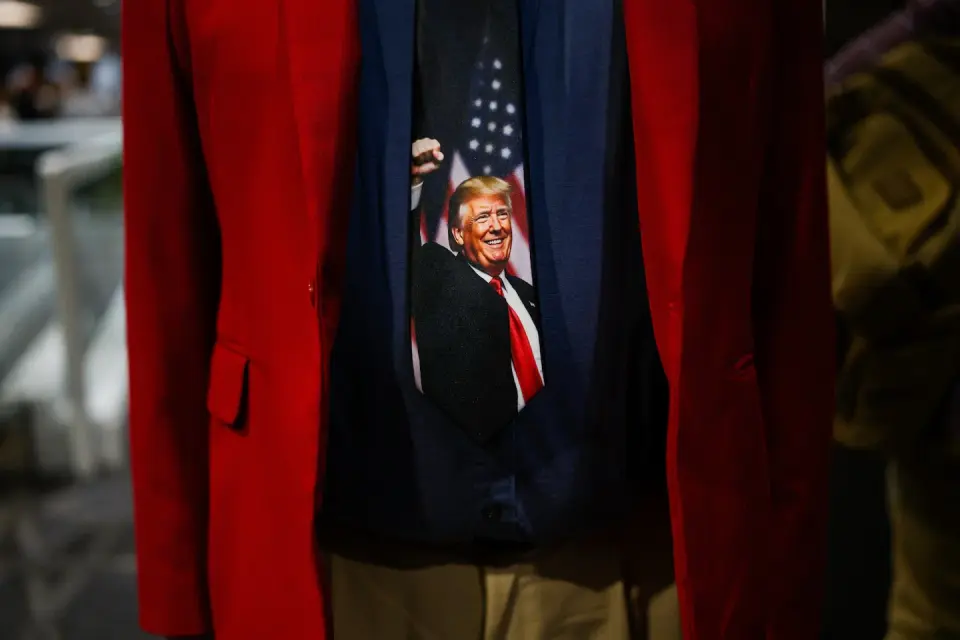
The November 2026 midterm elections resulted in a historic Democratic victory, triggering a crisis of identity within the Republican Party. While President Trump replaced Chief of Staff Susie Wiles with hardliner Stephen Miller to consolidate power, many MAGA voters and influencers are disillusioned. Key figures like JD Vance and Ron DeSantis are distancing themselves from the administration, while grassroots supporters cite the Iran war, economic strain, and immigration overreach as reasons for their disengagement. The party faces a leadership vacuum for 2028, with no clear consensus on a successor to Trump.
Key points
- Democrats won a decisive majority in the November 3 midterms, flipping states like Ohio and defeating candidates backed by Turning Point USA.
- Trump replaced Chief of Staff Susie Wiles with Stephen Miller, a figure described by critics as an extremist who spearheaded aggressive immigration policies.
- JD Vance blamed the election loss on the Iran war, while Ron DeSantis called the results a direct rebuke of Trump’s leadership.
- Grassroots voters in Ohio, including former 'Front Row Joes,' are abandoning the party due to the Iran conflict, economic costs, and perceived betrayal of 'America First' promises.
- MAGA-aligned influencers are facing financial and ideological uncertainty, with some taking breaks from content creation due to waning novelty and audience fatigue.
Background
The 2026 midterms followed a period of intense internal GOP conflict, highlighted by Trump’s use of taxpayer funds for pro-presidency ads via his super PAC, MAGA Inc. Prior polling indicated a historic Democratic surge driven by Trump’s low approval ratings and a fractured party leadership. The election results confirmed these trends, marking a sharp decline in Republican support in traditionally conservative areas like Pike County, Ohio, where the margin of victory shrank from over 50 points in 2024 to just over 30 points in 2026.
How outlets are covering it
The Washington Post emphasizes the human element of the MAGA collapse, highlighting individual voters like Rick Frazier and Heather Romine who are disengaging due to economic strain and the Iran war. It notes that while some support Ron DeSantis, many are unsure who can replace Trump’s unique appeal. The Guardian focuses on the institutional hardening of the GOP, arguing that Trump’s appointment of Stephen Miller signals a doubling down on extremism rather than a pivot. It highlights the conflict between the MAGA base, which wants more of the same, and mainstream Republicans seeking moderation. The New York Times views the midterms as the beginning of the end of Trumpism, suggesting that Republicans will attempt to return to respectability, though it questions the sincerity of figures like JD Vance. Yahoo focuses on the economic and cultural fallout for MAGA influencers, noting that the loss of novelty and financial uncertainty are driving a 'changing of the guard' in right-wing media, with some creators reclaiming an 'underdog' status by criticizing the party establishment.
Why it matters
The midterm results expose a fundamental rift in the Republican coalition, threatening the party’s viability in the 2028 presidential cycle. The shift toward hardline figures like Stephen Miller suggests that the GOP may prioritize ideological purity over electoral viability, potentially alienating moderate voters. Meanwhile, the disengagement of working-class and rural voters, who formed the backbone of the MAGA movement, could lead to a long-term decline in Republican support in key swing states. The lack of a clear successor to Trump creates a power vacuum that may be filled by either extreme figures or a new generation of populist leaders, reshaping the American political landscape.
What to watch
The Republican Party will likely face internal struggles to define its direction for 2028, with figures like JD Vance and Ron DeSantis vying for influence. Trump’s consolidation of power through Stephen Miller may lead to further polarization, while the Democratic majority in Congress will likely push for accountability measures regarding the Iran war and immigration policies. The future of MAGA-aligned media and influencers will depend on their ability to adapt to a changing political landscape, with some potentially pivoting to more independent or anti-establishment stances.
- Trump’s GOP was all they knew. Now some wonder if MAGA is dead. The Washington Post
- The Guardian view on Maga after the midterms: doubling down on Trumpism | Editorial The Guardian
- Opinion | JD Vance Needs to Stop Trying The New York Times
- MAGA influencers reel after midterm rout of Trump's Republicans Yahoo
- Opinion | The MAGA Coalition Disintegrates WSJ
Want the full story? Read the original reporting
Read on The Washington Post