
Midterm Voters Face Rising Costs as Trump's Affordability Promise Fails
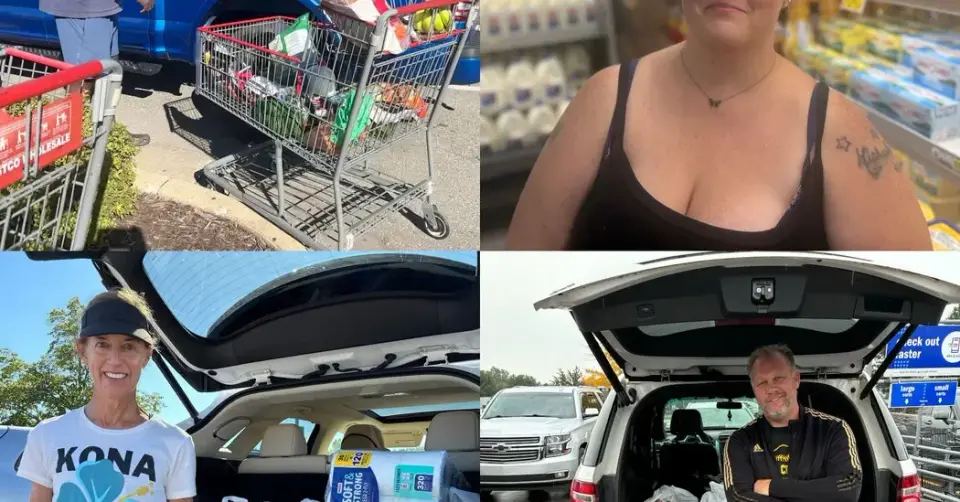
As the 2026 midterms approach, Trump supporters are grappling with rising costs for groceries, gas, and energy, contradicting his 2024 campaign promises. While some voters remain loyal, others express frustration over the gap between his pledges and their financial reality.
Key points
- Grocery prices have risen 4% since November 2024, following a 23% increase in the prior four years, driven by tariffs and higher diesel costs.
- Gasoline prices surged 47% to $4.37 per gallon after the February conflict with Iran, with diesel reaching a record $6.53 per gallon.
- A CBS News poll found that 90% of Americans cite prices as the most important factor shaping their economic views, despite low unemployment.
- The White House argues that its policies have created jobs and cut drug prices, but critics note that tariffs and the Iran conflict have exacerbated inflation.
- Voters in deep-red areas like Bullhead City, Arizona, report that rising expenses are outpacing paychecks, testing the limits of their support for the administration.
Background
This economic strain follows a period of rising bond yields and growing economic anxiety, which has already fractured Trump's Latino coalition. Earlier reports highlighted that 63% of voters believed the administration worsened the economy, setting the stage for current frustrations over the cost of living.
How outlets are covering it
The New York Times and The Atlantic emphasize the human toll on Trump voters, highlighting personal stories of financial hardship and the erosion of trust. CBS News provides a data-driven analysis, showing that while some costs like car insurance have dipped, others like groceries and gas have risen sharply, contradicting campaign promises. The Washington Post focuses on the political implications, noting that rising costs are testing the affordability message in deep-red areas. The outlets differ in their emphasis: The Atlantic and NYT focus on individual experiences, while CBS News and The Washington Post highlight broader economic data and political consequences.
Why it matters
The disconnect between Trump's 2024 promises and the current economic reality is likely to influence voter behavior in the 2026 midterms. Rising costs for essential goods could shift support away from the Republican Party, particularly in key battleground states, and impact the administration's ability to maintain its political base.
What to watch
Voters will likely weigh their economic experiences against political loyalties in the November 2026 midterms. The administration may face increased pressure to address inflation and cost-of-living issues, while opposition parties may capitalize on voter frustration. The outcome of the midterms could determine the balance of power in Congress and the administration's ability to implement its economic agenda.
- They Voted for Trump. How Are They Feeling About High Grocery Prices? The New York Times
- In this deep-red city, rising costs test Trump’s affordability message The Washington Post
- Going Hungry in Trump’s Economy The Atlantic
- Trump promised to lower prices for Americans. Here's what the data shows. CBS News
- Trump was trying to force prices lower ahead of the midterms. But Iran gets a vote, too CNN
Want the full story? Read the original reporting
Read on The New York Times