Tag

Grocery Prices

All articles tagged with #grocery prices

politics1 day ago

Trump’s beef plan tests affordability posture as midterms near

Trump proposes temporarily suspending duties on 300,000 metric tons of imported beef to deliver a 25% price cut for consumers, a move he says will lower grocery costs ahead of the midterms, but it drew backlash from farm-state Republicans and ranchers who felt blindsided; analysts warn any price drop may be limited by tight cattle supplies and higher input costs amid the Iran war, with potential long-term consequences for U.S. herd growth.

Lettuce prices tumble on cyclospora fears as shoppers steer clear
business12 days ago

Lettuce prices tumble on cyclospora fears as shoppers steer clear

Lettuce prices fell 16.4% in July—the largest month-over-month drop on record—driven by consumer caution amid a multistate cyclospora outbreak, even as the year-over-year price rise remains around 7.5%. The FDA linked the outbreak to iceberg lettuce from a Taylor Farms facility in central Mexico, prompting recalls and weaker sales at several restaurant chains while the broader grocery-price category saw only a small overall increase. Analysts note relief for shoppers, but ongoing safety concerns limit how much demand rebounds in the near term.

Trump's Grocery Price Claim Faces Reality Check: Eggs Are Bucking the Trend
economy20 days ago

Trump's Grocery Price Claim Faces Reality Check: Eggs Are Bucking the Trend

Trump claimed grocery costs are ‘way down,’ but HuffPost’s fact-check finds the drop is limited to eggs; overall grocery prices are still rising. The USDA/ERS forecasts a 2.7%–3.9% increase in 2026 for groceries, with eggs being the standout exception. Beef, produce, fats and oils, and nonalcoholic drinks continue to climb, and the White House did not comment.

1960s Grocery Prices Revisited in Today's Dollars
lifestyle1 month ago

1960s Grocery Prices Revisited in Today's Dollars

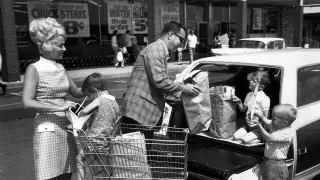
A look back at vintage 1960s grocery ads shows prices that seem tiny today, but inflation reveals a more mixed picture: some staples cost roughly the same after adjustment, while others are significantly pricier now. Examples cited include sirloin steak at 78 cents a pound in 1966 (about $7.95 today vs roughly $17.99 now) and eggs at 55 cents a dozen (about $5.60 today, with some current offers around $1.59), alongside cheaper butter, milk and ice cream post-inflation. The piece also recalls big 25-pound potato bags, oleo, and the S&H Green Stamps era, fueling nostalgia and social-media debates about true cost of living then versus now.

Walmart slashes summer BBQ prices as Trump claims credit for the cuts
business1 month ago

Walmart slashes summer BBQ prices as Trump claims credit for the cuts

Walmart is rolling back prices on summer BBQ staples (ground beef, ribs, soda, corn, cherries) with beef rollbacks around 12% to $5.94/lb and beverage/paper products discounting as part of seasonal promos; Sam’s Club is also discounting hundreds of items. President Trump says the cuts were made at his administration’s request to celebrate the country’s 250th birthday, a claim Walmart did not comment on. The move fits the usual seasonal price-rollbacks grocers run in summer, set against ongoing grocery-price inflation and beef-supply factors like drought.

Gas, groceries and flights likely stay pricey after Iran conflict ends
world-news2 months ago

Gas, groceries and flights likely stay pricey after Iran conflict ends

Analysts say relief from high prices for gas, groceries, and air travel won’t arrive quickly even if the Iran war ends, because energy shocks cascade through food costs, fertilizer supply, and shipping; US grocery prices are projected to rise about 3.2% this year, while fertilizer and fuel costs remain elevated and freight surcharges persist, keeping inflationary pressure in play into 2026.

December grocery prices surge to the sharpest monthly jump since 2022
economy7 months ago

December grocery prices surge to the sharpest monthly jump since 2022

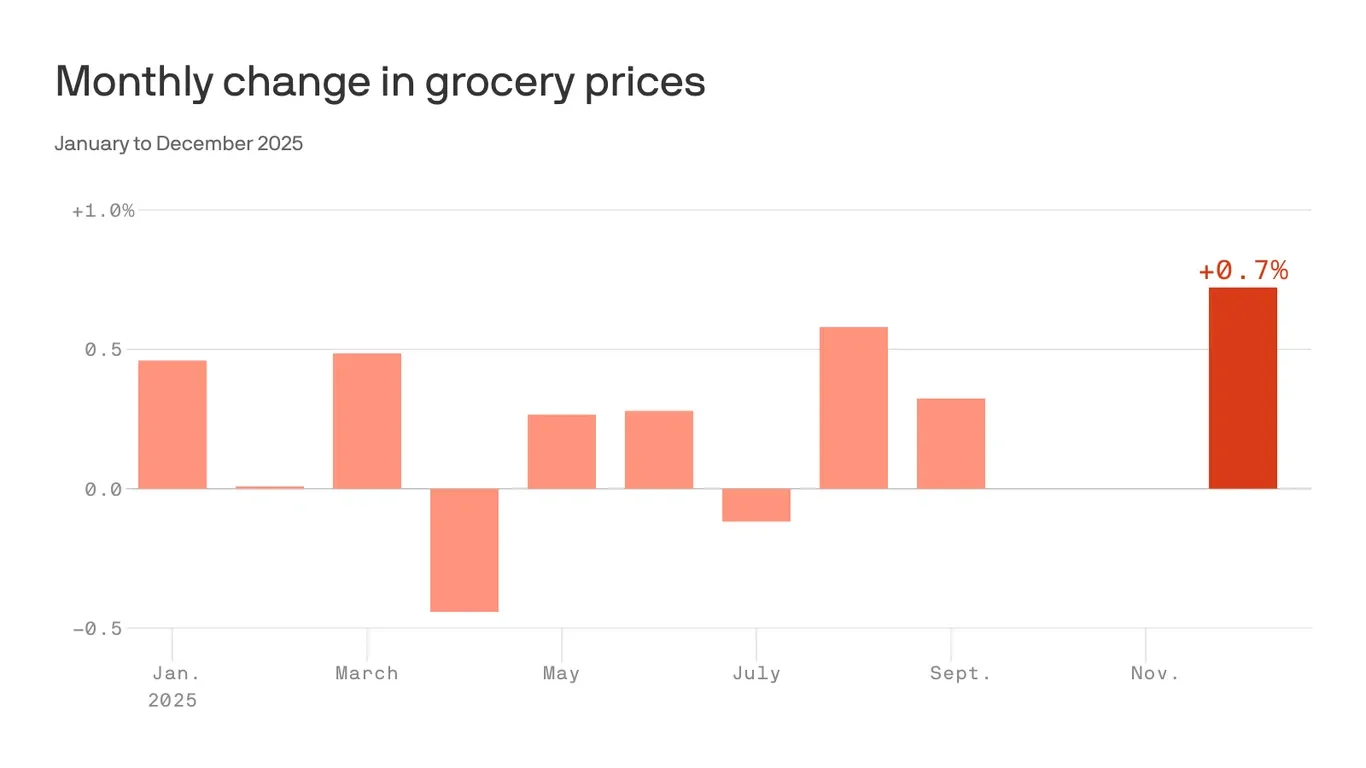
December grocery prices rose 0.7%, the fastest monthly gain since August 2022, with food-at-home up about 2.4% year over year; eggs fell more than 20% from a year ago after tariff rollbacks, but staples such as coffee, beef and candy rose double digits. The overall CPI was up 2.7% YoY and core inflation 2.6%, signaling ongoing price pressures for households even as inflation cools from its peak. Contributing factors include higher labor costs and supply disruptions from weather, disease, and the war in Ukraine, with tariffs playing a role in some price changes.

Major Retailers Offer Cheaper Thanksgiving Deals Amid Budget Concerns
business9 months ago

Major Retailers Offer Cheaper Thanksgiving Deals Amid Budget Concerns

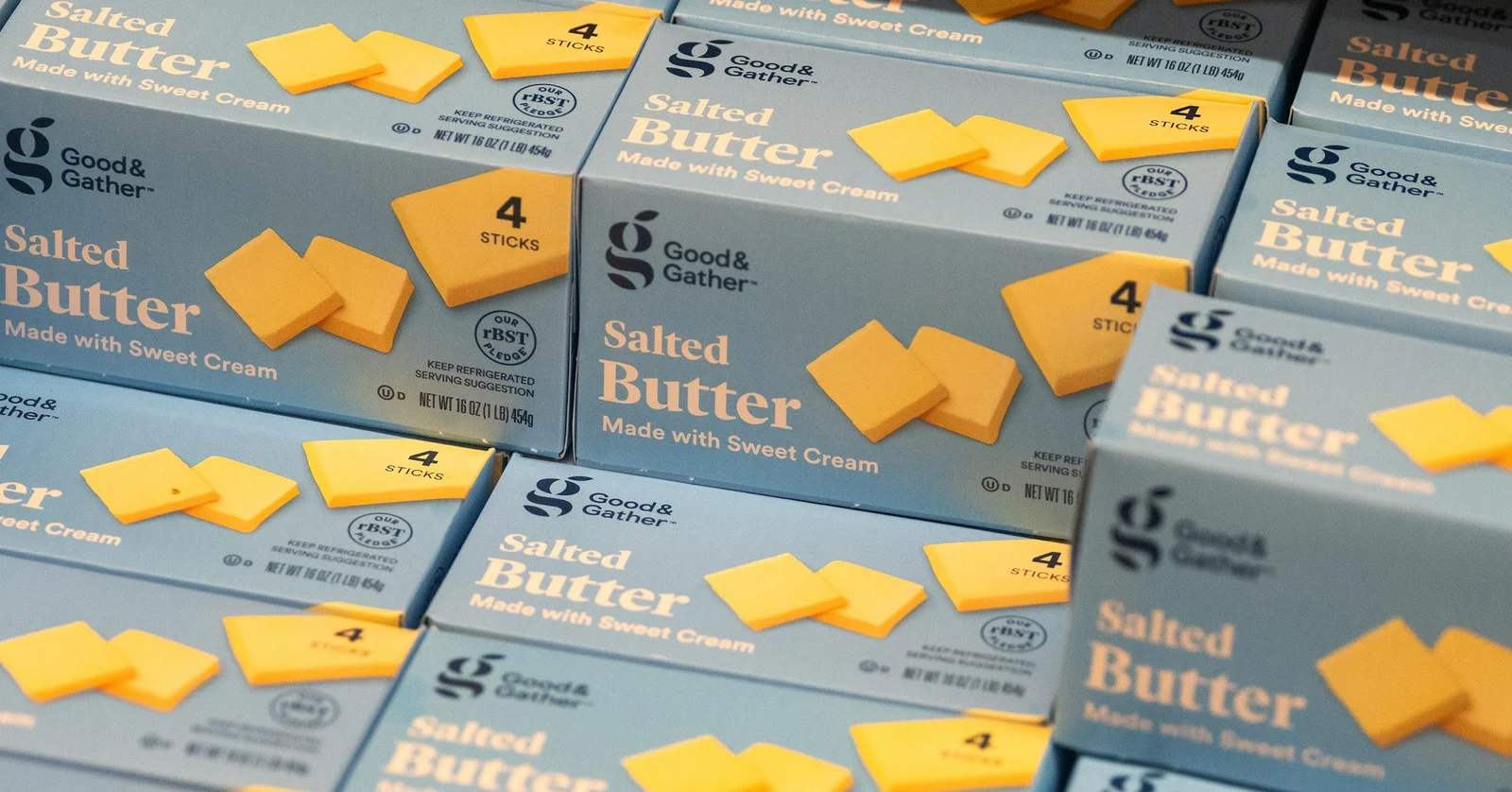
Target and other retailers are lowering prices on essential food items like milk, eggs, and butter ahead of the holiday season to help consumers manage tight budgets amid economic uncertainty and delays in SNAP benefits caused by a government shutdown. These price cuts aim to attract shoppers and offset increased demand, with some stores also reviving holiday promotions to boost sales. The situation highlights ongoing financial struggles for many Americans despite reports of a strong economy.

Rising Grocery Prices Challenge Trump's Inflation Claims
politics9 months ago

Rising Grocery Prices Challenge Trump's Inflation Claims

The article criticizes President Trump for falsely claiming that grocery prices are down, highlighting that inflation for food has actually increased due to tariffs he imposed, which have raised costs on imports like coffee and seafood. Experts and statistics show that prices are rising faster under his trade policies, contradicting his claims, and emphasizing the widespread impact on American consumers.

Fact check: Grocery prices and inflation realities
fact-checking10 months ago

Fact check: Grocery prices and inflation realities

New inflation data shows grocery prices have increased since Trump took office, contradicting his claims that they are 'way down.' Prices rose 0.3% from August to September and are about 2.7% higher than a year ago, with broad increases across most categories. Experts attribute some of the rise to tariffs and trade policies implemented during his administration.