
Military Boards Defy Hegseth by Retaining Trans Troops
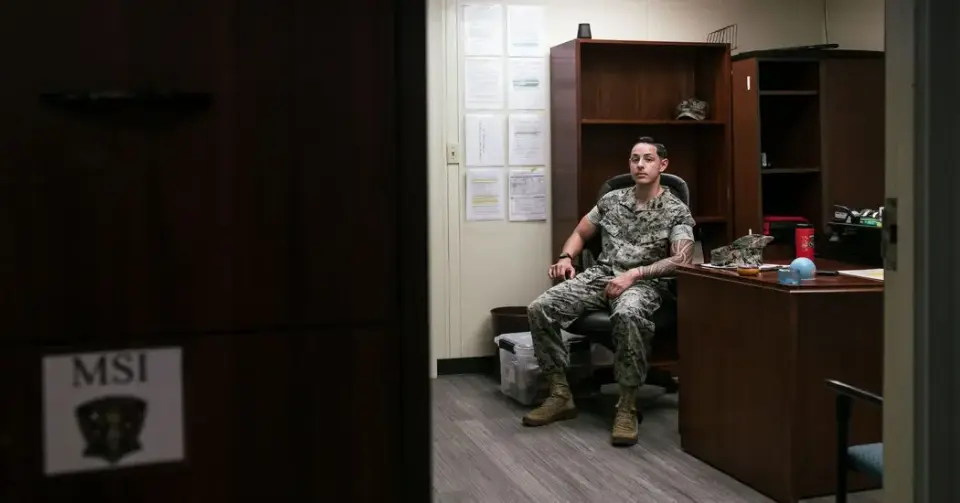
Defense Secretary Pete Hegseth announced the removal of transgender service members, but internal review boards at Marine and Navy bases are largely rejecting these orders. While the administration claims trans troops are a burden, military panels are voting to keep them, defying executive mandates.
Key points
- Hegseth used a slur in September to announce the purge of transgender troops to an audience of Marines.
- The Pentagon established review boards with narrow instructions designed to ensure dismissals.
- Despite the orders, boards at Marine Corps Base Quantico and in the Navy are voting to retain service members.
- Nine out of twelve individuals brought before these specific boards have been approved to stay.
- The Air Force is not participating in this defiance, with trans personnel being discharged rapidly there.
- Hearings are conducted in secret, with spouses prohibited from attending, and the Pentagon refuses to release total numbers.
Background
This development follows a series of controversies involving Defense Secretary Pete Hegseth, including the Iran War casualty disputes and the Paul Brothers Pentagon visit. The current defiance by military boards contrasts with the administration's broader push for strict adherence to orders, as seen in the earlier dispute with Senator Mark Kelly regarding the Uniform Code of Military Justice.
How outlets are covering it
The New York Times frames the board actions as a 'stunning rebuke' of the administration, highlighting the quiet defiance by uniformed service members. Alternet emphasizes the legal obligation under the UCMJ to refuse unlawful orders and notes the political fallout, including Trump's previous demand to put legislators on trial for similar statements. Both sources agree on the core facts of the board decisions but differ in emphasis: The Times focuses on the operational contradiction within the military structure, while Alternet highlights the broader political and legal implications of defying executive orders. The sources also note a divergence between branches, with the Air Force complying with dismissals while the Navy and Marines resist.
Why it matters
This internal resistance signals a potential fracture between the executive branch and the military establishment regarding personnel policies. It challenges the administration's authority to enforce ideological purges through administrative means and highlights the legal and ethical boundaries of military obedience.
What to watch
The Pentagon is likely to face increased scrutiny regarding the transparency of these hearings and the consistency of decisions across different branches. The administration may attempt to override the board decisions or replace the members of the panels to ensure compliance with the original orders.
- Hegseth Barred Trans Troops. Military Boards Are Rejecting Those Orders. The New York Times
- Navy, Marine Boards Reject Transgender Troop Ousters Yahoo
- Military families warn Congress in dire terms: Attacking our trans kids is costing you troops Advocate.com
- Military boards have been quietly defying Trump’s orders Alternet
- Military families warn Congress anti-trans policies are causing early retirements & derailed careers LGBTQ Nation
Want the full story? Read the original reporting
Read on The New York Times