
Supreme Court Halts Lower Court Order, Allowing New Hampshire to Bar Student IDs for Midterms
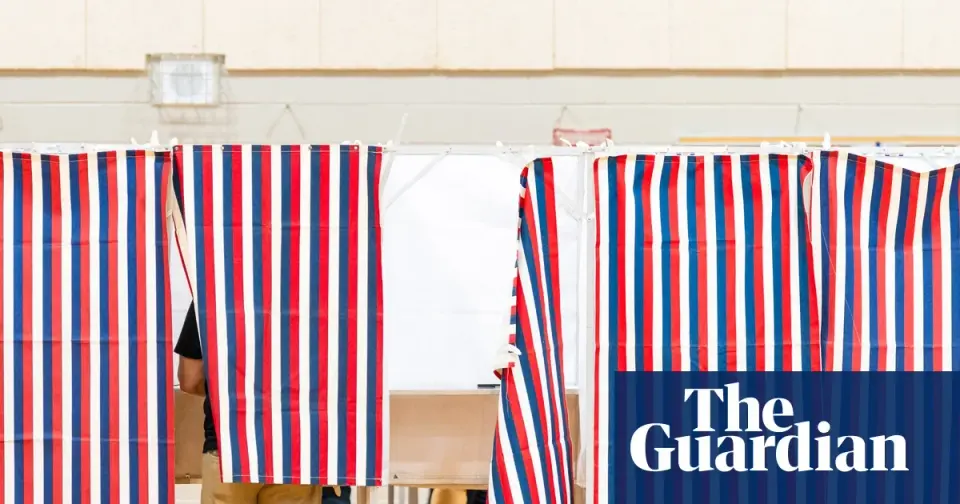
The US Supreme Court issued an emergency stay on October 22, allowing New Hampshire to enforce a ban on using student IDs as backup voter identification ahead of the November midterms. The court relied on the Purcell principle, which discourages altering election rules close to Election Day. Justice Ketanji Brown Jackson was the sole public dissenter, arguing the lower court merely corrected misleading state guidance rather than changing the law. The ruling impacts a closely contested Senate race in New Hampshire, where control of the chamber is at stake.
Key points
- The Supreme Court granted an emergency stay requested by New Hampshire Secretary of State David Scanlan, reversing a lower court order that had blocked the state’s directive to exclude student IDs from backup verification procedures.
- The underlying dispute stems from HB 323, a law signed by Governor Kelly Ayotte in April that removed student IDs from the list of accepted photo IDs, with the ban taking effect in June.
- The Coalition for Open Democracy challenged the directive, arguing it discriminates against young voters who may lack other government-issued identification, while Republicans cited the need to combat voter fraud.
- Justice Ketanji Brown Jackson dissented, stating that the lower court’s order was a 'targeted' correction of misinformation and did not violate the Purcell principle’s intent to prevent public confusion.
- The decision is not a final judgment on the merits; litigation continues as the state’s appeal moves forward through the federal courts.
Background
New Hampshire has required voter ID since 2012. This latest dispute follows a broader national debate on voter ID laws, which Republicans argue are necessary to prevent fraud, while voting rights advocates contend such laws disenfranchise low-income and rural voters. The state’s Senate race is currently rated as leaning Democratic, making the impact on young voters potentially significant for the outcome.
How outlets are covering it
The Guardian and The New York Times framed the decision as a victory for Republicans and a setback for voting rights advocates, emphasizing the lack of evidence for widespread voter fraud. Fox News highlighted Justice Jackson’s dissent and noted the potential impact on the close Senate race, while also mentioning that some Democrats, like Texas nominee James Talarico, support student ID acceptance. SCOTUSblog provided a neutral procedural analysis, detailing the legal arguments from both sides regarding the Purcell principle and the distinction between blocking a law versus correcting executive guidance. All sources agreed on the core facts of the ruling and the dissent, but differed in their emphasis on the political implications and the legal nuances of the lower court’s order.
Why it matters
The ruling sets a precedent for how the Supreme Court will handle challenges to voter ID restrictions in the final weeks before an election. It underscores the tension between the Purcell principle and voting rights litigation, potentially influencing similar cases in other states. The outcome could affect turnout among young voters in New Hampshire, a state with a competitive Senate race that could determine control of Congress.
What to watch
The case will proceed through the federal appeals process, with the 1st Circuit Court of Appeals expected to hear arguments on the merits. The Coalition for Open Democracy may continue to challenge the law, while state officials will enforce the ban during the November elections. The Supreme Court may issue a final ruling on the constitutionality of HB 323 in the future, but the immediate impact is the enforcement of the ban for the 2026 midterms.
- US supreme court sides with Republicans on rejecting student IDs in New Hampshire midterms The Guardian
- Jackson again publicly breaks with Supreme Court as justices side with GOP in last-minute voter ID fight Fox News
- Supreme Court allows New Hampshire to restrict use of student IDs in voting SCOTUSblog
- Supreme Court Backs Republicans in New Hampshire Voter-ID Clash Bloomberg.com
- Supreme Court Allows Blanket Ban on Student IDs at Polls in New Hampshire The New York Times
Want the full story? Read the original reporting
Read on The Guardian