
White House Grants Select Canadian Tariff Exemptions to Aid Maine Agriculture
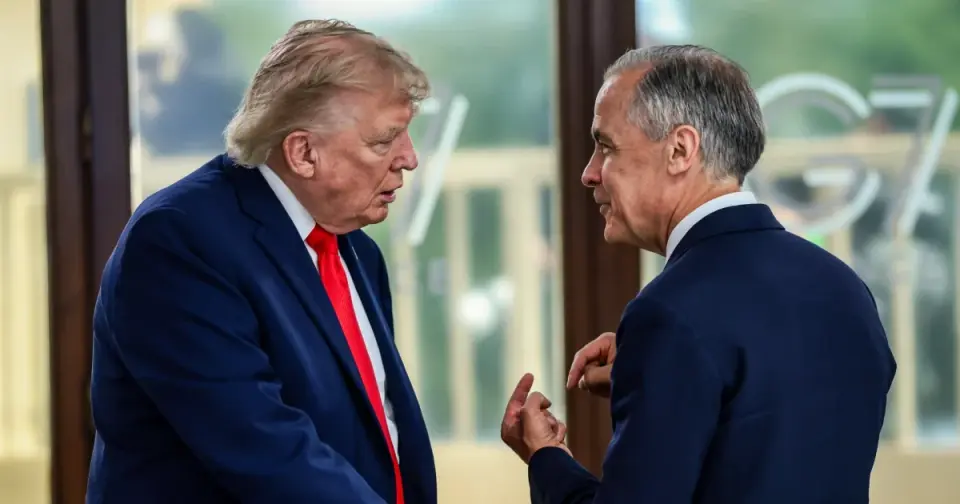
The Trump administration has granted exemptions from 50% tariffs on specific Canadian agricultural inputs, a move that directly benefits Maine’s economy and incumbent Senator Susan Collins ahead of the November 3 midterms. While the White House framed the action as a refinement of trade policy, critics view it as a concession to protect vulnerable Republican candidates in competitive border states.
Key points
- The administration canceled 50% duties on nine categories of Canadian goods, including blueberries, potatoes, apples, seaweed, and specialized packaging equipment.
- Senator Susan Collins (R-Maine) announced the exemptions, citing the lack of American alternatives for critical agricultural machinery and materials.
- The White House simultaneously imposed new tariffs on valves, carpets, and waste products to offset the revenue loss from the exemptions.
- This move follows previous public breaks by Republican candidates, such as Michigan’s Mike Rogers, who have criticized the trade war as economically damaging.
- The exemptions come as polls indicate Democrats have a strong chance of winning majorities in both the House and Senate.
Background
The U.S.-Canada trade dispute escalated in late August after Canada withdrew from negotiations, leading to two waves of U.S. tariffs, the second including 50% duties. Prior to this week, economic hardship in northern states like Maine and Michigan had intensified political anxiety, with logging and fishing industries suffering. Republican candidates in these states had increasingly distanced themselves from the administration’s trade agenda, with Michigan nominee Mike Rogers explicitly calling for an end to the tariffs in October. This latest exemption represents a tactical adjustment to mitigate local economic pain before the midterms.
How outlets are covering it
NBC News frames the tariff exemptions as an implicit acknowledgment that the administration’s trade policy is hurting Republican candidates, noting that the move aligns with broader Democratic gains in polls. The outlet highlights the contradiction between President Trump’s previous assertions that the U.S. needs nothing from Canada and the current concessions. Politico emphasizes the political utility of the move for Senator Collins, describing it as a last-minute boost in her reelection battle against Democrat Troy Jackson. While NBC focuses on the broader trade policy implications and the White House’s simultaneous imposition of new duties on other goods, Politico centers on the specific relief for Maine’s agricultural sector and the uncertainty regarding its impact on Collins’ odds. Both outlets agree that the exemptions target goods crucial to rural and coastal economies but differ in their emphasis on the political versus economic motivations behind the decision.
Why it matters
The exemptions signal a potential shift in the administration’s approach to trade policy as it navigates the midterm elections. By targeting specific agricultural inputs, the White House aims to alleviate economic pressure in key Republican states without fully reversing the broader tariff structure. This move may influence voter sentiment in competitive border states and could set a precedent for future trade negotiations with Canada, especially as Prime Minister Mark Carney pursues new trade agreements with the European Union, China, and India.
What to watch
Senator Collins has indicated she will continue working with administration officials to seek additional relief and a broader trade agreement with Canada. The White House may face further pressure from other Republican candidates in competitive states to expand exemptions or reduce tariffs. The outcome of the November 3 midterms will likely determine the extent to which the administration adjusts its trade policy in response to voter sentiment. Additionally, Canada’s ongoing negotiations with the European Union and other global partners may influence future U.S.-Canada trade dynamics.
- Trump administration cancels some Canada tariffs, Sen. Susan Collins says NBC News
- US to remove 50% tariffs on some Canadian goods to help Republicans in midterms, WSJ reports Reuters
- Tariffs to drop on some Canadian goods, says U.S. senator CTV News
- Trump to lower Canada tariffs for certain agricultural goods, Collins says Politico
- World in Brief: Trump to cut more Canada tariffs; Stock markets stumble The Economist
Want the full story? Read the original reporting
Read on NBC News