
Miller Memo Decentralizes Cabinet Control, Igniting Mexico Tensions and Voter Strategy Shifts
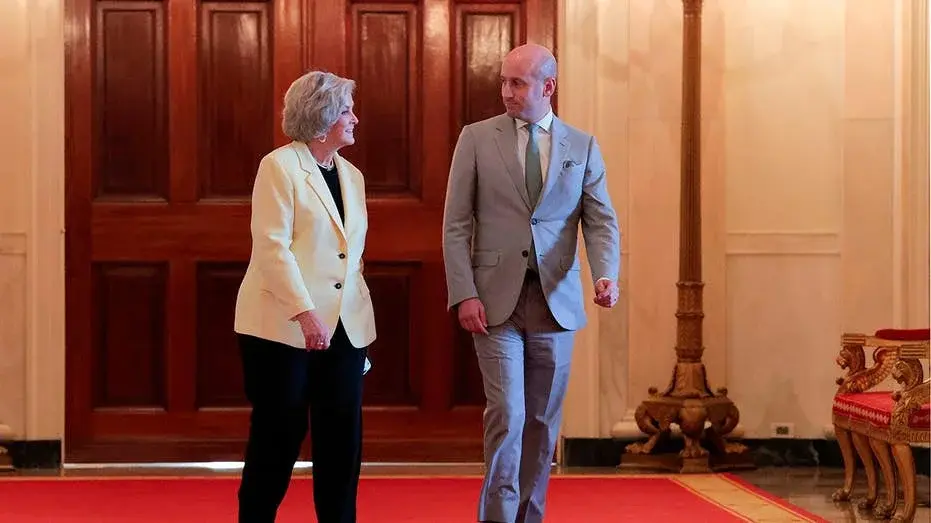
Stephen Miller’s new White House memo decentralizes communications control, ending Susie Wiles’ centralized oversight. While Miller focuses on winning back young voters, Democrats reject cooperation, and Mexico fears heightened tensions.
Key points
- Miller’s memo restructures the White House, replacing the Cabinet Secretary role with a Director of Cabinet Relations to support rather than control agency messaging.
- Sources describe Wiles’ previous approach as 'absolute control' via threats, whereas Miller’s shift allows Cabinet leaders to manage their own communications.
- Miller aims to recover support from young and minority men who shifted to Democrats in the 2026 midterms, focusing on economic issues and anti-'woke' policies.
- Mexico expresses alarm over Miller’s appointment, fearing increased pressure on migration and drug cartels, with some officials worrying about potential U.S. military action.
- Democrats, including House Minority Leader Hakeem Jeffries, have stated they have 'zero interest' in working with Miller, complicating his legislative agenda.
Background
Miller replaced Susie Wiles as chief of staff on November 9, 2026, following the Republican Party’s historic losses in the 2026 midterm elections, where Democrats gained control of both chambers of Congress. The appointment was viewed by critics as a signal of increased confrontation with the new Democratic-led Congress, while allies argued it was necessary to defend the president’s agenda against a hostile legislature.
How outlets are covering it
Fox News and 930 WFMD emphasize the internal shift in communications control, describing Wiles’ previous management as a 'chokehold' and Miller’s new approach as 'unleashing the Cabinet.' Axios highlights Miller’s strategic focus on regaining support from young and minority men, noting a 36-point shift in this demographic during the midterms. Conversely, Politico focuses on the international fallout, reporting that Mexico is 'not thrilled' about Miller’s appointment due to fears of escalated tensions over migration and drug cartels. While Fox and Axios frame the change as a positive streamlining of operations, Politico and Democratic leaders view Miller’s hardline stance as a source of conflict both domestically and abroad.
Why it matters
The decentralization of communications control could lead to more fragmented messaging from the administration, potentially affecting public perception of policy. Miller’s focus on specific voter demographics may influence future campaign strategies, while the lack of bipartisan cooperation could stall key legislative initiatives. Additionally, heightened tensions with Mexico could impact trade and security relations, with potential repercussions for migration and drug enforcement efforts.
What to watch
Miller will likely push for executive orders to advance his agenda, given the Democratic control of Congress. He may also seek bipartisan cooperation on issues like permitting reform, though this could be challenging given his unpopularity among Democrats. Internationally, Mexico may prepare for increased pressure on migration and drug cartels, potentially leading to further diplomatic tensions. Domestically, the administration may face scrutiny over its communication strategies and policy priorities as it navigates a hostile legislative environment.
- Stephen Miller’s internal memo unleashes Trump agencies after ‘absolute control’ under Wiles’ reign 930 WFMD Free Talk
- Scoop — Stephen Miller's post-midterm focus: MAGA and men Axios
- Mexico is not thrilled about Stephen Miller’s new job Politico
- Stephen Miller's internal memo unleashes Trump agencies after 'absolute control' under Wiles' reign Fox News
- Democrats deeply skeptical Trump wants to work with them after his elevation of Stephen Miller NBC News
Want the full story? Read the original reporting
Read on 930 WFMD Free Talk