
Minnesota Farmers Split on Democratic Midterm Sweep as Klobuchar Pledges No Tax Hikes
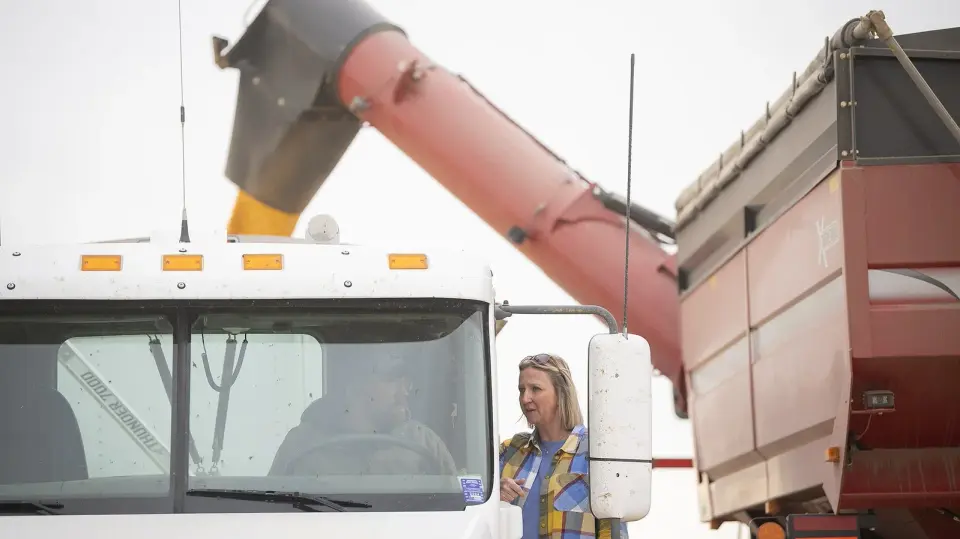
Minnesota farmers reacted with mixed emotions to the 2026 Democratic 'blue wave,' which secured majorities in the U.S. Congress and the state legislature. While some rural voters expressed frustration with perceived out-of-touch policies and fiscal spending, others welcomed the shift as a check on extreme rhetoric. Governor-elect Amy Klobuchar has pledged not to raise taxes, creating potential tension with legislative leaders seeking funding for affordability programs. Farmers across the state remain focused on long-term trade deals and export markets rather than short-term bailouts.
Key points
- Democrats achieved a 'trifecta' in Minnesota, holding a 20-seat majority in the House and an 11-seat majority in the Senate for the 2027 session.
- Steele County farmer Jason Keck criticized the DFL for overspending and failing to address property taxes, fearing fiscal irresponsibility.
- Garden City farmer Robert Roelofs expressed surprise at the scale of the Democratic victory, attributing it to rural anger over diesel prices and the Iran conflict.
- Lake Wilson farmer Lauren Biegler supported the results as a moral check on leadership but criticized both parties for lacking long-term trade solutions.
- Governor-elect Amy Klobuchar pledged not to raise taxes, potentially conflicting with legislative goals to fund childcare, healthcare, and housing initiatives.
- The 2027 legislative session begins on January 12, 2027, with a budget forecast expected in February.
Background
The 2026 midterms saw a historic Democratic surge, particularly among young voters and in swing states, reversing previous trends. This national 'blue wave' mirrored results in Minnesota, where the DFL expanded its majorities. Previous legislative sessions under DFL control had faced debates over spending surpluses and tax policies, setting the stage for current tensions between the governor-elect and legislative leaders.
How outlets are covering it
MPR News highlights the divided sentiment among Minnesota farmers, noting that while some feel the DFL is out of touch with rural pocketbook issues like property taxes, others view the Democratic victory as a necessary correction to hateful rhetoric and aggressive immigration enforcement. 5 EYEWITNESS NEWS focuses on Klobuchar’s firm stance against tax increases, framing it as a constraint on the DFL’s ambitious 'wish list' for social programs. FOX 9 Minneapolis-St. Paul emphasizes the potential internal conflict within the DFL, as legislative leaders push for funding in childcare and healthcare while the governor-elect refuses to raise taxes, suggesting they may seek alternative revenue sources like taxes on big tech or efficiency measures.
Why it matters
The outcome determines the fiscal and regulatory landscape for Minnesota’s agricultural sector and broader state services. The tension between the governor’s no-tax pledge and the legislature’s affordability agenda could delay critical funding for healthcare and housing. For farmers, the lack of consensus on long-term trade deals remains a primary concern, regardless of which party holds power.
What to watch
The 2027 legislative session begins on January 12, 2027. A preliminary budget forecast is expected in late November, with the final forecast arriving in February. Klobuchar will begin a top-to-bottom audit of state government programs on her first day in office. The DFL will attempt to pass laws without Republican support, but the no-tax pledge may limit the scope of new spending.
- Midterms ended in a blue wave. Minnesota farmers have mixed feelings about it. MPR News
- DFL chair: How our strategy won Minnesota Star Tribune
- Klobuchar repeats ‘no tax increase’ pledge 5 EYEWITNESS NEWS
- Minnesota Capitol: What could get in the way of the DFL agenda FOX 9 Minneapolis-St. Paul
- Minnesota House Dems claim largest majority since the Obama era, pick Zack Stephenson as speaker-designate CBS News
Want the full story? Read the original reporting
Read on MPR News