
Mississippi’s New Senator Uses Apparel to Highlight State’s Black History and Political Shift
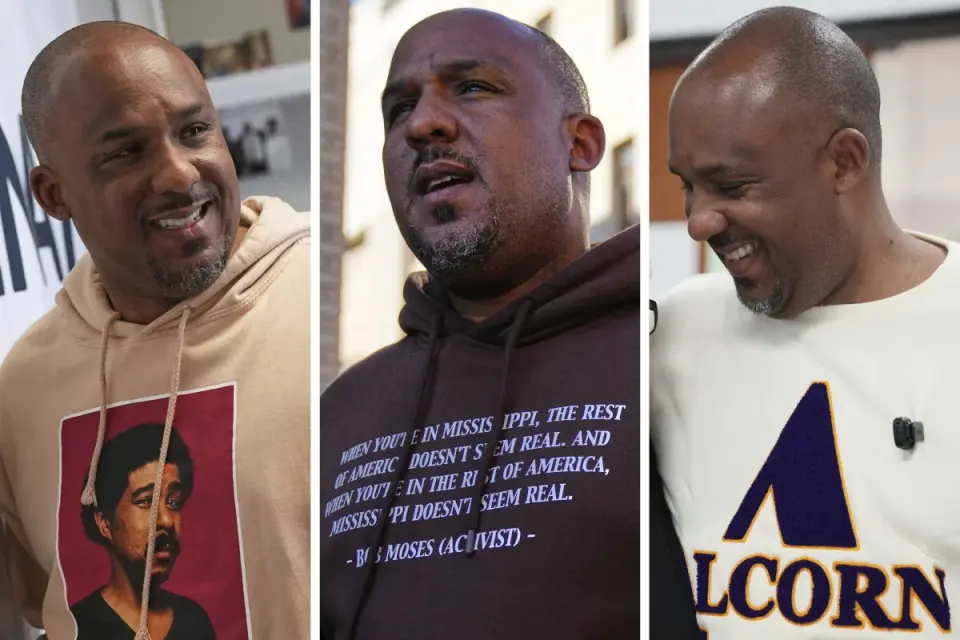
Scott Colom, Mississippi’s first Black senator since Reconstruction, has used his victory to emphasize the state’s civil rights legacy through visible branding. The 43-year-old Democrat defeated incumbent Cindy Hyde-Smith by approximately 4,600 votes, ending a 146-year gap for Black representation in the state’s Senate seat. His campaign leveraged a viral ad and high turnout among young and Black voters to secure a historic upset in a traditionally conservative region.
Key points
- Colom became the first Black senator from Mississippi since Blanche K. Bruce in 1875, and the first Democrat to win the seat since 1982.
- He defeated Republican incumbent Cindy Hyde-Smith by a narrow margin of roughly 4,600 votes, with the Associated Press calling the race on November 11, 2026.
- The victory secures a 55-44 Democratic majority in the US Senate and marks a significant shift in Southern political dynamics.
- Colom’s campaign featured a viral 'pick another protein' ad created by 27-year-old Ryan Sayles, which outperformed national endorsements.
- The win was driven by high turnout among young voters and the state’s large Black population, who constitute the largest proportion of the electorate in any US state.
Background
Mississippi had not elected a Black senator since the Reconstruction era, with Hiram Revels serving from 1870 to 1871 and Blanche Bruce from 1875 to 1881. The state had not sent a Democrat to the Senate since 1982. Recent local events, including a viral video of racist gestures near a Black student’s apartment at Ole Miss, highlighted ongoing tensions regarding race in the state. Colom’s victory is part of a broader trend of Republican setbacks in the South during the 2026 midterms, including losses in Georgia and South Carolina.
How outlets are covering it
AP News focuses on Colom’s personal branding, noting his use of sweatshirts featuring logos of historically Black colleges and quotes from civil rights figures like Bob Moses to signal pride in Mississippi’s Black heritage. Politico highlights the role of digital strategy, crediting 27-year-old content creator Ryan Sayles for the viral 'pick another protein' ad that resonated with voters frustrated by inflation. The BBC emphasizes the historical significance, drawing parallels between Colom and the 19th-century senators Revels and Bruce, and noting the emotional response of first-time voters at Jackson State University. The New York Times frames the result as a major political upset, positioning it within a series of Republican losses across the South that challenge the party’s traditional dominance in the region.
Why it matters
Colom’s victory represents a historic shift in Mississippi’s political landscape, ending a 146-year gap for Black representation in the US Senate. It signals a potential realignment in the South, where Democrats are gaining traction through grassroots organizing and appeals to affordability. The result also highlights the growing influence of young voters and the state’s Black population in national elections, challenging the perception of the region as a solid Republican stronghold.
What to watch
Colom will assume his Senate seat, contributing to the Democratic majority in the chamber. His focus on Mississippi’s civil rights history and economic issues may shape his legislative agenda. The outcome may influence future Democratic strategies in other conservative Southern states, potentially leading to increased investment in grassroots organizing and digital campaigns targeting young and Black voters.
- Mississippi’s first Black senator since Reconstruction is making a statement. Just look at his sweatshirts AP News
- Meet the 27-year old behind the protein ad that helped flip Mississippi Politico
- Before Scott Colom, these two men were the last black US senators from Mississippi BBC
- Republican Setbacks Swell in the South With Stinging Loss in Mississippi The New York Times
- How Scott Colom won deep-red Mississippi with little help from Democrats The Guardian
Want the full story? Read the original reporting
Read on AP News