
Musk Rejects MAGA Label After $440M Midterm Spending Fails to Halt Democratic Surge
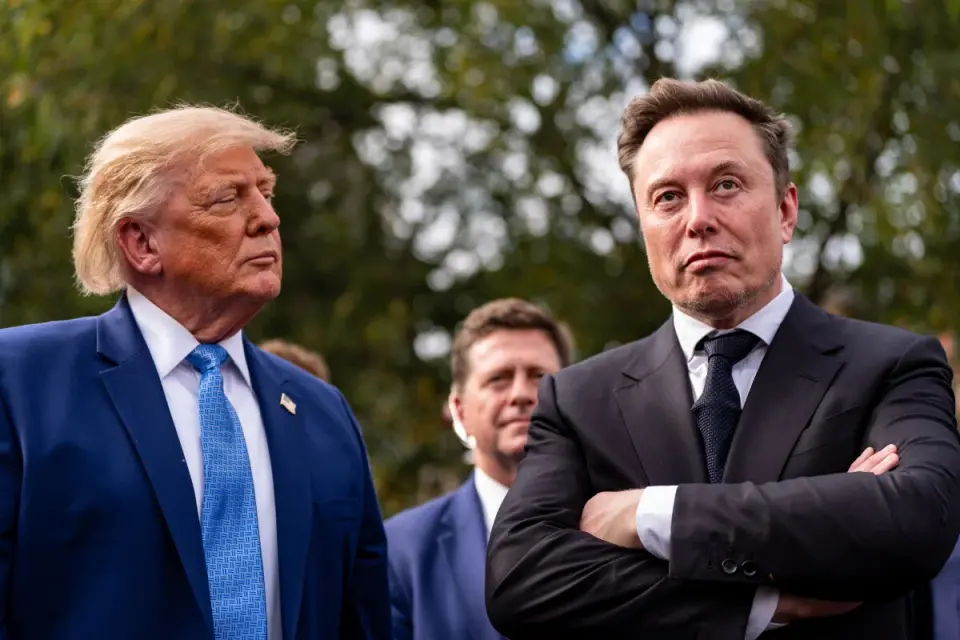
Elon Musk has distanced himself from the MAGA movement and expressed regret over his massive political spending following the Republican Party’s defeat in the 2026 midterm elections. At the New York Times DealBook Summit, Musk stated he feels 'pretty foolish' for spending over $440 million on Republican candidates, many of whom lost. He described himself as a moderate rather than a MAGA supporter, acknowledging that his financial intervention failed to prevent Democrats from taking control of Congress and key statehouses. While Musk suggested outcomes might have been worse without his spending, he admitted he would have spent less if he could rewind time. This shift marks a significant rebranding effort for Musk and other tech leaders facing potential regulatory scrutiny from the incoming Democratic majority.
Key points
- Musk spent over $440 million on Republican candidates, including $200 million for Texas Senate nominee Ken Paxton, who lost to Democrat James Talarico.
- Musk stated at the DealBook Summit that he is not MAGA and does not believe in blind adherence to Republican policies, calling himself a moderate.
- Democrats won sweeping victories in the midterms, securing control of Congress and several statehouses, with a focus on regulating tech firms and AI data centers.
- Musk acknowledged his spending effort 'failed' but suggested the situation might have been worse without his financial support.
- Palantir CEO Alex Karp also distanced himself from the GOP, claiming to be a progressive and expressing willingness to support a Democrat in 2028.
Background
Musk had previously aligned closely with President Trump, leading the Department of Government Efficiency and attending Trump’s second inauguration. In the 2026 midterms, Democrats capitalized on public dissatisfaction with tech billionaires and AI data centers, resulting in a significant shift in power. This follows a period where Musk and other tech leaders sought favorable policies and government contracts through close ties with the Republican administration.
How outlets are covering it
AP News and The New York Times emphasize Musk’s explicit rejection of the MAGA label and his admission of 'foolishness' regarding his spending. Politico highlights the unprecedented scale of Musk’s donations and the failure of key GOP strongholds like Texas and Kansas to flip to Democrats. NBC News notes Trump’s response, where the president suggested that those who 'veer' from MAGA do not fare well. The New York Times also reports on Musk’s defense of Jensen Huang and his combative stance on Ukraine, contrasting with his more moderate tone on domestic politics. All sources agree that Musk’s spending did not prevent the Democratic surge, but they differ in emphasis: AP and NYT focus on his personal regret and rebranding, while Politico stresses the financial magnitude and electoral failure.
Why it matters
Musk’s shift signals a potential realignment of tech billionaires with the new Democratic majority, which promises regulatory crackdowns and congressional investigations into tech firms. This could impact policy on AI, taxation, and government contracts, as Musk and other tech leaders seek to mitigate risks from the incoming administration. The failure of Musk’s massive spending also raises questions about the effectiveness of money in American elections and the limits of corporate influence on political outcomes.
What to watch
Musk and other tech leaders may continue to rebrand themselves to align with the new Democratic majority, potentially supporting candidates or policies that favor their interests. The incoming Democratic Congress is expected to launch investigations into tech firms’ dealings with the Trump administration, which could lead to regulatory changes. Musk’s comments suggest a cautious approach to future political spending, as he acknowledges the limitations of money in elections. The outcome of these shifts will depend on the ability of tech leaders to navigate the new political landscape and maintain favorable policies.
- Elon Musk backs away from Trump's MAGA brand after Republicans' midterm election washout AP News
- Musk says he feels ‘foolish’ after GOP election spending spree Politico
- Trump responds to Elon Musk’s ‘I’m not MAGA’ comments NBC News
- ‘I’m Not MAGA’: Musk Plays Down G.O.P. Support After Midterm Loss The New York Times
- Musk says he’s ‘not MAGA’ The Hill
Want the full story? Read the original reporting
Read on AP News