
Musk's $445M Midterm Gamble Fails as Democrats Sweep Texas and Congress
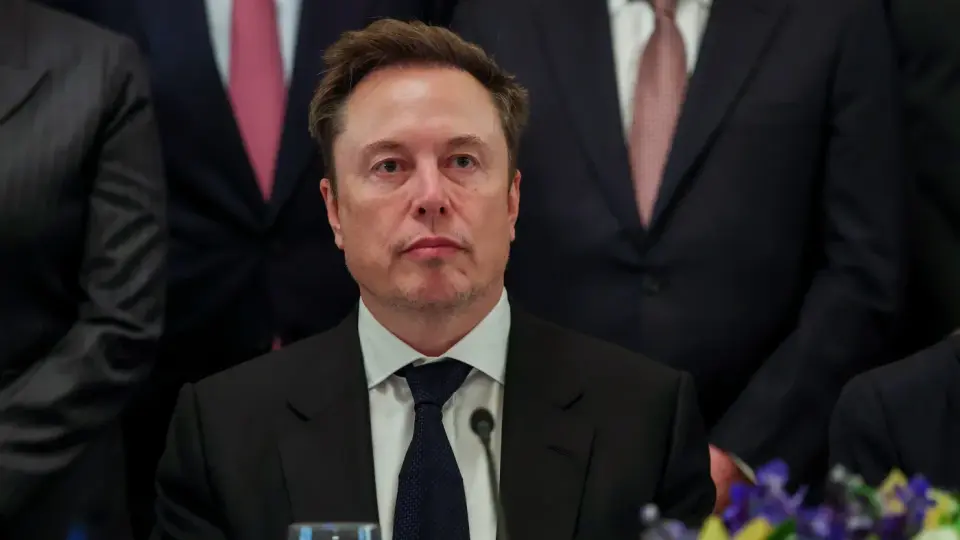
Elon Musk spent over $445 million backing Republican candidates in the 2026 midterms, but most of his choices lost. Democrats won both houses of Congress and swept statewide offices in Texas, where Musk concentrated nearly half his spending. His companies' stocks fell sharply, and Democratic lawmakers have signaled intent to investigate his government contracts and role in the Department of Government Efficiency.
Key points
- Musk donated over $445 million to Republican candidates and groups, making him the top donor in the midterms, yet most of his backed candidates lost.
- Democrats won both the House and Senate, gaining 25 House seats and 7 Senate seats, and captured every statewide office in Texas.
- Musk spent over $200 million in Texas, supporting losing Senate candidate Ken Paxton and Governor Greg Abbott, but Democratic candidates James Talarico and Gina Hinojosa won instead.
- Tesla and SpaceX shares fell in premarket trading, with Tesla dropping over 6% and SpaceX falling 5.6%, as investors reacted to the political shift.
- Democratic lawmakers have signaled intent to investigate Musk's government contracts, his role in DOGE, and his foreign dealings, including ties to Russia and Ukraine's Starlink access.
Background
Musk's political spending follows a pattern of heavy investment in Republican candidates, including $20 million in Wisconsin in 2025 and backing eight losing congressional candidates in 2024. His companies have long relied on Texas for operations, with Tesla, SpaceX, X, Neuralink, and The Boring Company headquartered in the state. The 2026 midterms mark a sharp reversal from late October when strong earnings and merger speculation drove his net worth closer to $1 trillion.
How outlets are covering it
NPR emphasizes Musk's role in DOGE and the potential for congressional investigations into his government contracts and foreign dealings. The New York Times highlights the stock market reaction and the potential complications for a SpaceX-Tesla merger under a Democratic Congress. WJLA focuses on Musk's joke about 'space lasers' and the 2024 election interference allegations, while CNBC frames the results as a broader rejection of billionaire influence and AI infrastructure expansion, noting that 93% of Musk's PAC spending went to losing races.
Why it matters
The midterms represent a significant shift in political power that could lead to increased scrutiny of Musk's business practices and government contracts. The Democratic control of Congress and key state offices in Texas may complicate his companies' expansion plans and regulatory environment. The results also signal a broader backlash against billionaire influence in politics and AI infrastructure, which could impact future political spending and policy decisions.
What to watch
Democratic lawmakers are expected to investigate Musk's government contracts and his role in DOGE. The new Democratic leadership in Texas, including Governor-elect Gina Hinojosa, may impose stricter regulations on data centers and business incentives. Musk's companies may face challenges in expanding their operations in Texas, and the potential SpaceX-Tesla merger could be complicated by the new political landscape.
- Elon Musk will face scrutiny from Democrats in Washington and Texas after midterms NPR
- SpaceX and Tesla Stocks Tumble After Elon Musk-Backed Candidates Lose in Texas The New York Times
- Elon Musk jokes that his 'election interference' space lasers didn't work for the midterms WJLA
- Elon Musk’s record election bet backfired. The backlash may reach beyond one billionaire CNBC
- 17 better ways Elon Musk could have wasted $446 million The Verge
Want the full story? Read the original reporting
Read on NPR