
NAACP Sues DOJ Over Secret 1,000-Person Election Monitoring Surge
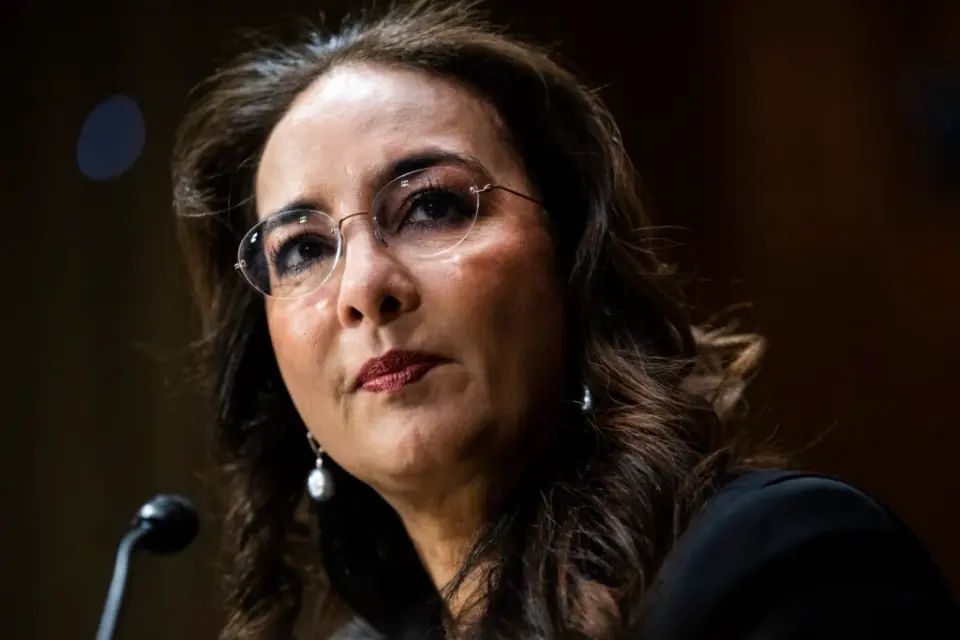
The NAACP has sued the Department of Justice to compel the release of records regarding a planned deployment of 1,000 federal personnel to polling places for the 2026 midterms. The lawsuit, filed by former Civil Rights Division head Kristen Clarke, seeks transparency on the legal authority, training, and locations of this unprecedented operation, which critics argue risks voter intimidation. While the DOJ frames the effort as ensuring 'ballot security,' state officials in Minnesota and Wyoming have already clashed with federal agents, raising concerns about the legality and scope of the deployment.
Key points
- The NAACP filed a lawsuit on Friday seeking FOIA records on the DOJ's plan to deploy approximately 1,000 personnel to polling places for the November 3 midterms.
- The Civil Rights Division currently has only 353 authorized positions, raising questions about the source and vetting of the additional 600+ personnel required for the operation.
- The lawsuit seeks to confirm whether David Michael Levin, a former DOJ employee with a 2016 criminal conviction, is participating in the monitoring effort.
- Critics argue the deployment could cause voter intimidation, while the DOJ frames it as necessary for 'ballot security' and 'election integrity.'
- State officials in Minnesota and Wyoming have already rejected or challenged the presence of federal monitors, citing state laws and concerns over aggressive conduct.
Background
This dispute follows a series of tensions between federal and state election officials in 2026. In August, Wyoming Governor Mark Gordon requested a state investigation into DOJ monitors he deemed 'aggressive.' In early October, Georgia’s State Election Board rejected federal pushes to alter voting software and later requested a federal ban on certified machines, highlighting deep divisions over election infrastructure and federal intervention.
How outlets are covering it
The NAACP and its general counsel, Kristen Clarke, view the deployment as an unprecedented and potentially coercive expansion of federal power that lacks transparency and could chill voter participation. They emphasize the need for public accountability and the preservation of voting rights. In contrast, the DOJ, led by Assistant Attorney General Harmeet Dhillon, frames the operation as a historic effort to ensure 'ballot security' and 'compliance with federal law,' describing its personnel as 'observers' rather than 'monitors' to distinguish them from Voting Rights Act observers. State officials, such as Hennepin County Attorney Mary Moriarty and Wyoming Governor Mark Gordon, have pushed back, arguing that federal presence violates state laws and intimidates voters and election workers. KOMO News highlights the broader national concern over potential intimidation, while Democracy Docket focuses on the legal and procedural gaps in the DOJ's planning.
Why it matters
The scale of this deployment, nearly four times the size of the 2024 presidential election effort, sets a new precedent for federal involvement in state-run elections. If the DOJ cannot provide clear legal authority or training standards for these personnel, it could undermine public confidence in the 2026 midterms and set a dangerous precedent for future elections. The lawsuit seeks to force transparency before Election Day, potentially shaping how federal agencies interact with state election infrastructure in the future.
What to watch
The NAACP is seeking emergency relief from the court to compel the DOJ to preserve and release records immediately. The outcome of this lawsuit could determine whether the 1,000-person deployment proceeds as planned or is modified in response to legal pressure. State officials may continue to resist federal presence, potentially leading to further legal challenges or confrontations at polling places in November.
- DOJ sued for records on ‘unprecedented’ plan to deploy 1,000 election monitors in midterms Democracy Docket
- Blanche defends DOJ’s plan to send 1,000 monitors to polls on Election Day thehill.com
- Justice Department to deploy election monitors nationwide as critics warn of intimidation KOMO
- AG Todd Blanche defends federal poll monitors Yahoo
- Blanche rejects notion of armed election monitors as ‘completely false’ Washington Examiner
Want the full story? Read the original reporting
Read on Democracy Docket