
Stein Vets NC Voting Bill as GOP Weighs Override
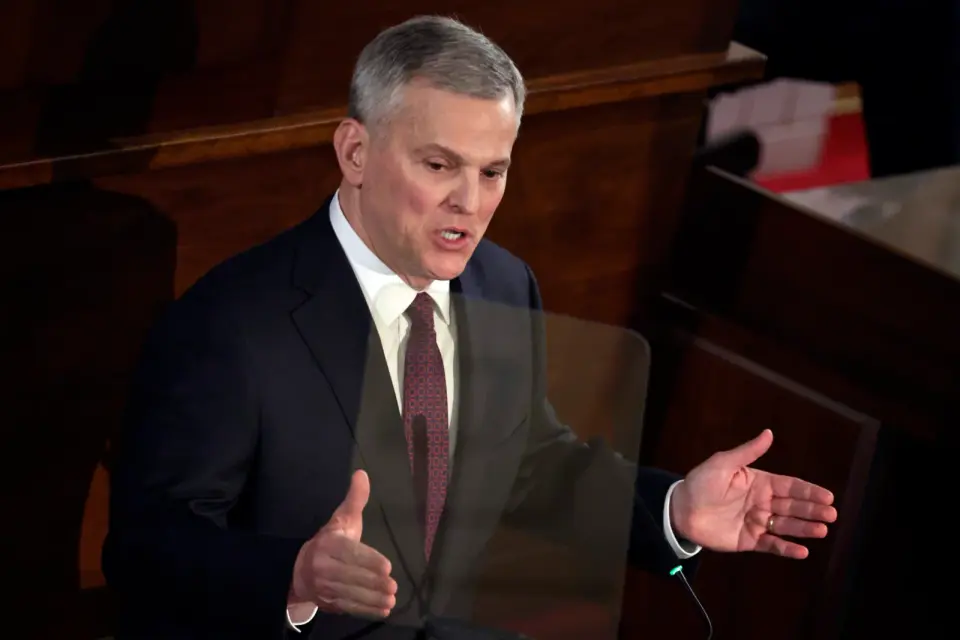
North Carolina Governor Josh Stein vetoed House Bill 958, a measure that would have shortened early voting for primaries and expanded post-election ballot challenges. The bill, passed by a Republican-controlled legislature, faced immediate opposition from Democrats who called it an attack on voter access, while Republicans defended it as necessary for election integrity. The veto sets up a potential override vote in the General Assembly.
Key points
- Governor Josh Stein vetoed HB 958 during a 'Protect Our Vote' event in Raleigh on August 17, 2026.
- The bill would have reduced early in-person voting for primaries, runoffs, and special elections from 17 days to 10 days.
- HB 958 extended the window for challenging ballots to three days after Election Day, allowing challenges after preliminary results are known.
- The legislation required county boards to process voter registration only if citizenship was affirmatively indicated and directed the DMV to share full Social Security numbers with election officials.
- Republican lawmakers hold the majority in the General Assembly and could potentially override the veto, as they did with three of Stein's previous vetoes this summer.
Background
The veto follows a series of legislative and administrative moves to tighten election rules in North Carolina. In July 2026, the state advanced similar restrictions through committee, and the State Board of Elections implemented new mail-in voting requirements. Earlier in the year, a GOP operative resigned after evidence surfaced that the State Auditor’s office had pressured local boards on polling site locations, highlighting ongoing tensions over partisan influence in election administration.
How outlets are covering it
Democrats, including Governor Stein, characterized HB 958 as 'anti-voter legislation' designed to make voting harder and enable partisan officials to discard ballots. Stein argued the bill sows distrust in elections and undermines democratic participation. Conversely, Republicans, including State Auditor Dave Boliek and House Speaker Destin Hall, framed the bill as a practical reform to ensure election integrity and accurate vote counting. Boliek countered that voter access had actually expanded in the 2026 primary compared to 2022, while supporters argued the changes would increase public confidence in the electoral process. The Center Square noted that the bill passed along strict party lines, with no Democrats voting in favor and no Republicans voting against it in either chamber.
Why it matters
The veto highlights the deepening partisan divide over election administration in North Carolina. If the General Assembly overrides the veto, the state will implement significant changes to early voting and ballot challenge procedures ahead of the 2026 midterms. The outcome will determine whether North Carolina adopts stricter roll maintenance and shorter voting windows, potentially impacting voter turnout and the perceived legitimacy of election results in a key swing state.
What to watch
The North Carolina General Assembly will decide whether to override Governor Stein's veto. Republicans hold the necessary supermajority in both chambers to do so. If the veto is overridden, HB 958 will become law, shortening early voting periods and altering ballot challenge timelines for upcoming elections. If the veto stands, the current 17-day early voting window for primaries will remain in effect. Public advocacy groups are urging residents to contact their legislators to influence the override vote.
- North Carolina governor vetoes sweeping voting restrictions Democracy Docket
- North Carolina governor vetoes controversial bill that would change elections WLOS
- Stein vetoes NC voting bill that would reduce early voting days CBS 17
- Governor Stein vetoes House Bill 958 during ‘Protect Our Vote’ event WITN
- Republicans’ election integrity measure vetoed The Center Square
Want the full story? Read the original reporting
Read on Democracy Docket