
NC Republicans Assign Ousted Lawmakers to State Roles and Pass $100M Spending Bill in Lame-Duck Session
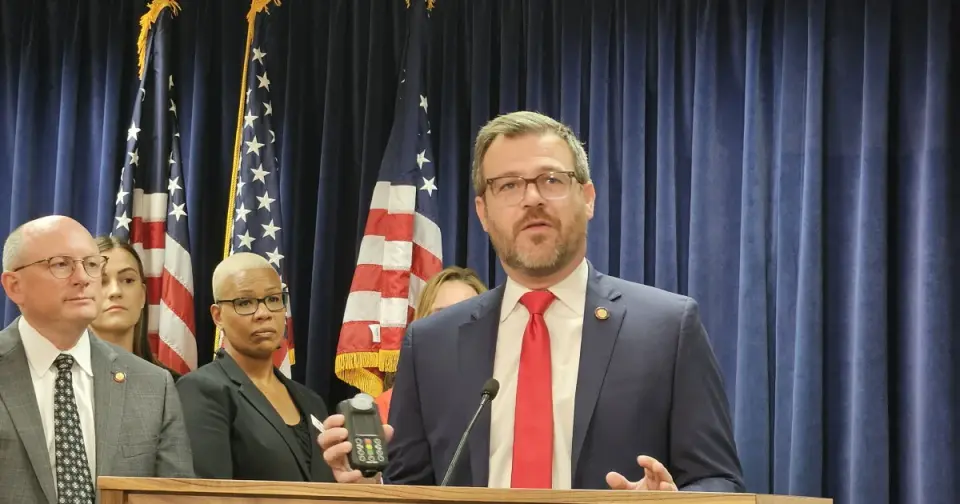
North Carolina Republicans utilized their final weeks of legislative control to appoint defeated colleagues to state boards and judgeships, and passed a 62-page spending bill containing over $100 million in new allocations. Democrats criticized these actions as ignoring recent election results, while Republicans defended them as necessary to fill vacancies and address urgent issues before power shifts in January.
Key points
- House Bill 1249 appointed six defeated Republican lawmakers to state positions, including Rep. Mike Schietzelt as a special Superior Court judge and Sen. Lisa Barnes to the Board of Agriculture.
- Senate Bill 177, a 62-page 'technical corrections' bill, passed with over $100 million in spending, including $40 million for school bus fuel costs and $31 million for film grants.
- The bill included funding shifts benefiting districts of current Republican leaders, such as $35 million to Caldwell County and $2 million for a Buc-ee's project in Rocky Mount.
- Democrats voted against the measures, arguing they bypassed public input and ignored the will of voters who elected them to power in the 2026 midterms.
- Republicans plan to return after Thanksgiving for a final session, potentially to address infrastructure funding and veto overrides, though they deny plans to spend state reserves.
Background
This session follows the 2026 midterms, where Democrats gained control of the North Carolina House and reduced the Republican majority in the Senate. Previous archive coverage noted that Republicans had already passed a final budget and initiated appointment processes before this latest session, highlighting a pattern of using lame-duck periods to secure policy and personnel advantages before losing power.
How outlets are covering it
WUNC News and WRAL emphasize the controversy surrounding the appointments and the rapid passage of the spending bill, highlighting Democratic accusations of 'backroom dealings' and lack of public input. Carolina Journal provides detailed voting counts and term lengths for the appointments, noting that legislative appointments are not subject to gubernatorial veto. WSOC TV focuses on the unresolved issues, such as open carry and early voting bills, that remain pending for potential veto overrides. While all sources agree on the actions taken, they differ in emphasis: WRAL and WUNC focus on the political conflict and Democratic criticism, while Carolina Journal focuses on the procedural and constitutional aspects of the appointments.
Why it matters
These actions set a precedent for how outgoing majorities can shape state government and policy before power transitions. The appointments ensure that defeated lawmakers retain influence in state institutions, while the spending bill redirects funds to specific projects and districts, potentially affecting future policy priorities and public trust in the legislative process.
What to watch
Lawmakers are scheduled to return on November 30 for a final session, which may extend through December 18. Potential agenda items include a funding bill for construction projects, veto overrides for pending legislation, and discussions on public corruption prosecution powers. The outcome of a pending recount in one state Senate race could also affect the balance of power in the chamber.
- In lame-duck session, ousted NC legislators get new roles in state government WUNC News
- ‘Handing them out like candy’: NC GOP lawmakers give new jobs to outgoing colleagues NC Newsline
- NC Republicans push through new spending, policy changes before losing legislative power WRAL
- Defeated NC Republicans appointed to boards, judgeships by General Assembly Carolina Journal
- Open carry, early voting bills among issues facing NC lawmakers WSOC TV
Want the full story? Read the original reporting
Read on WUNC News