Amendment 87 proposes replacing Colorado's flat 4.4% income tax with a graduated system, raising rates for high earners to fund public services while cutting taxes for most residents. The measure aims to address significant budget deficits, but faces opposition from business groups and the governor over economic impacts.
North Carolina lawmakers advanced a record $34 billion state budget in the first round of votes, including raises for state workers and teachers, one-time pension boosts, and phased personal income tax cuts that could drop to as low as 2.49% by 2034. The plan also raises taxes on data centers and sports betting companies, funds Hurricane Helene relief and reserves, expands Medicaid oversight while trimming some health-department positions, and boosts transportation spending, with final passage and Gov. Stein’s signature expected later this week.
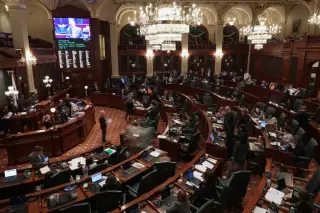
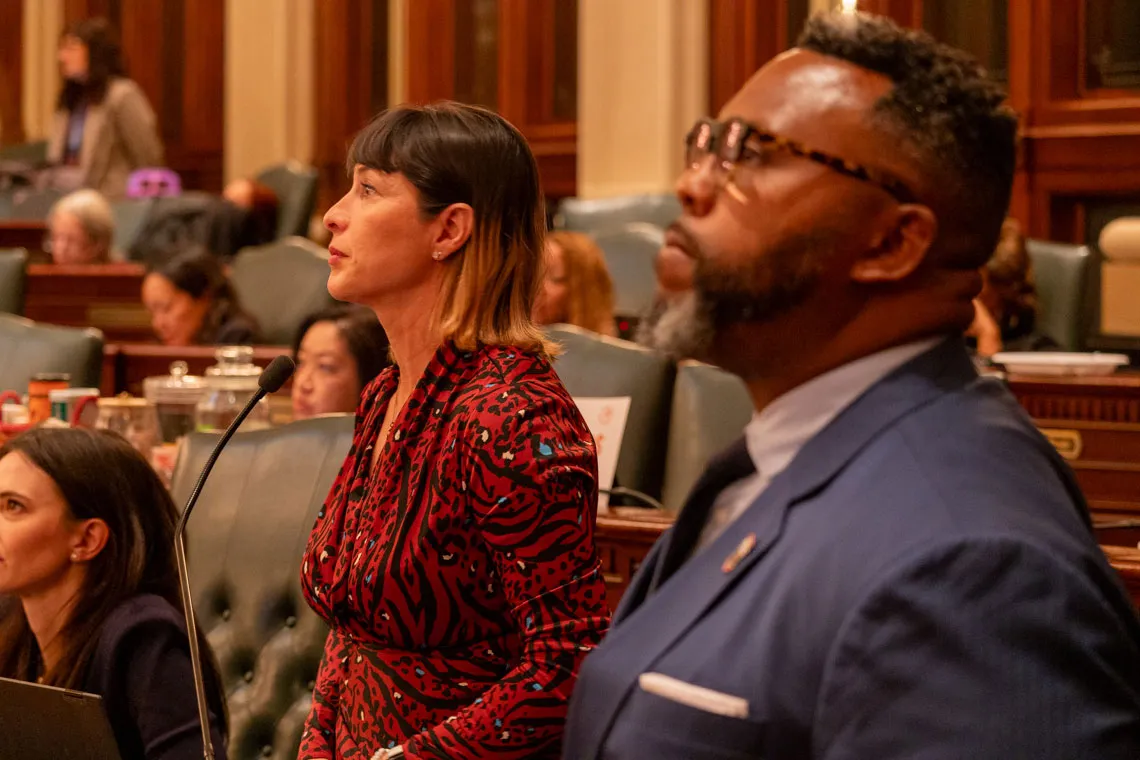
Illinois lawmakers are finalizing a nearly $56 billion budget backed by a windfall from higher gas prices, diverting about $150 million of gas-tax revenue from mass transit to operating expenses while approving a 3.2% cost-of-living increase for lawmakers to $101,450 and similar raises for the governor and agency heads; the plan also relies on new revenue ideas (digital advertising tax, fantasy-sports tax) and includes a one-time $400 SNAP payment for residents who lose benefits under federal rules, with education funding maintained and no layoffs.
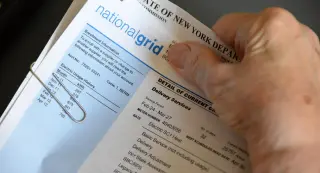
New York will automatically mail more than 8 million residents utility-relief rebates of up to $200 as part of the state budget. Eligibility hinges on 2024 residency and income and filing status: if you’re married or a surviving spouse, you get $200 if income is at or below $150k, or $150 if income is between $150k and $300k; single or head of household filers get $100 if income is at or below $150k. No application is required; payments go out this autumn.
North Carolina lawmakers announced a budget deal that would raise starting teacher pay to $48,000 (about $53,000 with local supplements), deliver an average 8% raise for teachers plus tenure-based one-time bonuses, and provide sizable raises for state employees and law enforcement (roughly 13% on average, with larger boosts for SBI/ALE and other agencies). The package also includes 3% raises for principals and other school personnel; raises would take effect in the new fiscal year if the bill passes before July 1, with bonuses paid on July 1. The deal remains to be filed into legislation and awaits Gov. Stein’s signature.
With GLP-1 obesity drugs becoming costlier, several states and major cities are restricting or ending Medicaid or public-employee coverage for weight‑loss uses, arguing short-term budget relief even as critics warn this could worsen health outcomes. Costs surged from about $13.7B in 2018 to $71.7B in 2023, leading to coverage changes in California, New Hampshire, Pennsylvania, and South Carolina (with Michigan tightening criteria) and proposals in Rhode Island, New York City, and Boston.
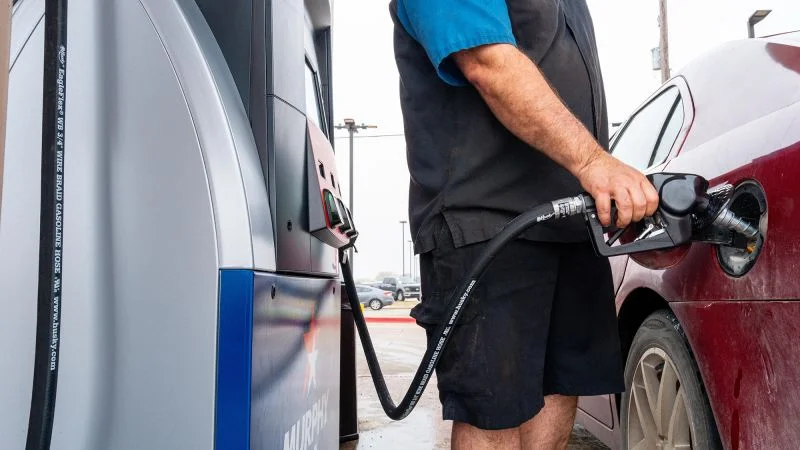
As gas prices spike amid Middle East tensions, states are reluctant to repeat gas-tax holidays seen in 2022. Only Connecticut has pitched a short-term, one-month suspension; New York and Georgia have given lukewarm responses. Savings from such holidays typically don’t reach drivers in full, and budget shortfalls plus ongoing supply constraints—exacerbated by the Strait of Hormuz disruption—make broad relief unlikely this year.
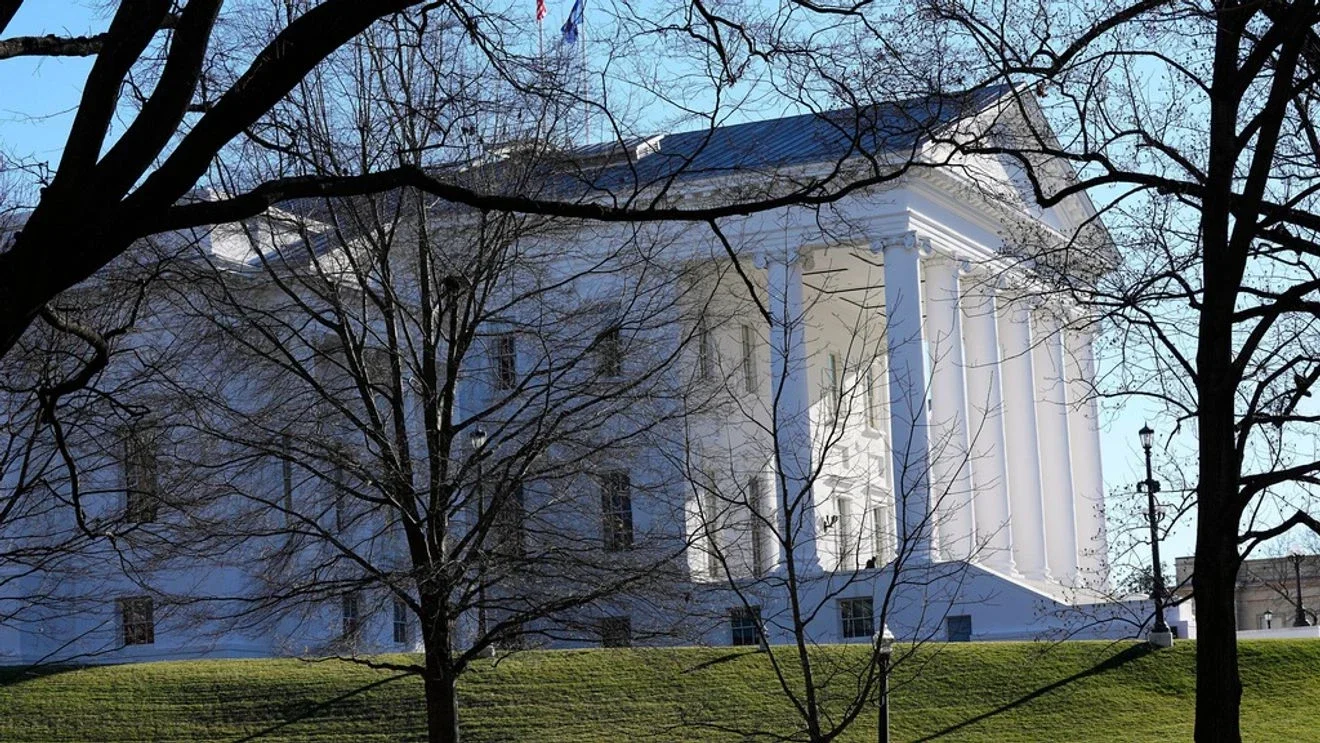
Virginia Senate Democrats advanced a budget amendment that would boost legislators’ pay by about 278% (nearly 300%), as part of their budget package. Republicans criticized the move as unaffordable and potentially raising taxes, and the proposal would still need approval from the House and a governor’s signature to become law.
PPIC’s February 2026 statewide survey finds Californians worried about a $2.9 billion budget gap and the cost of living, favoring lower taxes and fewer services with health and human services as a priority. About 62% of adults and likely voters approve of Governor Newsom’s proposed budget, while views on closing the gap split (43% via spending cuts, 39% via a mix, 8% via tax increases). An overwhelming 77% want voters to have a say on spending and taxes at the ballot box, and 61% support raising taxes on the wealthiest to reduce the gap. Newsom’s approval stands around 51% with the Legislature at 46%. Californians remain pessimistic about the state and national directions, disapprove of ICE and the president, and the governor’s race in June features five leading candidates (Hilton, Porter, Bianco, Swalwell, Steyer) in a close top-two contest.
The Washington Senate moved a 9.9% personal income tax on households earning more than $1 million to the House, arguing the measure would fund public defense, expand the Working Families Tax Credit, and aid small businesses, while critics warn of potential economic harm; the tax would take effect in 2028 (revenues begin in 2029) and is expected to yield about $3.4 billion annually once fully phased in, with the plan exempt from the existing prohibition on new statewide income taxes and facing continued political and legal challenges.
California's governor Gavin Newsom projects a $9 billion revenue increase for 2026-27, relying on the AI-driven economy, while forecasting a modest $2.9 billion shortfall for the upcoming year, with concerns about the sustainability of the AI boom and long-term fiscal challenges including reduced housing and homelessness funding.
Florida Governor Ron DeSantis claims that Jeff Bezos's move from Washington to Florida significantly impacted Washington's budget by removing its biggest taxpayer, highlighting the advantage of states without income tax like Florida amid discussions of new taxes in Washington.
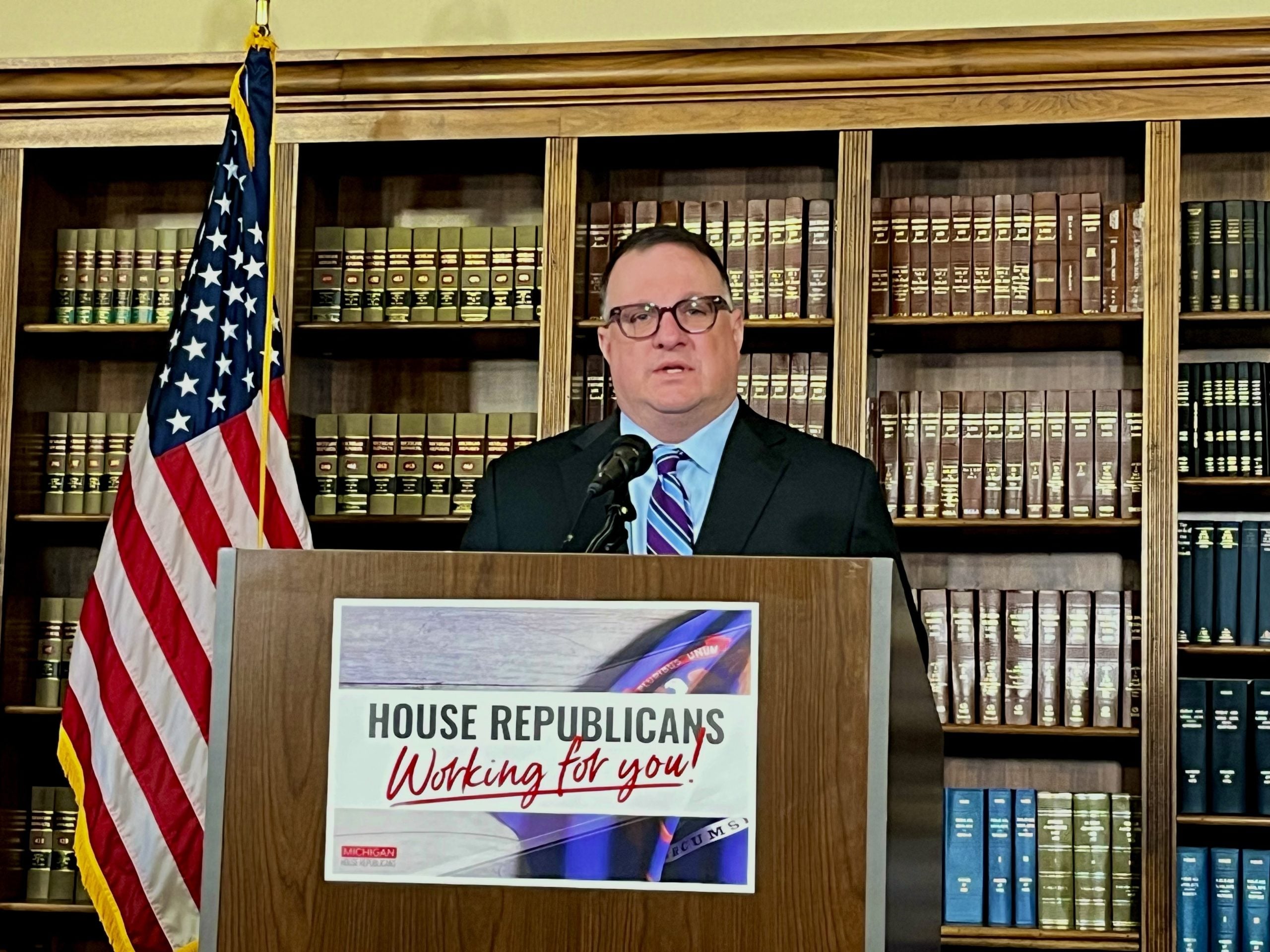
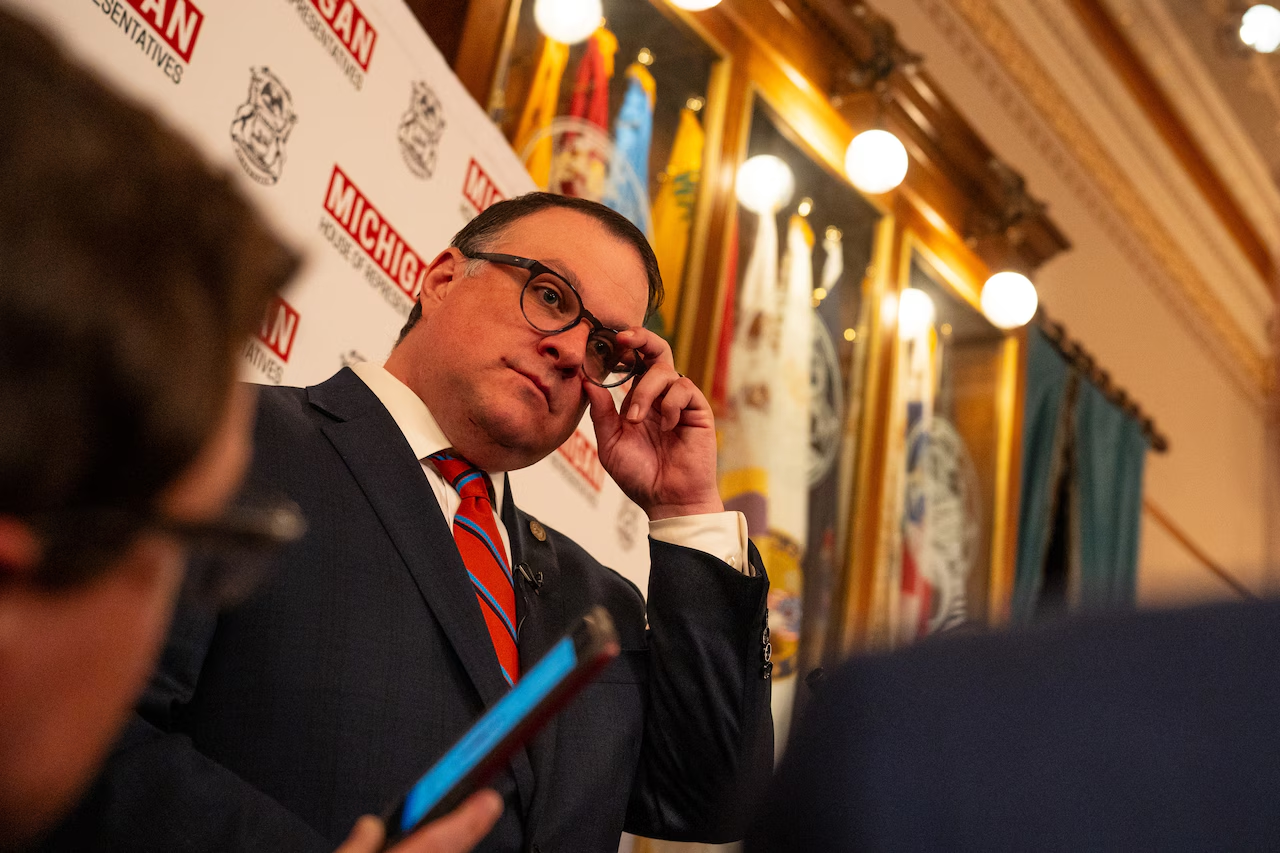
Michigan House Republicans unilaterally canceled approximately $644 million in previously approved state funding for various projects, including a fire truck for Hamtramck, without prior notice to the affected groups, leading to bipartisan criticism and efforts to restore the funds. The cuts have sparked controversy over transparency, trust, and the impact on local services and projects.
Illinois lawmakers approved a $1.5 billion transit funding package without broad statewide tax hikes, relying instead on reallocating existing revenue sources and targeted sales tax increases in the Chicago area, aiming to address a significant funding shortfall for transit agencies.
Michigan House speaker Matt Hall opposes the Senate's $71 million food aid bill, citing procedural delays and preferring to use existing state funds to address the upcoming SNAP benefit pause caused by the federal government shutdown, which affects nearly 1.4 million residents relying on food assistance.