
New Mexico leaders reject Trump's demand to rename state 'New America'
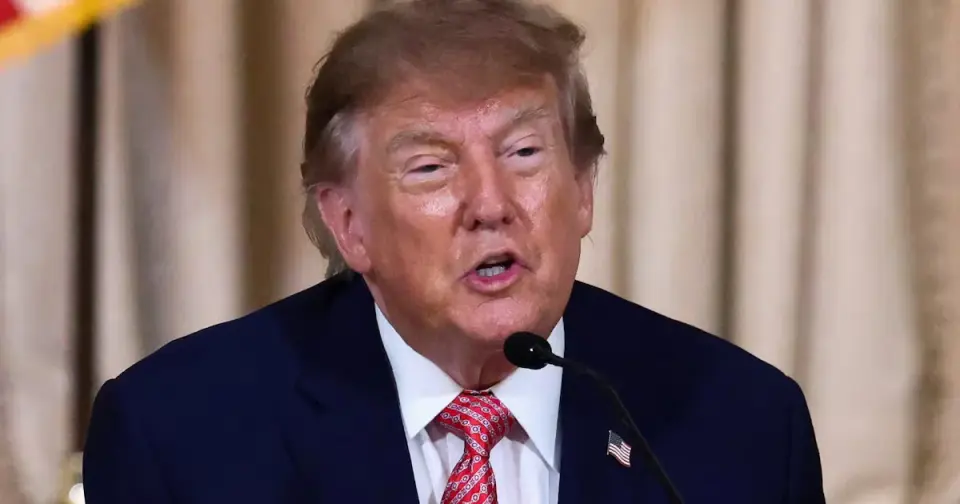
President Trump demanded that New Mexico change its name to 'New America' via a Truth Social post on Oct. 19, claiming it would boost property values. State and federal officials rejected the move, noting that state names are protected by state constitutions and cannot be changed by executive order. The name 'New Mexico' dates back to the 1500s, predating the United States and the modern nation of Mexico.
Key points
- Trump posted on Truth Social on Oct. 19, 2026, demanding New Mexico rename itself to 'New America' to increase prestige and home values.
- Gov. Michelle Lujan Grisham and Sen. Ben Ray Luján criticized the demand, stating the name has centuries of historical significance and cannot be altered by the president.
- Legal experts note that unlike federal landmarks, state names are protected by state constitutions and require state-level legislative action to change.
- The name 'New Mexico' originates from Spanish settlers in the 1500s, predating the United States and the independence of Mexico in 1821.
- This is the latest in a series of Trump renaming efforts, including the Gulf of Mexico to the Gulf of America and Lake Ontario to Lake America.
Background
This follows a broader pattern of Trump-led renaming initiatives, including the recent Kennedy Center closure after a failed attempt to add his name, and the satirical rebranding of 'South Park' to 'South America' by its creators in response to these trends.
How outlets are covering it
The Daily Beast highlights the sharp political backlash from New Mexico's governor, framing the demand as a distraction from policy failures. USA Today and WBAL-TV emphasize the legal impossibility of the change, noting that state constitutions protect state names from presidential decree. CNN focuses on the historical and legal questions surrounding the name's origin and the limits of executive power. All sources agree that the name cannot be changed by the White House, but they differ in emphasis: The Daily Beast focuses on the political reaction, while USA Today and WBAL-TV focus on the legal and historical constraints.
Why it matters
The incident highlights the limits of presidential power over state sovereignty and the historical significance of place names in the United States. It also reflects ongoing tensions between the executive branch and state governments over symbolic and administrative changes.
What to watch
No immediate action is expected, as the name change is legally impossible without state-level action. The controversy may continue as a political talking point, but no legislative or executive changes are anticipated.
- Trump Gets Scathing Response to Wild State Name Change Demand The Daily Beast
- Trump wants New Mexico to change its name. Here's why he can't rename it USA Today
- President Trump suggests renaming New Mexico, raising legal and historical questions WBAL-TV
- Can Trump change New Mexico’s name to ‘New America’? What to know CNN
- Memo from New Delhi: Make America India Again? The Times of India
Want the full story? Read the original reporting
Read on The Daily Beast