
Obama and Trump Clash in Final Midterm Push Over Iran, Economy, and White House Decor
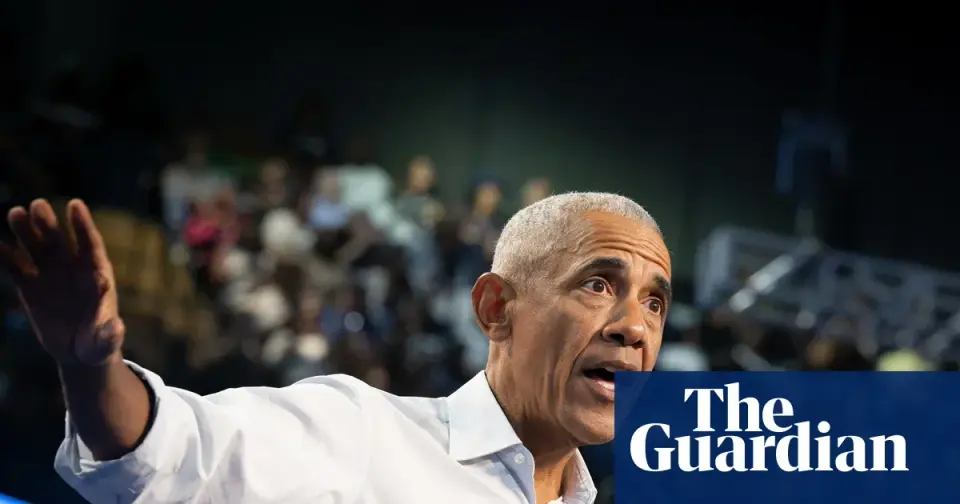
With days remaining before the November 2026 midterm elections, former President Barack Obama has intensified his campaign support for Democrats, directly challenging President Donald Trump in Georgia and Ohio. Obama criticized Trump’s foreign policy, particularly the ongoing conflict with Iran and trade tariffs, while mocking the president’s White House renovations. Trump responded by defending his policies and attacking Obama’s past decisions. The clash highlights a broader Democratic strategy to leverage Obama’s popularity to counter anti-incumbent sentiment, though internal party divisions remain evident.
Key points
- Obama campaigned in Detroit, Atlanta, and Cleveland, supporting candidates like Abdul El-Sayed and Jon Ossoff, framing the election as a chance to rein in Trump’s administration.
- Obama criticized the US-Iran conflict, stating it has increased oil prices and weakened national security, while also attacking Trump’s tariffs for raising consumer costs.
- Trump held rallies in Ohio and other red states, defending his Iran military operations, claiming Venezuela oil deliveries, and mocking Obama’s White House renovation comments.
- The 'Cheesecake Factory' remark by Obama sparked a culture war, with Trump defending his gilded decor and Obama arguing the administration lacks solutions to real economic problems.
- Democrats deployed Obama to boost turnout among young and Black voters, while progressives debated whether his involvement validates their movement or reflects establishment compromises.
Background
This campaign surge follows earlier Democratic efforts to counter potential election interference, including the deployment of thousands of observers and legal preparations. Obama had previously warned of narrow margins in key Senate races, emphasizing the threat of unchecked executive power. The current push builds on these concerns, with Democrats mobilizing resources to defend voting rights and challenge Trump’s second-term agenda.
How outlets are covering it
The Guardian and AP News highlight Obama’s strategic role in energizing Democratic voters and countering Trump’s autocratic style, noting his ability to command attention and unnerve the president. Al Jazeera focuses on the policy clashes, particularly over Iran and tariffs, with Obama arguing the war has made Americans less safe and Trump defending his military operations. CNN emphasizes the cultural fallout from the 'Cheesecake Factory' joke, with the restaurant’s former designer criticizing the comparison as petty. Progressives within the Democratic party, as noted by The Guardian, are divided: some see Obama’s involvement as a validation of their movement, while others critique his past moderate compromises. Trump’s supporters, however, view his rallies as a defense of American strength and a rebuttal of Obama’s elitism.
Why it matters
The 2026 midterms will determine the balance of power in Congress for the remainder of Trump’s second term, with implications for foreign policy, economic regulation, and democratic norms. Obama’s involvement signals a high-stakes effort to mobilize voters against perceived authoritarianism, while Trump’s aggressive campaign underscores the polarization in US politics. The outcome could shape the trajectory of US alliances, trade policies, and domestic governance for years to come.
What to watch
Voters will cast ballots on November 3, 2026, with results expected to determine control of the House and Senate. Democrats will monitor turnout in key states like Michigan, Georgia, and Ohio, while Republicans will focus on defending red-state strongholds. Post-election, the balance of power in Congress will influence legislative battles over tariffs, foreign policy, and executive authority, potentially setting the stage for the 2028 presidential race.
- ‘He’s a force’: Obama answers call to boost Democrats ��� and rattle Trump The Guardian
- Obama and Trump spar at rallies in Georgia and Ohio: Key takeaways Al Jazeera
- Trump in Ohio and Obama in Georgia make closing stretch appeals to midterm voters in pivotal states AP News
- The Cheesecake Factory’s longtime designer claps back at Obama CNN
Want the full story? Read the original reporting
Read on The Guardian