
Judge McFadden allows Pentagon to fire Stars and Stripes staff, ruling First Amendment claims unproven
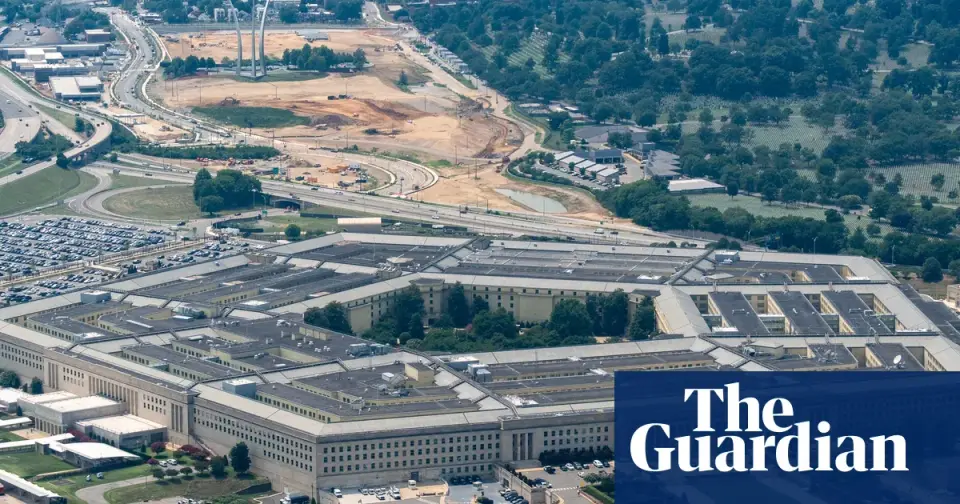
A federal judge denied a request to block the Pentagon from firing three Stars and Stripes journalists, ruling they failed to prove their First Amendment rights were violated. The decision allows the Defense Department to proceed with its efforts to exert greater editorial control over the military newspaper.
Key points
- Judge Trevor McFadden ruled that the plaintiffs failed to demonstrate a 'chill' on protected expression, allowing the Pentagon to proceed with the firings.
- The lawsuit was filed by publisher Max Lederer, editor-in-chief Erik Slavin, and reporter Lara Korte, who were dismissed after an August 11 article on the USS Abraham Lincoln.
- McFadden concluded the journalists were fired for giving pre-approved interviews as public employees, not as private citizens, stating this does not clearly offend the First Amendment.
- The plaintiffs' attorneys called the ruling 'disappointing' but expressed confidence in prevailing after discovery, noting the high burden for preliminary injunctions.
- The Defense Department and Secretary Pete Hegseth are named defendants in the suit, which seeks reinstatement and challenges new Pentagon policies limiting editorial independence.
Background
This ruling follows a series of recent firings and legal challenges involving the Stars and Stripes. In late August, the Pentagon dismissed the newspaper's leadership after clashes over editorial independence, specifically regarding coverage of deteriorating conditions on the USS Abraham Lincoln. A temporary restraining order had briefly paused the firings in late August, but the current ruling on September 4 marks a significant setback for the journalists. This case is part of a broader pattern of Pentagon interventions, including Defense Secretary Pete Hegseth's recent blocks on military promotions and other lawsuits alleging illegal censorship of military media.
How outlets are covering it
The Guardian and The New York Times emphasize the ruling as a blow to the journalists and a victory for Pentagon control, highlighting the historical independence of the outlet. CNN and Politico focus on the legal reasoning, noting that Judge McFadden, a Trump appointee, found the plaintiffs failed to meet the high burden for a preliminary injunction. While all outlets agree on the outcome, the plaintiffs' attorneys, represented by groups like Democracy Defenders Fund, argue the ruling is not the final word and expect to prevail once discovery is complete. The outlets also note that this is one of at least three lawsuits challenging Pentagon interference with the publication's editorial integrity.
Why it matters
The decision sets a precedent for the limits of First Amendment protections for public employees in federally funded media. It allows the Pentagon to install new leadership and policies that may restrict independent reporting on military conditions, potentially impacting the flow of information to the public regarding the armed forces.
What to watch
The litigation will proceed to the discovery phase, where the plaintiffs hope to reveal more facts. The Pentagon is expected to continue its efforts to exert editorial control over Stars and Stripes, including the installation of a new deputy publisher. Other related lawsuits, including those by Pulitzer winners Susan Dardarian and William Church, will also continue to challenge Pentagon actions.
- Judge refuses to block Pentagon from firing Stars and Stripes journalists The Guardian
- Federal judge allows Pentagon to fire three Stars and Stripes journalists CNN
- Federal judge declines to halt firings of Stars and Stripes staffers The Hill
- Judge refuses to block Pentagon from firing Stars and Stripes staffers over CBS interview Politico
- Judge Will Not Block Pentagon Move to Fire Stars and Stripes Journalists The New York Times
Want the full story? Read the original reporting
Read on The Guardian