
Pentagon memo limits US-Canada military social ties, not operations
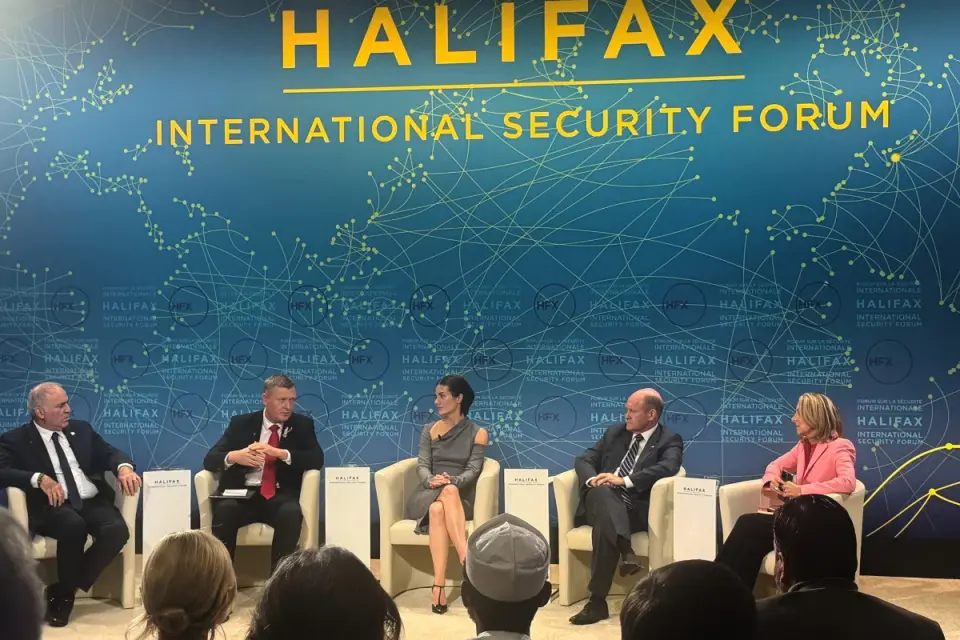
A classified memorandum from US Secretary of War Pete Hegseth restricts US military officials from attending Canadian think tank events and social gatherings without permission. While the move has strained diplomatic relations, both US and Canadian officials confirm that core military operations, intelligence sharing, and NORAD cooperation remain unaffected. The directive appears designed to pressure Canada to increase defense spending, though Ottawa reports no operational changes to date.
Key points
- Hegseth circulated a classified memo last week restricting US military participation in Canadian think tank events and social engagements.
- The restrictions require permission for attendance at such events but do not impact defense intelligence, NORAD, or NATO cooperation.
- Canadian Defense Minister David McGuinty stated he has not seen the document and observes no change in joint military activities, such as Caribbean drug interdiction.
- US Senator Mike Rounds described the move as consistent with existing practices but acknowledged it was intended to pressure Canada on defense spending.
- Democratic senators criticized the directive as unnecessary and damaging to alliance relations, while Republicans downplayed its operational impact.
Background
This development follows a period of strained US-Canada relations, including trade disputes and US threats regarding Canadian sovereignty. In May 2026, the US paused participation in the Permanent Joint Board on Defence, citing Canada’s defense spending commitments. Canada has since met the NATO target of spending 2% of GDP on defense, though Prime Minister Mark Carney has expressed interest in diversifying military equipment sourcing away from the US. The current memo adds to these tensions amid ongoing trade negotiations between the two nations.
How outlets are covering it
AP News and CBC News agree that the memo targets social and think tank engagements rather than core military operations. However, they differ in emphasis on the political intent. AP highlights the diplomatic friction and the lack of operational impact, quoting Canadian officials who view the situation as 'business as usual.' CBC places greater weight on the political pressure aspect, noting that Senator Rounds explicitly linked the restrictions to demands for increased Canadian defense spending. CBC also highlights that Canadian officials were unaware of the memo until its leak, suggesting a lack of transparency in the decision-making process, whereas AP focuses more on the official denials of operational impact from both sides.
Why it matters
The memo signals a shift in US approach to allied relationships, using diplomatic and social restrictions as leverage for defense spending commitments. While it does not disrupt critical security infrastructure like NORAD, it reflects a broader trend of transactional diplomacy under the Trump administration, potentially affecting long-term trust and cooperation between the US and Canada in a volatile global security environment.
What to watch
Canadian officials are seeking clarification from US counterparts regarding the memo’s specific contents and scope. The US and Canada are expected to continue joint military operations, but diplomatic tensions may persist as Washington pressures Ottawa to further increase defense spending and align with US strategic objectives. Future developments may include formal diplomatic discussions to address the restrictions and their impact on bilateral relations.
- US senator says Pentagon restrictions on Canada focus on think tanks and social events AP News
- US Defense Secretary Hegseth restricts military ties with Canada, Washington Post reports Reuters
- Pentagon Issued Memo Limiting ‘Social Activities’ With Canadian Military The New York Times
- In secret memo, Hegseth restricts U.S.-Canada defense relationship The Washington Post
- Hegseth reportedly moves to restrict defence ties with Canada, but Ottawa sees no change CBC
Want the full story? Read the original reporting
Read on AP News