
Polls Reveal Deep Erosion of Trust Among AAPI Voters Toward Trump and Republicans
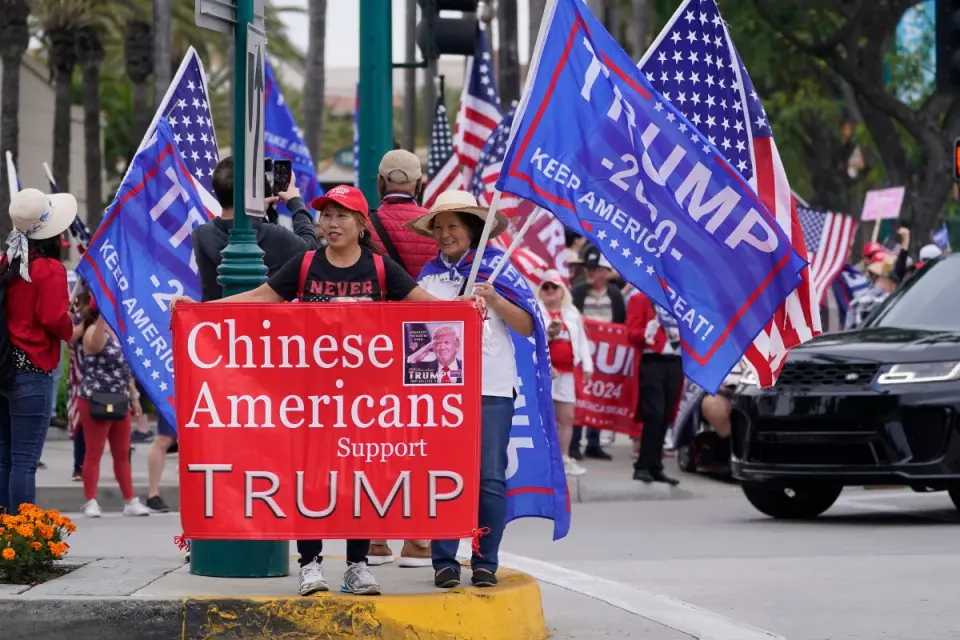
A new poll indicates that Asian American and Pacific Islander (AAPI) adults have significantly lost confidence in President Donald Trump and the Republican Party regarding economic management. This decline in trust aligns with broader trends showing the GOP facing its worst midterm performance in decades, driven by low approval ratings and economic concerns. The shift underscores a growing disconnect between the administration's economic promises, such as the 'Trump dividend,' and the lived experiences of this demographic.
Key points
- Polling data shows a notable drop in trust among AAPI adults toward Trump and Republicans on economic issues.
- This trend coincides with the Republican Party facing its worst midterm election prospects in the 21st century.
- Economic dissatisfaction is a primary driver of the GOP's declining support, alongside unpopularity over the Iran conflict.
- The shift in AAPI sentiment reflects broader voter fatigue with the administration's economic policies and campaign promises.
Background
This development follows a series of polls in September and October 2026 indicating that the Republican Party is facing its worst midterm election in decades. Previous reports highlighted President Trump's historically low approval ratings, a severe economic downturn, and unpopularity surrounding the Iran conflict as key factors. In late September, Trump pledged a $5,000 'dividend' to adults if the GOP retained control of Congress, a proposal estimated to cost over $1 trillion. By mid-October, despite a high-energy campaign tour, Democrats held an eight-point lead in generic ballot polls, with critics arguing that Trump's erratic behavior and dismissive comments were damaging the party's chances amid rising inflation.
Why it matters
The loss of trust among AAPI voters signals a critical shift in the political landscape for the 2026 midterms. As economic concerns dominate voter sentiment, the Republican Party's inability to maintain confidence in this demographic could further widen the gap with Democrats. This trend may influence the outcome of key swing states and the overall control of Congress, potentially impacting future policy directions and the administration's legislative agenda.
What to watch
With the November 3 midterms approaching, the focus will shift to how the Republican Party responds to this erosion of trust. Campaign strategies may need to adjust to address economic anxieties more directly, particularly among AAPI voters. Additionally, the effectiveness of Trump's 'dividend' promise and other economic initiatives will be closely monitored to see if they can reverse the current trend or if the party will continue to face significant losses in the upcoming elections.
Want the full story? Read the original reporting
Read on AP News