
Polls show Trump approval at second-term low as economic anxiety hits GOP
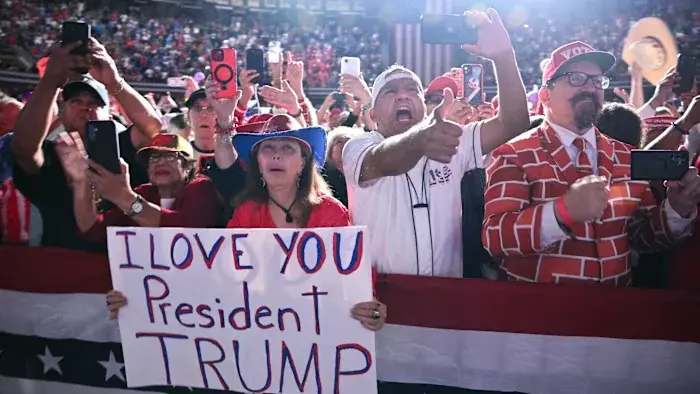
President Donald Trump faces a steep decline in popularity ahead of the November midterms, with new surveys showing his approval rating at historic lows. Voters express deep dissatisfaction with his handling of the economy, inflation, and the Iran conflict. While Republican party loyalty remains high among some base voters, enthusiasm for the party is waning, particularly among younger and Hispanic supporters, raising fears of significant losses in Congress.
Key points
- FT and Focaldata poll: 34% approval rating; 25% approve of economic handling; 20% approve of inflation management.
- Pew Research: 31% overall approval; 67% of 2024 Trump voters now approve, down from 95% at the start of his term.
- Economic data: US added only 29,000 jobs in September; diesel prices hit an all-time high of $6.53.
- Iran policy: Approval dropped over 7 points since May; 60%+ of voters want a quick deal rather than continued conflict.
- Partisan loyalty: 80% of 2024 Trump voters still intend to vote Republican, despite falling approval of the president.
Background
Recent archive entries from late September and early October 2026 noted growing frustration among Trump supporters regarding tariffs, gas prices, and the Iran conflict. A September poll indicated that 26% of Trump voters wanted Republicans to distance themselves from the president. The current data confirms a continued downward trend in approval, with the latest FT poll showing a 34% approval rating and Pew Research confirming a drop to 31%, marking the lowest point of his second term.
How outlets are covering it
The Financial Times emphasizes the disconnect between the president's personal approval and party loyalty, noting that while 45% of voters say Trump is hurting Republican candidates, 80% of his 2024 base still plan to vote for GOP nominees. Pew Research highlights the erosion of confidence in Trump's ability to manage the economy and foreign policy, noting that confidence in his economic decisions has dropped 10 points since April 2025. USA Today draws parallels to the 2018 midterms, citing pollster David Paleologos, who notes that Trump's current approval is significantly lower than the 44% he had in October 2018, when Republicans lost 41 House seats. All sources agree that economic concerns and the Iran conflict are primary drivers of voter dissatisfaction, but they differ on the extent to which party loyalty will buffer the president's declining popularity.
Why it matters
The midterm elections will determine control of Congress, and Trump's declining approval ratings suggest a high risk of Republican losses. The erosion of support within his own base, particularly among younger and Hispanic voters, could shift the balance of power in the House and Senate. Additionally, the economic fallout from the Iran conflict, including rising borrowing costs and fuel prices, may continue to drive voter dissatisfaction and influence the outcome of key battleground races.
What to watch
Republicans are expected to shift campaign resources toward competitive races, potentially pulling money from states like North Carolina to focus on Kansas. The next few weeks will be critical for the GOP to address voter concerns about the cost of living and the Iran conflict. Trump's ability to rally his base and counter negative polling will be a key factor in determining the outcome of the midterms. Further polls and economic data will likely emerge in the coming weeks, providing more insight into voter sentiment and the potential impact on the election.
- Trump is failing to arrest decline in popularity, FT poll shows Financial Times
- 'The Trump factor is the backdrop': What the President's LOW approval means for Republicans Yahoo
- Trump’s Approval Rating Drops as Fewer Americans Are Confident in His Handling of the Economy, Other Issues Pew Research Center
- Trump approval sinks to 30 percent in new survey The Hill
- New polls raise alarms for Trump, Republicans USA Today
Want the full story? Read the original reporting
Read on Financial Times