
Providence Mayor Smiley’s Rent Control Veto Doomed His Reelection Bid
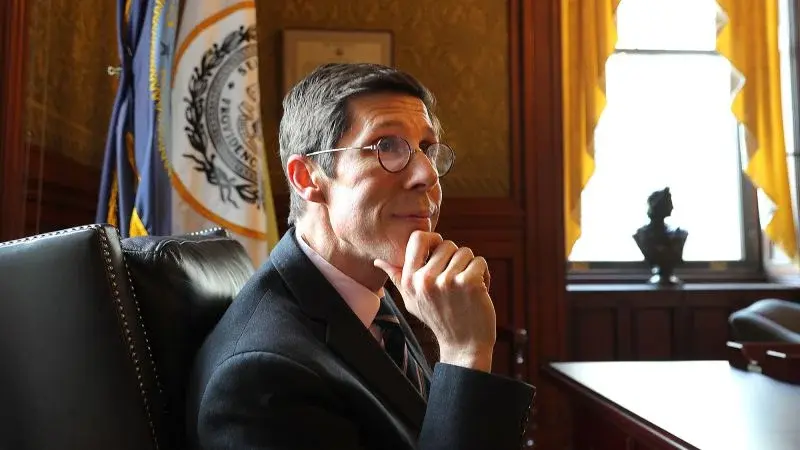
Providence Mayor Brett Smiley lost his re-election bid after vetoing a rent control bill, a move that alienated progressive voters despite his successful push for new housing construction. His opponent, David Morales, a Democratic Socialist, is poised to win the general election and implement the policy. Smiley stands by his decision, arguing that rent control harms long-term affordability and deters developers, even as he acknowledges the political cost of his stance.
Key points
- Smiley vetoed a city council bill in April that would have capped annual rent hikes at 4%, citing concerns that it would reduce new housing supply.
- The veto cost Smiley the primary election in September; he became the first Providence mayor to lose in a primary, falling to 27-year-old state lawmaker David Morales.
- Morales, a member of the Democratic Socialists of America, pledged to sign rent control into law within his first 100 days, calling Smiley's veto 'absolutely shameful.'
- Providence added more apartments in the latest fiscal year than in any year in two decades, with 40% designated as affordable, a result of Smiley's zoning reforms.
- Median rents in Providence have risen 40% since 2020, and the city was ranked last year as the least affordable metro area for renters.
Background
This election mirrors broader national trends where mayors face intense pressure over housing costs, as seen in recent races in Los Angeles and San Francisco. While some cities like Portland have maintained construction despite rent caps, others like St. Paul have seen new construction plunge, leading to policy reversals. Smiley’s strategy focused on increasing supply through zoning changes, a 'Yes in My Backyard' approach that contrasted with the immediate relief sought by voters through rent control.
Why it matters
The outcome highlights a deepening divide in progressive politics between immediate rent relief and long-term supply-side solutions. Smiley’s defeat suggests that voters in high-cost cities may prioritize short-term stability over structural housing reforms, potentially influencing similar debates in other major urban centers facing affordability crises.
What to watch
David Morales is expected to win the general election next month and will likely sign the rent control bill into law within his first 100 days in office. Smiley has stated he will not endorse Morales and remains critical of the Democratic Socialists of America's influence within the Democratic Party.
Want the full story? Read the original reporting
Read on CNN