
Puerto Ricans Cite Tax Fears and Cultural Erosion in Rejection of Statehood
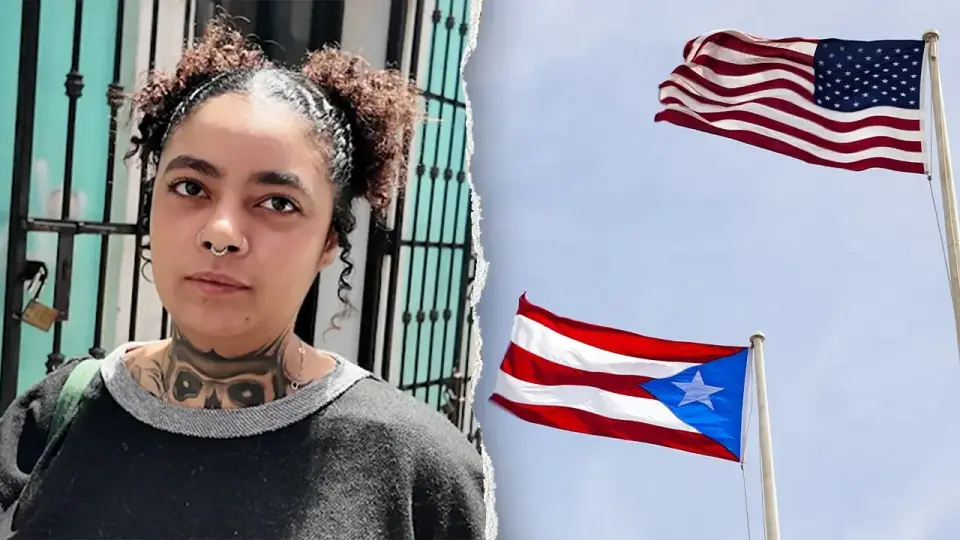
Residents of Puerto Rico expressed strong opposition to becoming the 51st U.S. state, citing fears of increased taxes, economic instability, and the loss of cultural identity. While the island's governor supports statehood to achieve federal equality, many locals argue that current federal funding dependencies and low wages make statehood unviable. A 2024 nonbinding referendum showed 59% support for statehood, but recent interviews suggest significant grassroots resistance due to concerns about 'Americanization' and the political climate under President Donald Trump.
Key points
- Fox News Digital interviewed several residents in San Juan who opposed statehood, fearing it would spike taxes and worsen the local economy.
- Critics argue that Puerto Rico’s current federal tax structure is preferable to the full federal tax system that statehood would impose.
- Residents expressed concern that statehood would accelerate 'Americanization' and erode the island's unique cultural identity.
- Puerto Rico Governor Jenniffer González Colón, a pro-statehood ally of President Trump, argues that statehood is necessary for equality in federal programs.
- A November 2024 nonbinding referendum showed 59% of voters favored statehood, 29% favored independence, and 12% favored associated independence.
- Some residents prefer independence but acknowledge the island is not yet economically ready due to reliance on federal funding.
Background
The debate over Puerto Rico's political status has intensified in 2026, following Kamala Harris's 2028 platform proposal to push for statehood for Puerto Rico and Washington, D.C. The island has been a U.S. territory since 1898, and while a 2024 referendum indicated majority support for statehood, recent grassroots sentiment suggests a shift in public opinion due to economic anxieties and cultural preservation concerns.
Why it matters
The opposition to statehood highlights the complex relationship between Puerto Rico and the U.S. federal government, where economic dependencies and cultural identity create a polarized debate. If statehood is pursued, it could lead to significant changes in taxation and federal funding, potentially impacting the island's economy and social fabric. The resistance also reflects broader concerns about cultural erosion and the political implications of aligning with the current U.S. administration.
What to watch
The statehood debate will likely continue to be a focal point in U.S. politics, especially as the 2028 election approaches. The outcome of future referendums or congressional actions could determine whether Puerto Rico moves toward statehood, independence, or maintains its current territorial status. The economic and cultural implications of any change will be closely monitored by both residents and federal policymakers.
Want the full story? Read the original reporting
Read on Fox News