
Record Early Voting Signals Deep Dissatisfaction with Trump Ahead of Midterms
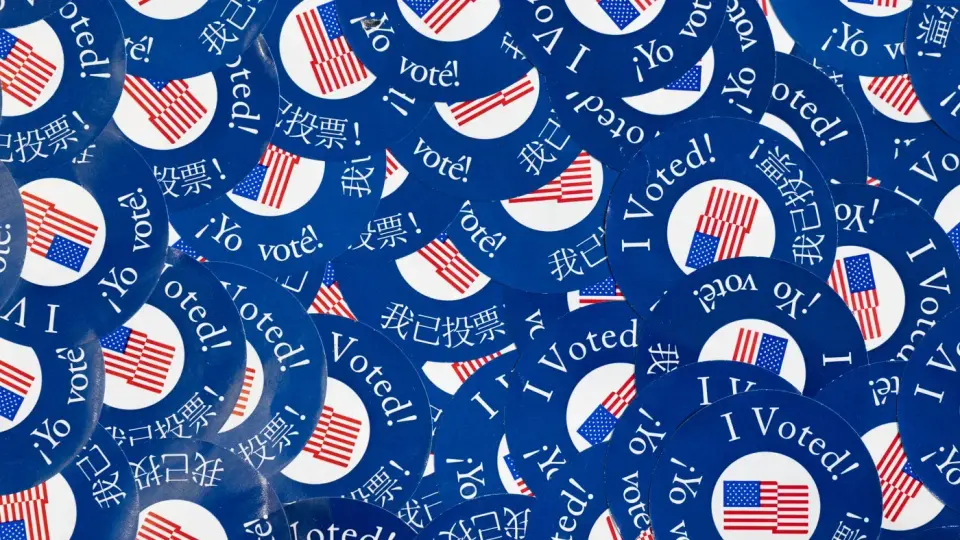
American voters are casting ballots at record rates ahead of the November 3 midterms, with early turnout exceeding 50 million. Democrats are outpacing Republicans significantly, particularly in competitive Senate states like Texas, Kansas, and Maine. This surge reflects widespread dissatisfaction with President Trump’s second term, driven by persistent inflation and foreign policy failures. While Republicans risk losing their House majority, the Senate remains a tight contest, with the outcome hinging on turnout in deep-red states. Analysts view this as a referendum on the president’s personalized leadership style and economic performance.
Key points
- Over 50 million Americans have voted early, surpassing 2022 records by nearly 10 million.
- Democrats have cast approximately 43% of early votes compared to 31% for Republicans.
- Texas saw a 50% increase in early votes, with over 6.3 million cast in the state.
- Trump’s approval rating has dropped to 37%, breaking below the 40% threshold often linked to midterm losses.
- The Senate race remains too close to call, with seven key states determining control of the chamber.
Background
This election follows a period of heightened political polarization and economic strain. Previous coverage noted that Democrats were gaining ground in traditionally red states, with the Cook Political Report identifying seven toss-up races that could decide Senate control. The 2026 cycle also serves as a precursor to the 2028 presidential race, with figures like Pete Buttigieg testing their viability in battleground states. Additionally, concerns over election integrity and mail-in voting procedures have been prominent, with the Supreme Court recently rejecting attempts to impose federal restrictions on mail ballots.
How outlets are covering it
NPR emphasizes the personalization of the presidency, noting that Trump’s high visibility and unfulfilled promises have turned the midterms into a direct referendum on his leadership. The outlet highlights the risk to democratic faith if results are disputed. The Guardian focuses on the demographic divide, pointing out that Democrats are mobilizing at a much higher rate than Republicans, suggesting a strong anti-Trump sentiment. AP News provides granular data on state-level surges, particularly in Texas and South Carolina, where early voting has increased by 50% and 83% respectively. Al Jazeera contextualizes the surge within broader economic anxieties, linking voter behavior to tariff policies and the cost-of-living crisis, while also noting the role of social media in driving engagement among younger voters.
Why it matters
The outcome of these midterms will determine the balance of power in Congress for the next two years, potentially shaping the trajectory of US domestic and foreign policy. A significant Democratic victory could lead to increased scrutiny of the executive branch, while a narrow Republican hold might embolden the current administration. The high level of early voting indicates a electorate that is deeply engaged and potentially disillusioned with the status quo, which could have lasting implications for the 2028 presidential cycle and the stability of democratic institutions.
What to watch
Election Day is scheduled for November 3, 2026. The final results will determine which party controls the House and Senate. In the Senate, the outcome will depend on the performance in seven competitive states, including Texas, Kansas, and Maine. If Democrats win both chambers, they may face internal divisions between moderate and progressive factions. If Republicans retain control, they may face increased pressure from a dissatisfied base. The results will also influence the 2028 presidential race, with early signals of voter sentiment potentially shaping the next generation of candidates.
- The midterms will test the nation’s political direction and confidence NPR
- Three key takeaways from early voting in midterm elections The Guardian
- Early voting jumps across Senate battlegrounds as millions more Americans vote ahead of Election Day AP News
- More than 50 million votes cast in US midterm elections: What does it mean? Al Jazeera
- 🗳️ 👻 Early vote is spooky for GOP — but not fatal Decision Desk HQ | Substack
Want the full story? Read the original reporting
Read on NPR