
Rural Economic Pain Frays Republican Coalition Ahead of Midterms
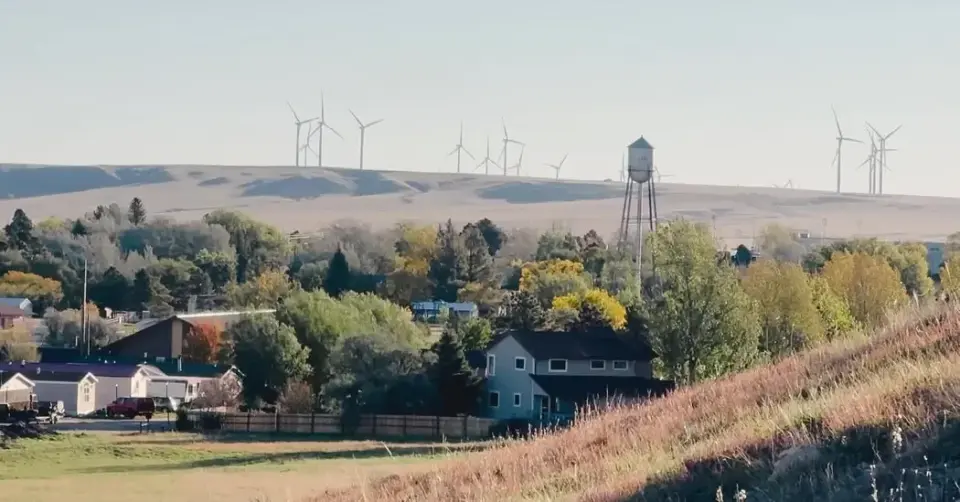
Rural voters, a core part of Donald Trump’s coalition, are increasingly disillusioned by rising costs linked to tariffs and the Iran war. This economic discontent is threatening Republican control of the Senate and House in traditionally conservative districts.
Key points
- Farmers report 40% increases in diesel and fertilizer costs, with some equipment prices tripling due to tariffs and supply chain disruptions.
- The administration’s decision to import 300,000 metric tons of duty-free foreign beef has tanked cattle markets, causing significant financial losses for ranchers.
- The Nebraska Farmers Union reports a 46% increase in farm bankruptcies this year, citing policy decisions as a 'man-made economic crisis.'
- Polls show 57% of rural voters disapprove of Trump’s economic handling, and his rural approval rating has dropped to 50%, a historic low.
- Republicans risk losing the House and key Senate seats, including in Nebraska, where Senator Pete Ricketts faces a competitive race despite Trump’s 2024 victory margin.
Background
This shift follows a broader trend of economic dissatisfaction among rural voters. In October, the Cook Political Report moved 11 House races toward Democrats in GOP strongholds like Kansas and Ohio. Earlier in the month, former Kansas Governor Mike Hayden endorsed a Democrat, citing economic hardship. Trump’s overall approval rating hit a historic low of 37% in late September, mirroring the 2006 election cycle where economic discontent fueled a Democratic sweep.
How outlets are covering it
The New York Times emphasizes the broadening electoral battlefield and the fraying bond between Trump and rural voters. ABC News highlights the personal stories of farmers like Scott Thomsen, who may abstain from voting, and notes the risk to the Senate majority. BBC provides granular detail on the beef market collapse and the impact of the Iran war on fuel prices, while also noting that some farmers remain loyal to Trump despite economic pain. UA.NEWS summarizes the statistical decline in rural approval and the competitive nature of the Nebraska Senate race. All sources agree that economic factors, specifically tariffs and the Iran conflict, are driving the discontent, but they differ on the degree of voter defection, with some noting continued loyalty to the party despite dissatisfaction with the president.
Why it matters
The erosion of rural support threatens the Republican Party’s ability to maintain its legislative majority. If Democrats gain control of the House or key Senate seats, it could limit the administration’s policy agenda and signal a broader shift in the political landscape. The economic pain felt by farmers, a traditionally conservative bloc, could have long-term implications for the party’s future electoral strategy and its relationship with rural America.
What to watch
The November 3 midterm elections will be a critical test for the Republican Party’s ability to mobilize its base. Trump’s campaign blitz, including rallies in states like Nebraska and Texas, aims to counter the economic narrative. The outcome of these races will determine whether Democrats can capitalize on rural discontent or if Republicans can retain their legislative power despite the economic strain.
- Across Farm Country, Economic Discontent Strains Republican Coalition The New York Times
- Trump policies come home to roost as farmers turn backs ahead of midterms ABC News & Headlines – Australian Broadcasting Corporation
- American ranchers wrestle with soaring costs - and their loyalty to Trump BBC
- Texas farmers are worried about the economy. Will they still vote Republican? Houston Chronicle
- Some Nebraska farmers have lost trust in President Trump — ABC News Australia UA.NEWS
Want the full story? Read the original reporting
Read on The New York Times