
Senate Approves BAAJA Permitting Overhaul, Splitting Democrats on Energy and Environmental Trade-offs
The US Senate passed the Bipartisan American Affordability and Jobs Act (BAAJA) by a 62-33 vote, a sweeping measure to accelerate federal permitting for energy, infrastructure, and data center projects. The bill, which now moves to the House, significantly amends environmental statutes to shorten review timelines and limit judicial challenges. While proponents argue it will lower energy costs and expand grid capacity, critics warn it guts protections under the Clean Water Act and Endangered Species Act, favoring fossil fuel expansion over renewable energy.
Key points
- The Senate approved the BAAJA with a 62-33 vote, marking the first major energy legislation since 2022.
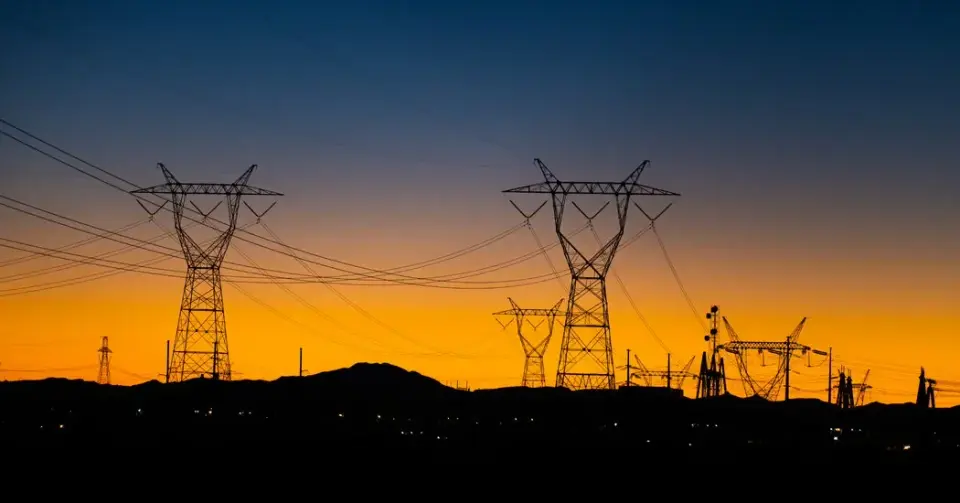
- The bill streamlines permitting for power lines, wind/solar farms, gas plants, and broadband by imposing tighter deadlines on environmental reviews.
- Democratic support was fractured: 15 Democrats voted yes, while 31 voted no, citing concerns over weakened environmental protections and tribal rights.
- The legislation includes 'project certainty' provisions that restrict future legal challenges to fossil fuel projects approved by the current administration.
- The bill now faces an uncertain path in the House, where Democratic leaders have threatened to block it without changes to grid reliability and environmental review provisions.
Background
The BAAJA follows years of stalled negotiations on federal permitting reform, with a procedural hurdle cleared in mid-November 2026. The bill emerged amid rising energy prices and growing demand for AI-driven data centers, which require substantial electricity. Previous attempts to streamline permitting had failed due to disagreements over environmental safeguards and the balance between fossil fuel and renewable energy interests.
How outlets are covering it
Supporters, including Senate Majority Leader John Thune and Sen. Martin Heinrich, framed the bill as essential for lowering energy costs and addressing affordability. They emphasized its potential to expand clean energy capacity and modernize the grid. Opponents, such as Sen. Jeff Merkley and the Natural Resources Defense Council, argued the bill weakens core environmental protections and favors fossil fuel companies and data center developers. The Center for Biological Diversity condemned the vote as a 'catastrophe,' claiming it undermines the Endangered Species Act and Clean Water Act. The Democratic split highlighted deep divisions within the party, with some members prioritizing economic growth and others focusing on environmental justice and climate goals.
Why it matters
The BAAJA represents a significant shift in US environmental and energy policy, potentially reshaping the regulatory landscape for decades. Its passage could accelerate infrastructure development but also raise concerns about long-term environmental impacts and the balance between economic growth and sustainability. The bill's fate in the House will determine whether these changes become law, influencing future energy costs, grid capacity, and environmental protections.
What to watch
The bill now moves to the House, where Republican leaders aim to pass it before the lame-duck session ends. Democratic opposition and procedural hurdles may delay or alter the legislation. President Trump has expressed support for the deal, but the bill's final outcome depends on House negotiations and potential amendments. If passed, the BAAJA could reshape federal permitting processes and energy policy for years to come.
- Senate Passes Major Permitting Bill to Speed Up Energy Projects The New York Times
- Senate passes BAAJA permitting reform bill backed by AI, energy sectors CNBC
- Senate passes bipartisan permitting reform bill designed to boost energy projects CBS News
- Senate Democrats Greenlight Environmental Catastrophe By Advancing Permitting Reform Center for Biological Diversity
- Senate passes Trump-backed permitting bill Axios
Want the full story? Read the original reporting
Read on The New York Times